
How to Renegotiate Your House Price After a Wall Tie Survey
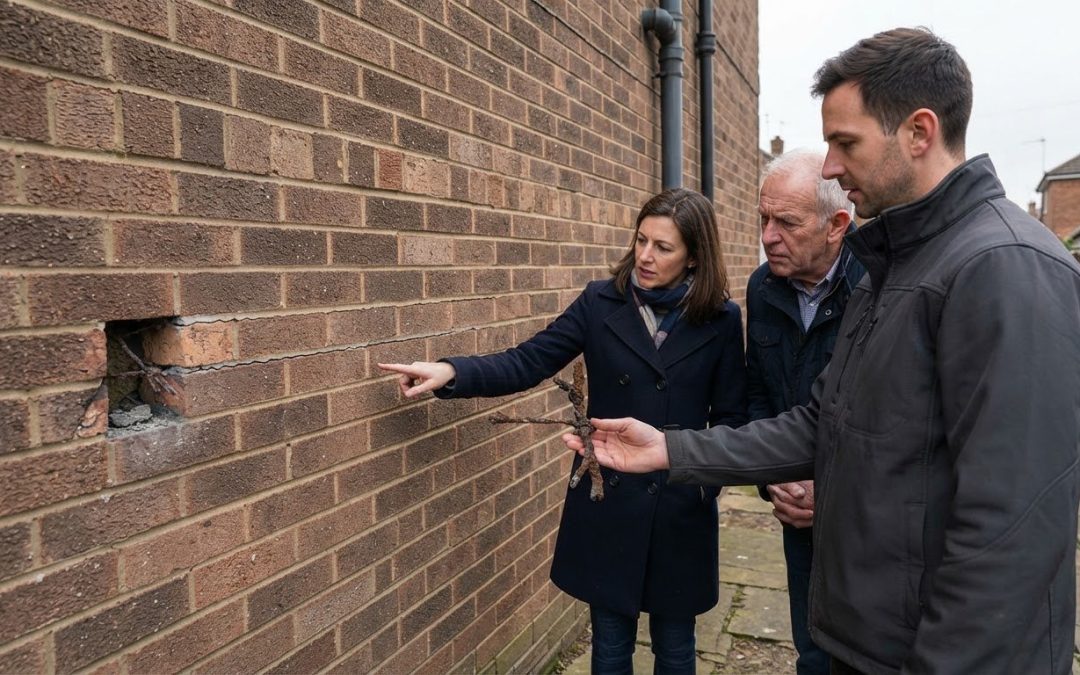
There’s no set reduction when renegotiating the house price after a wall tie survey. You can ask the seller to lower the price or complete specified repairs, but they may refuse. A specialist report and written repair estimates can help you explain the issue and...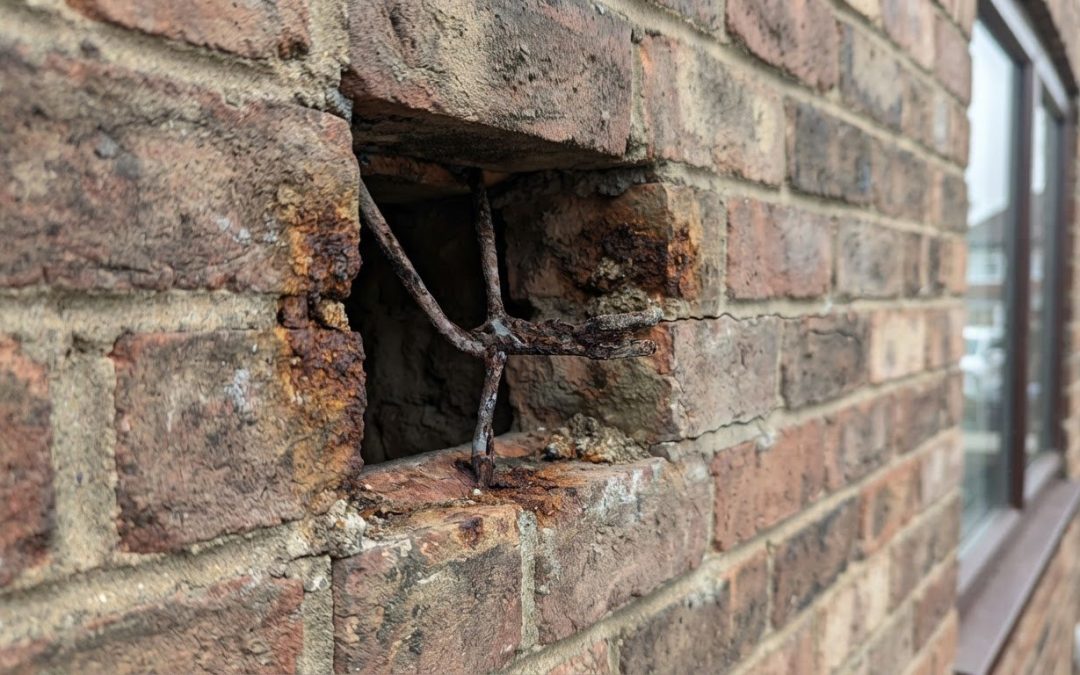
Wall tie failure risks: who is at risk and what to watch for
A wall can look sound while its ties are failing. Homes built before the mid-1980s are especially at risk because their wall ties may be prone to corrosion. Explaining the risks of ignoring wall tie failure to your family starts with knowing that corroded ties can...
Communal wall tie work: how to get co-expertholders on board
A wall tie problem affects the building, so decisions about communal work should focus on the condition of the shared structure, not just one flat. Getting buy-in from co-expertholders for communal wall tie work is easier when everyone can see what has been found, why...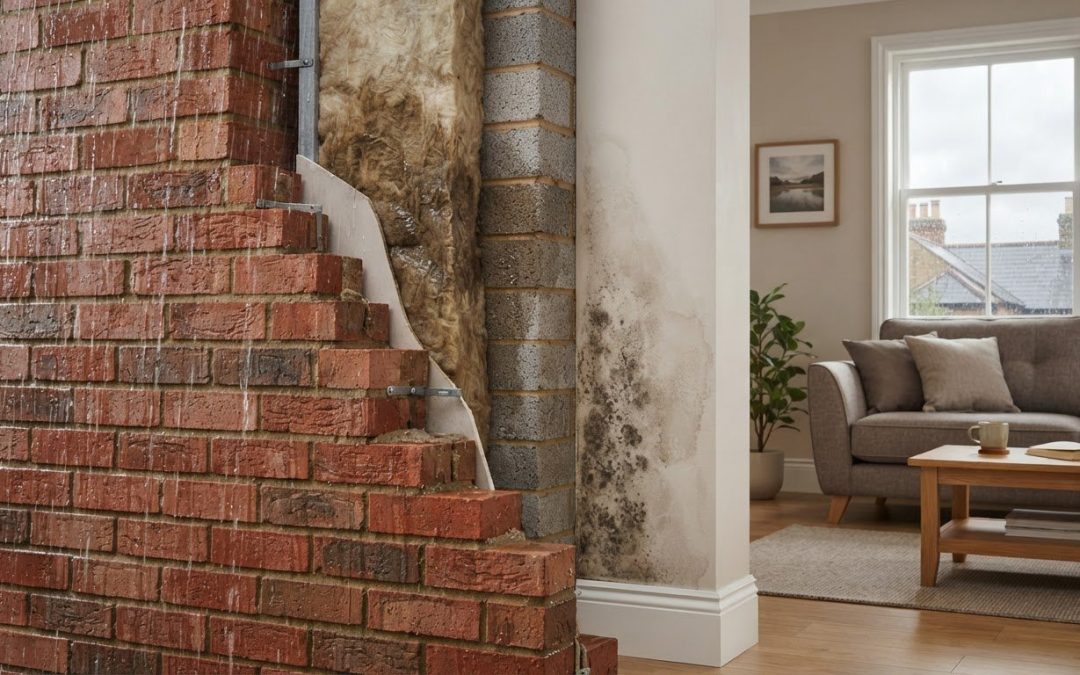
Can Wet Cavity Insulation Cause Mould? Causes and Signs
Yes, wet cavity insulation can cause mould if moisture passes through the wall and reaches internal surfaces. Wind-driven rain can penetrate exposed brickwork, and fully filling cavities in high-exposure zones can increase the risk of rain penetration. Insulation is...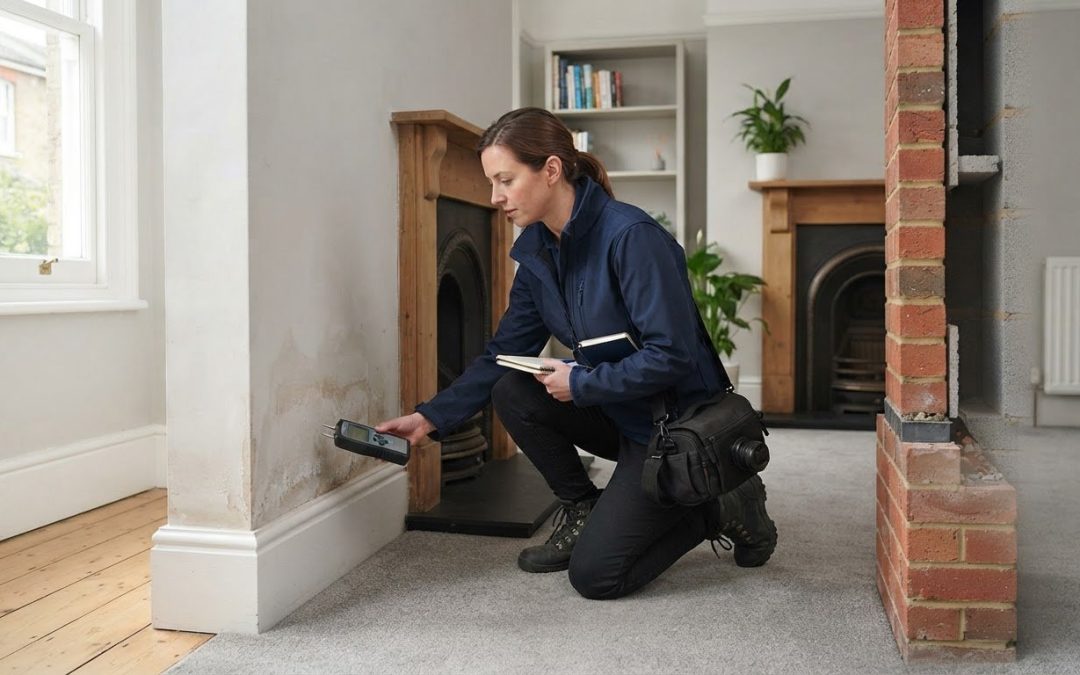
How to Fix Damp and Check If Your Home Can Be Mortgaged
Damp does not automatically make a home unmortgageable. If you’re wondering whether fixing damp will stop your home from being unmortgageable, addressing the underlying cause and repairing any damage can help, but it does not guarantee mortgage approval. The...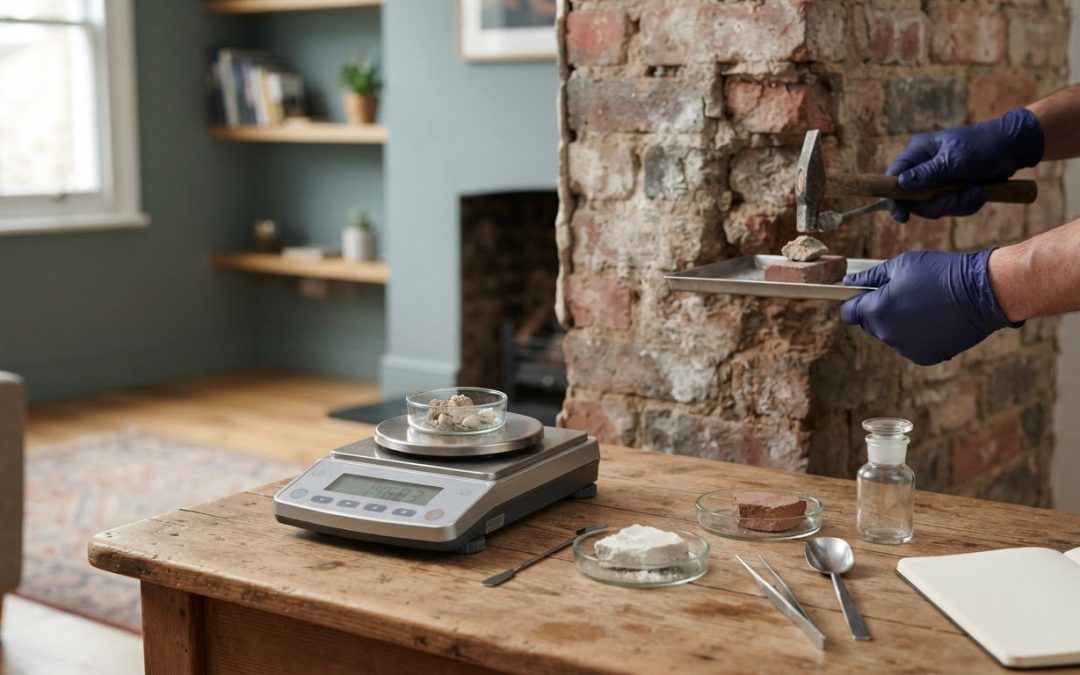
Gravimetric Damp Testing: Is the Wall Damp or Plaster?
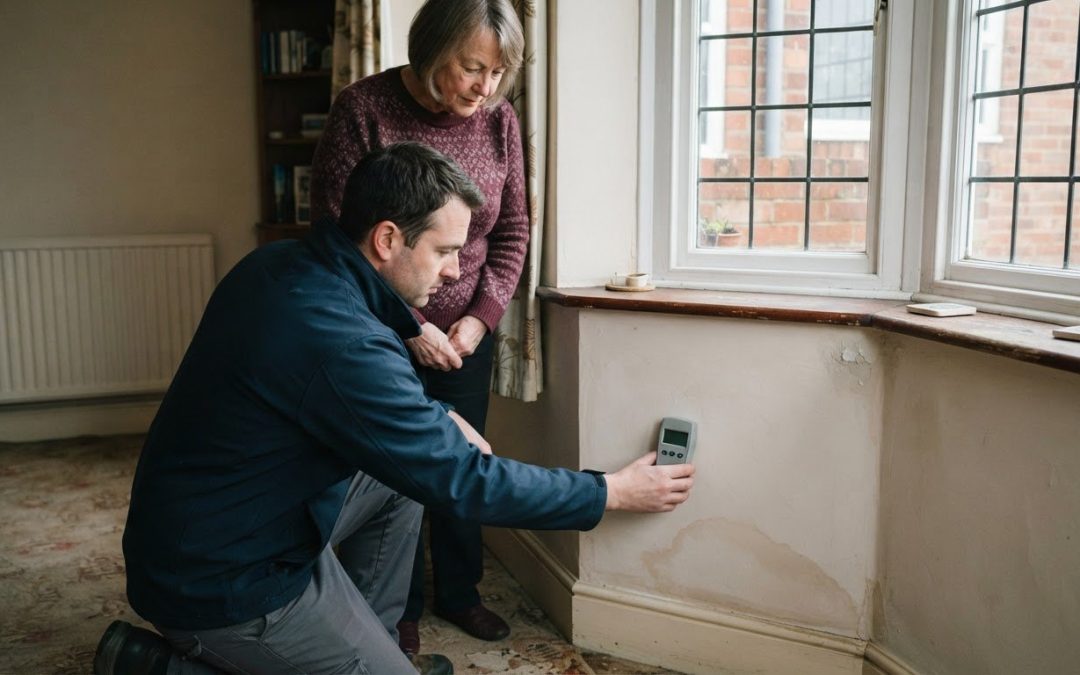
A damp meter reading doesn’t prove that the wall itself is wet. Gravimetric testing for damp, explained for homeowners, means weighing samples of plaster and masonry to compare their moisture content; the samples are also assessed against a 75% relative humidity...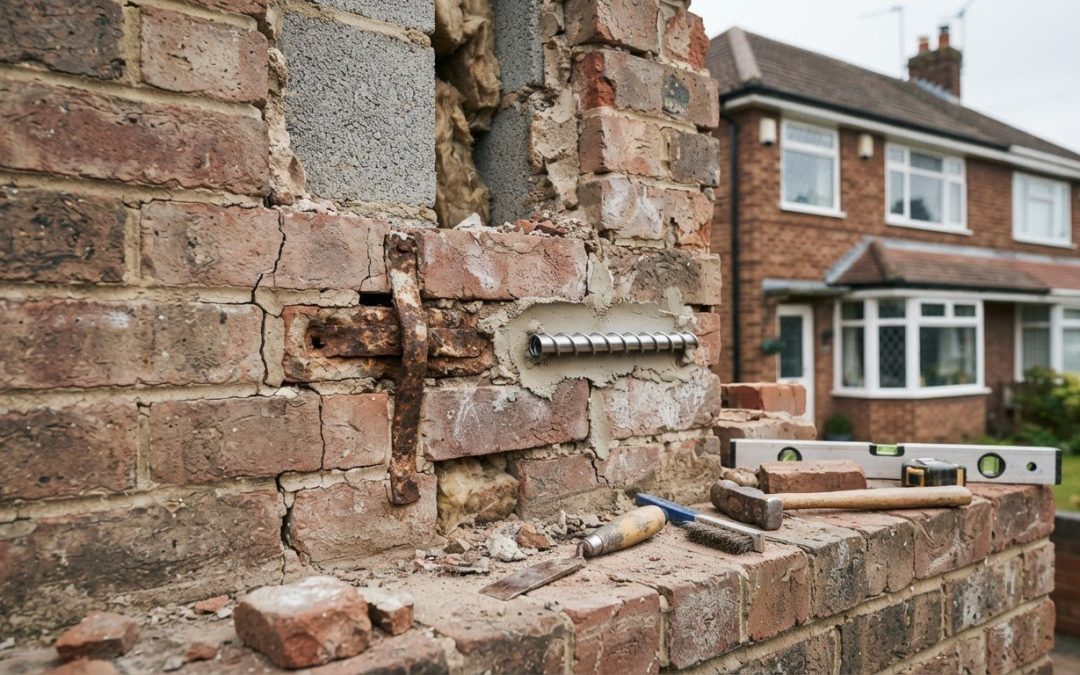
Recent Comments