
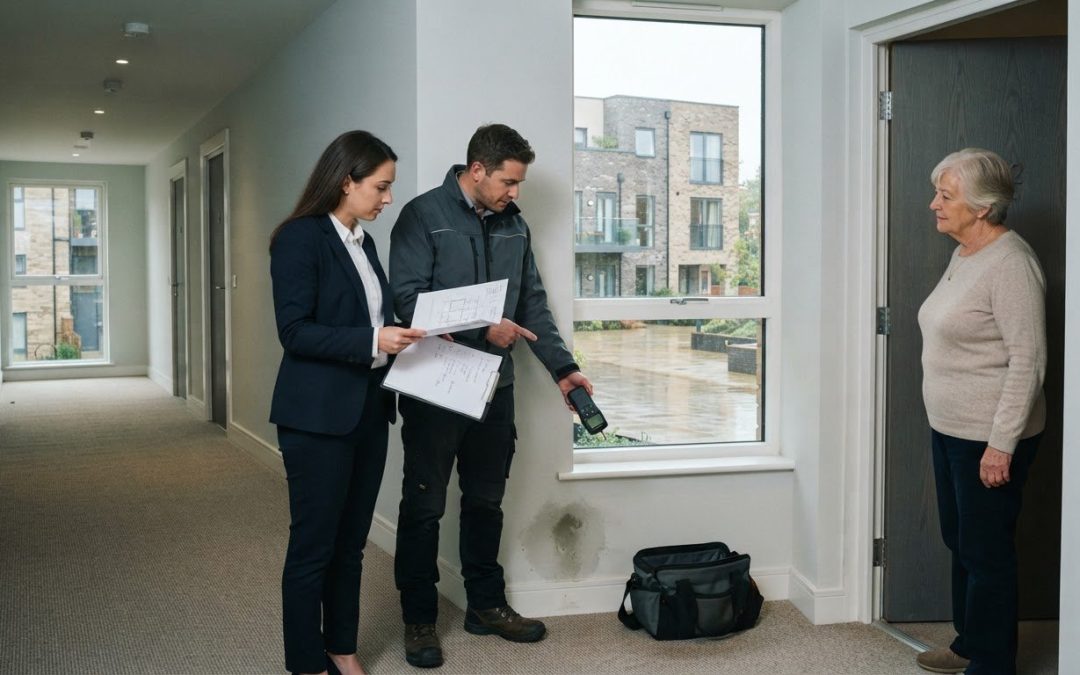
Managing Agents’ Responsibility for Damp: A Guide
A damp patch in one flat may point to a local issue, or it may indicate a fault affecting the wider building. The managing agent’s responsibility for damp in apartment blocks is therefore best approached as a process of coordination, not guesswork. Residents...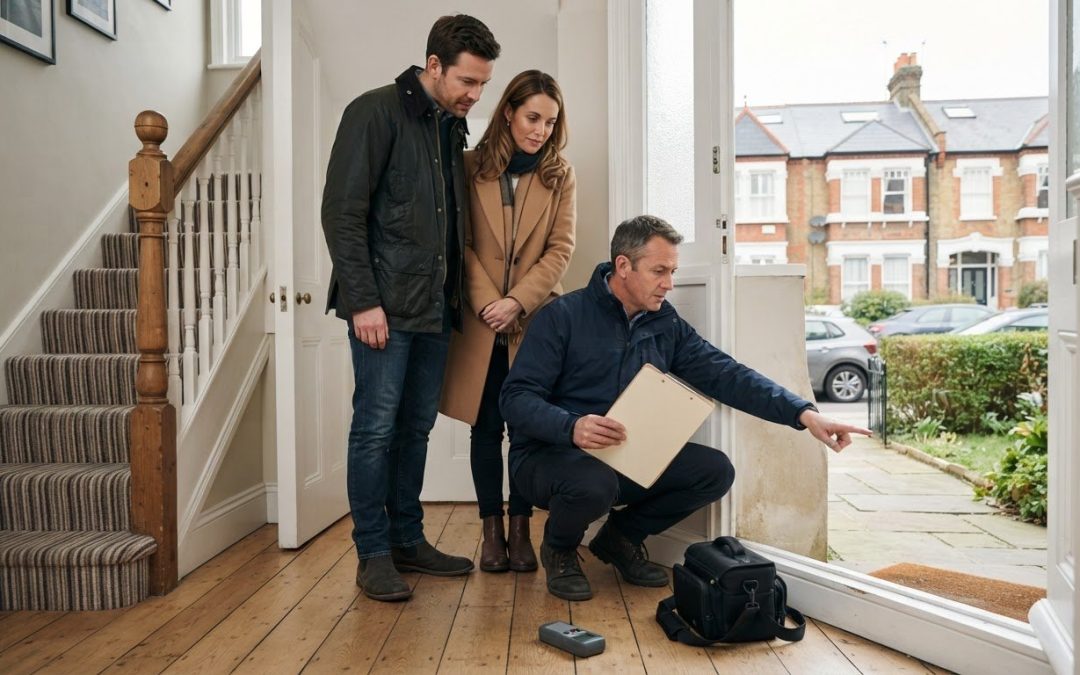
Negotiating House Price After a Damp Report: A Practical Buyer’s Guide
A damp report can identify a concern without confirming its cause or full extent. That distinction matters when you’re negotiating house price after damp report findings: asking for a reduction before the issue is properly understood could leave you negotiating on...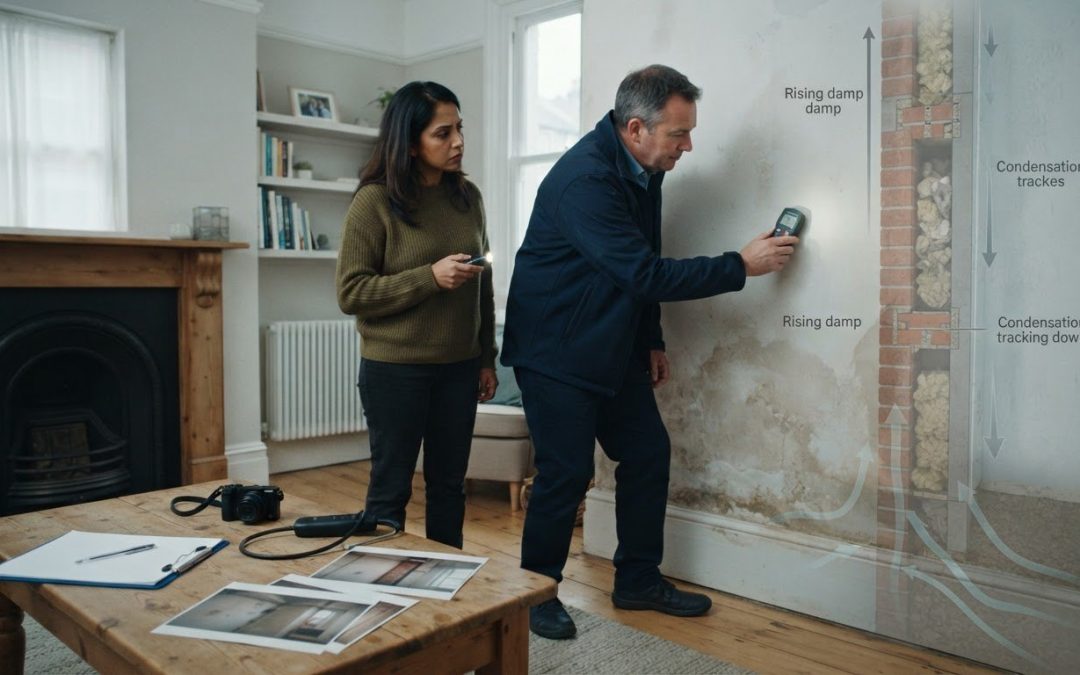
Damp Proofing Gone Wrong: Assessment and Next Steps
What if damp returning after remedial work points to a different moisture source, rather than proving the original treatment failed? It is understandable to feel frustrated when staining, mould or a musty smell persists, especially when the cause is still unclear....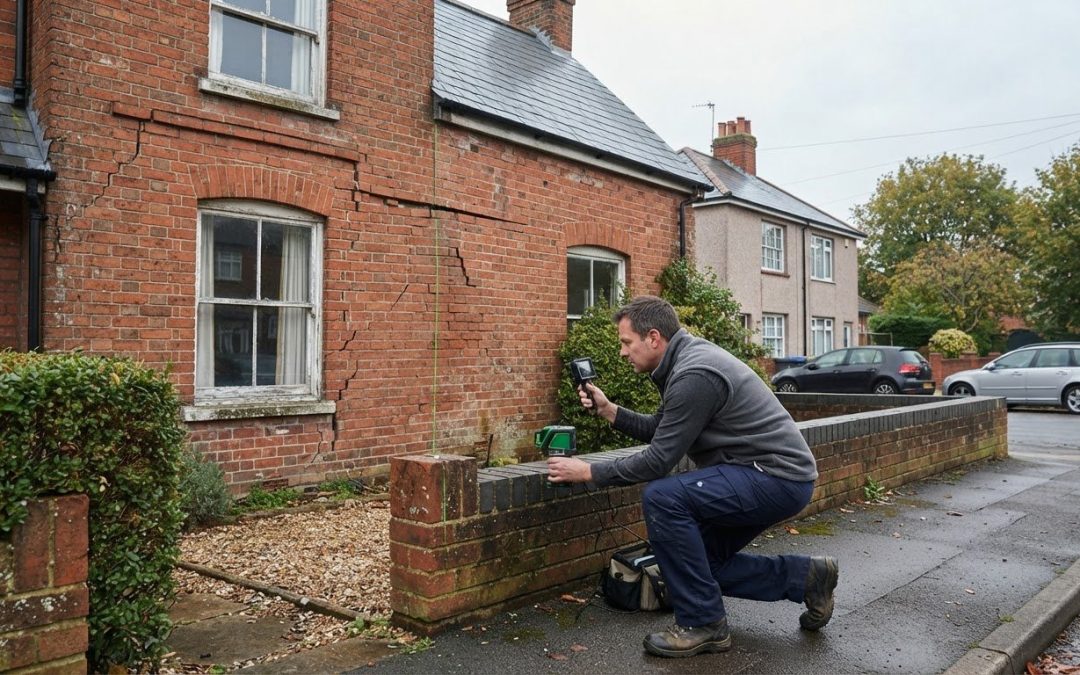
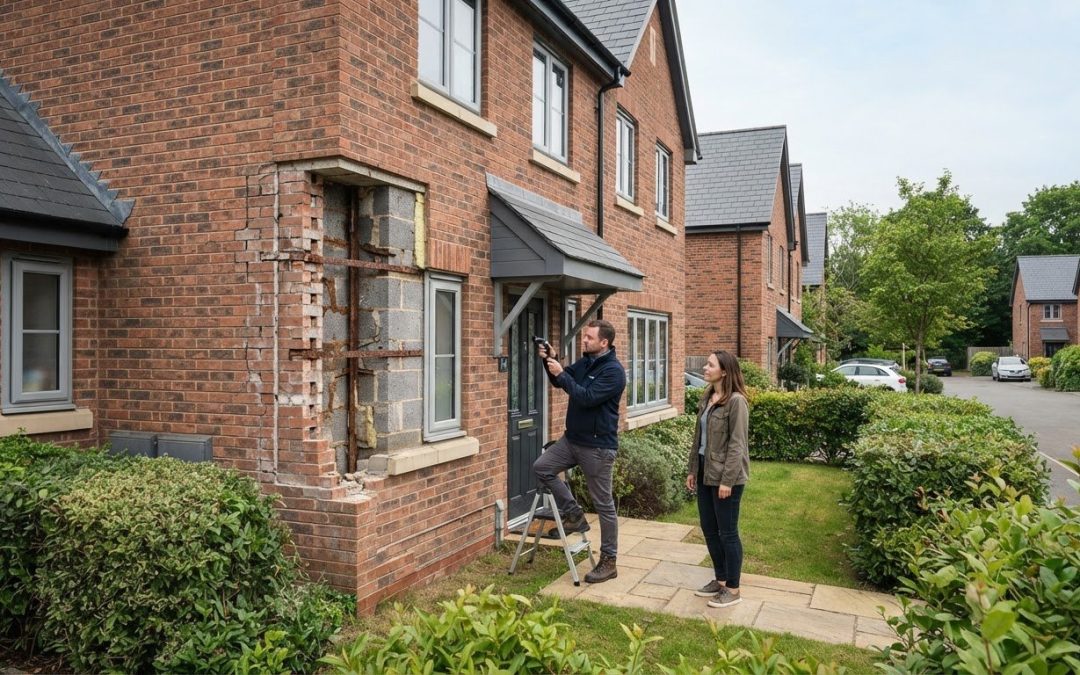
Long-term damage caused by ignoring bulging brickwork
Could a wall that has looked unchanged for months still be moving? The long-term damage caused by ignoring bulging brickwork can include widening cracks, water ingress and damage to internal finishes. However, a bulge alone cannot show what is causing it or whether...
Selling a House with Damp in the UK: What to Record and Prepare
A damp mark on a wall can look alarming, but it doesn’t always reveal what caused it or whether the problem is still active. If you’re preparing to sell your UK home, separate what you’ve observed from what a professional inspection has confirmed.It’s understandable...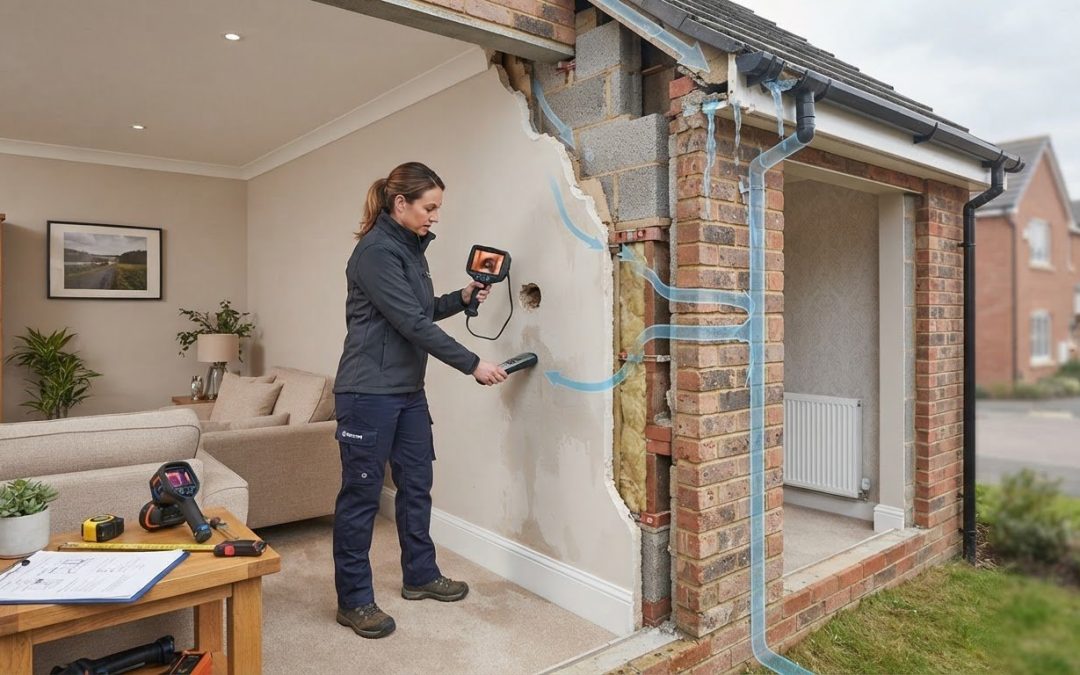
Neighbour-Related Damp: How to Find the Cause and Protect Your Home
If you’re searching “my neighbour’s property is causing damp in my home what are my rights”, first establish where the moisture is coming from. A visible defect next door may look like the obvious cause, but appearance alone cannot show whether water is crossing...
Recent Comments