


Preparing a House with Damp for Sale: Repair Costs and Repairs
A history of damp does not mean every mark needs repairing before a sale. Preparing a house with a history of damp for sale starts with finding out whether moisture is still present, what is causing it and which repairs would address the cause rather than just cover...
Damp in a Leasehold Flat: Who Is Responsible for Repairs
Damp in a leasehold flat isn’t automatically the landlord’s responsibility. Who is responsible for damp in a leasehold flat depends on its cause and which person or organisation maintains the affected part of the building. A leak from a shared roof or external wall...
Presenting an independent damp report and understanding who should arrange repairs
Damp and mould aren’t automatically a tenant’s fault. In England, landlords are responsible for fixing structural problems and faulty installations that cause damp, while condensation shouldn’t be assumed to be the cause without investigation. Presenting an...
Can you get a mortgage with damp? What lenders check
Damp does not automatically prevent a mortgage. You can get a mortgage on a house with damp issues, but a lender may ask for more information if the problem appears serious, such as a damp and timber report, before deciding how to proceed.Visible staining or a musty...
Can You Add Damp Proofing Costs to a Remortgage?
A remortgage can sometimes cover damp-proofing work if you have sufficient equity and the lender approves the extra borrowing. Whether you can add the cost of damp proofing to a remortgage depends on the lender’s assessment of your finances and property. The...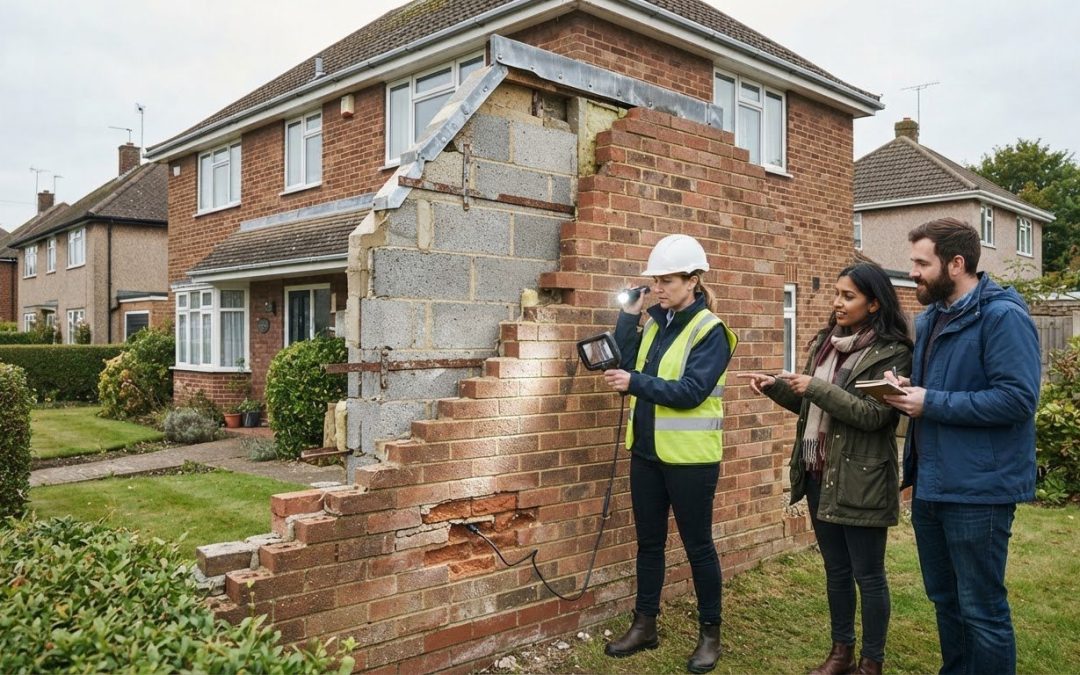
Wall tie issues flagged on a homebuyer survey: what to do next
A warning about wall tie issues flagged on a homebuyer survey is a reason to investigate, not proof that the wall is failing. Wall ties connect the inner and outer masonry leaves of a cavity wall. Corrosion or failure can contribute to cracking and outward movement,...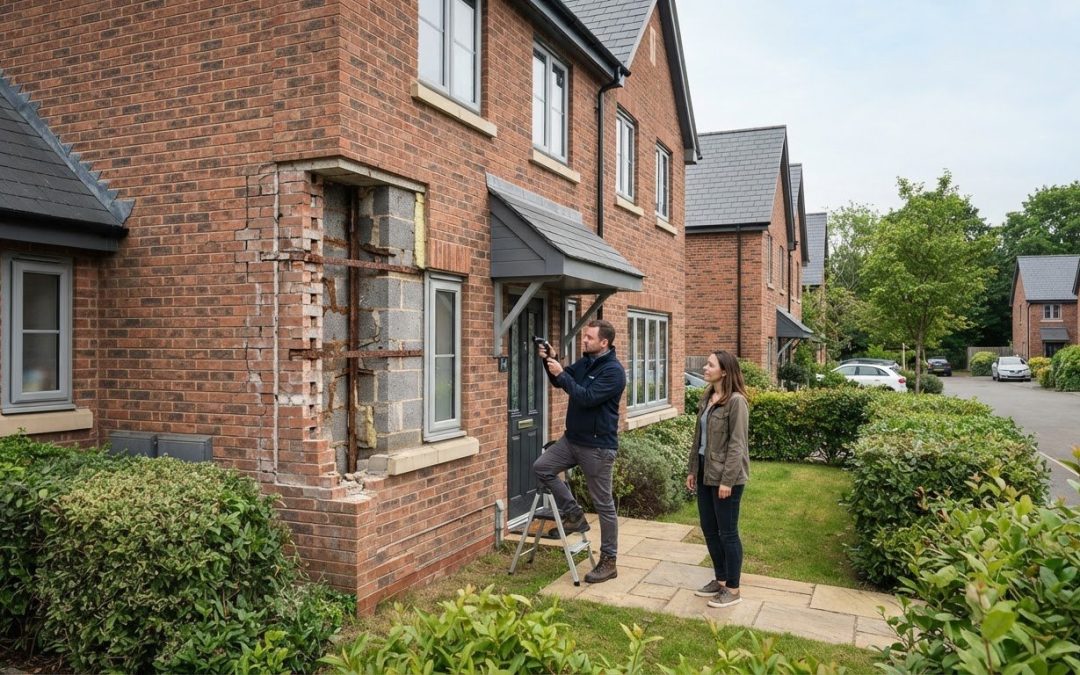
Recent Comments