
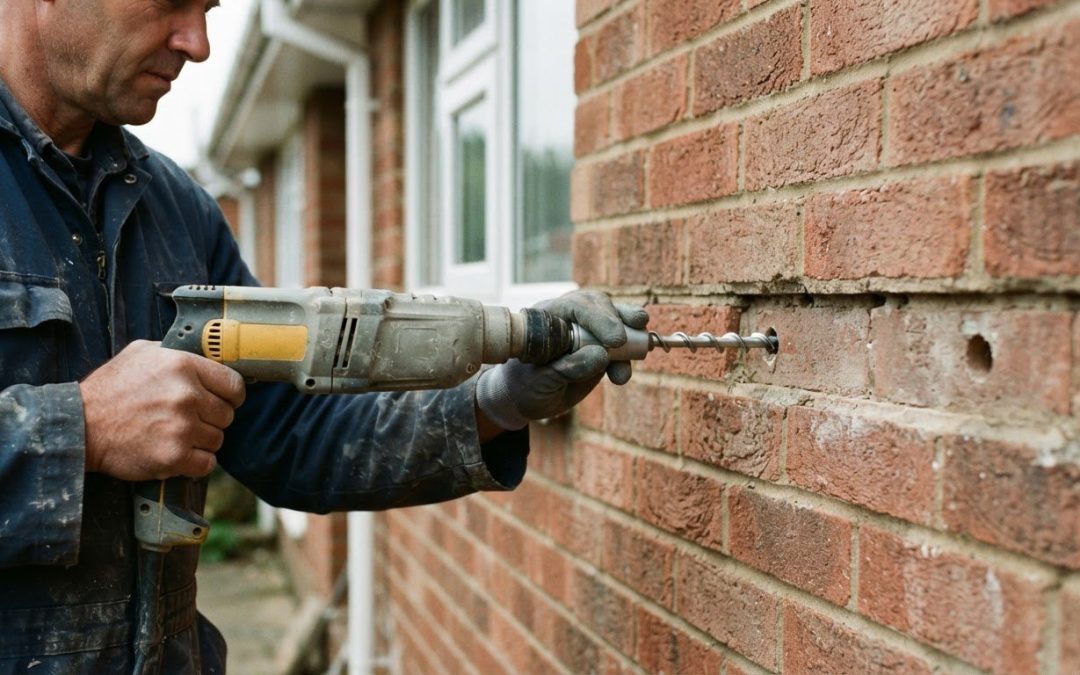
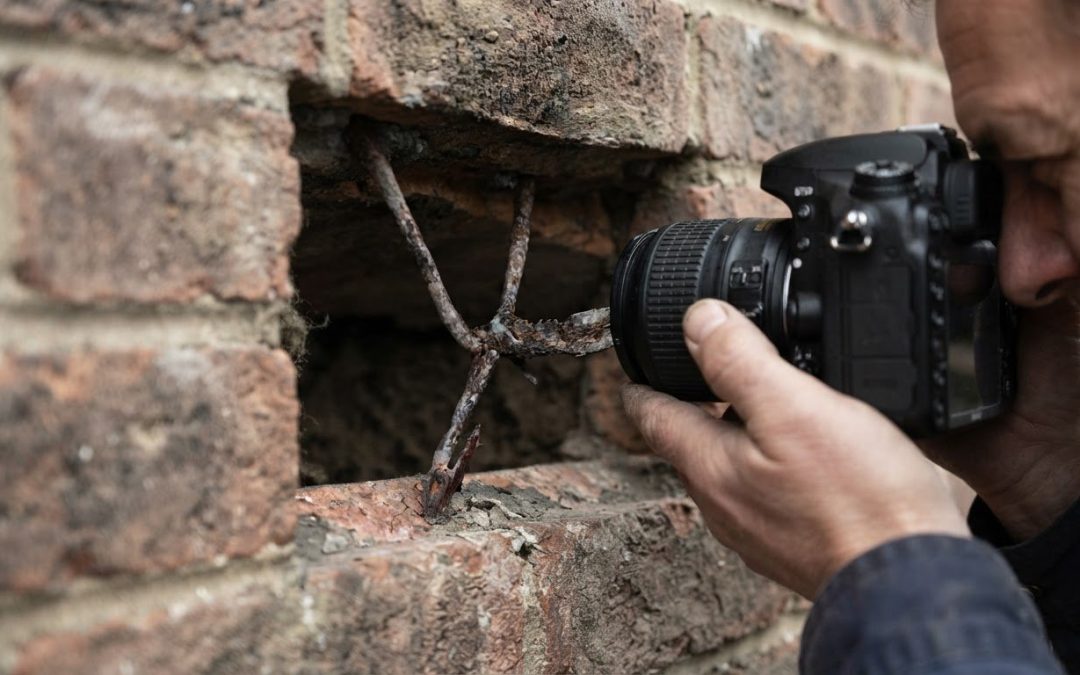
What a wall tie survey report includes
A wall tie report should do more than label ties as sound or failed. Knowing what a wall tie survey report includes helps you understand how the surveyor reached their conclusion. It can describe the wall construction, tie type and condition, and visible masonry...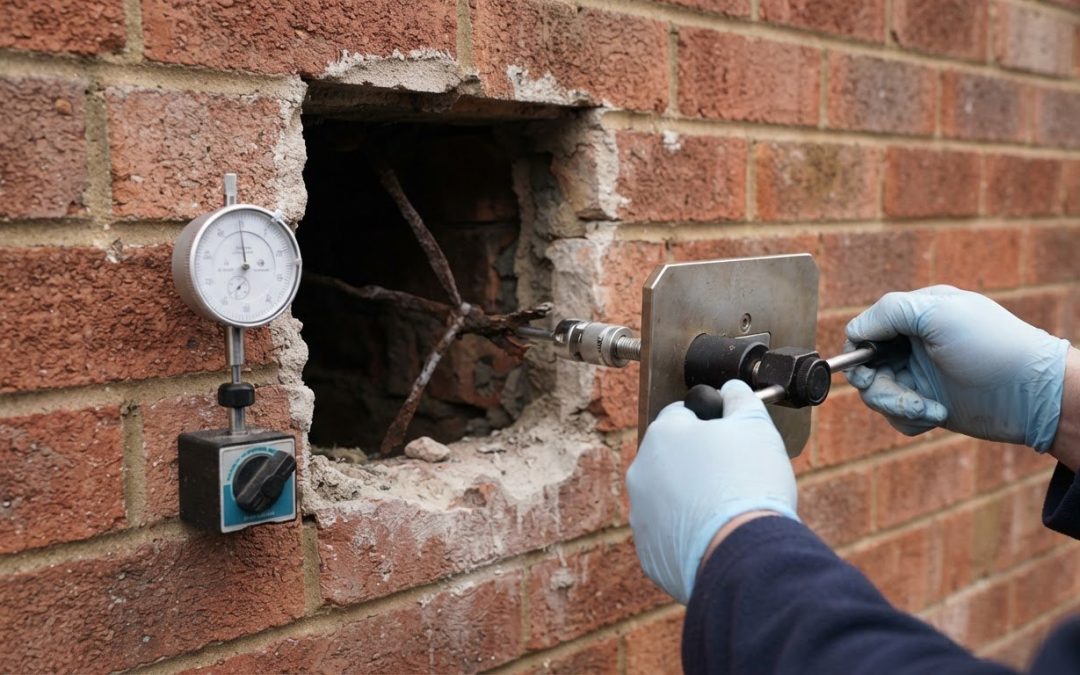
How wall tie pull testing checks anchorage
A pull test is only useful when the applied load is appropriate for the tie. The stated load is about 2.0 kN for 5 mm ties and up to 2.5 kN for 6 mm ties. Understanding how wall tie pull testing checks anchorage means considering both the load applied and how much the...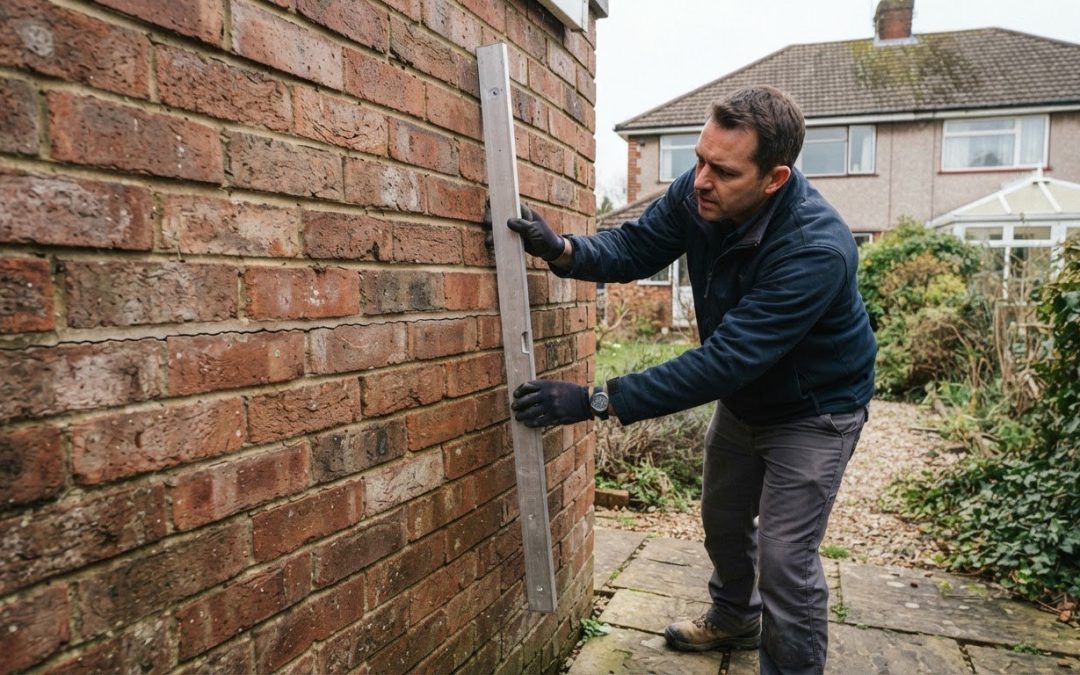
How to spot possible wall tie corrosion
Could wall ties be corroding even if there’s no obvious crack? Yes. Horizontal cracks along mortar joints, or bulging and bowing brickwork, can be warning signs, but ties can also fail without visible damage. Knowing how to spot possible wall tie corrosion means...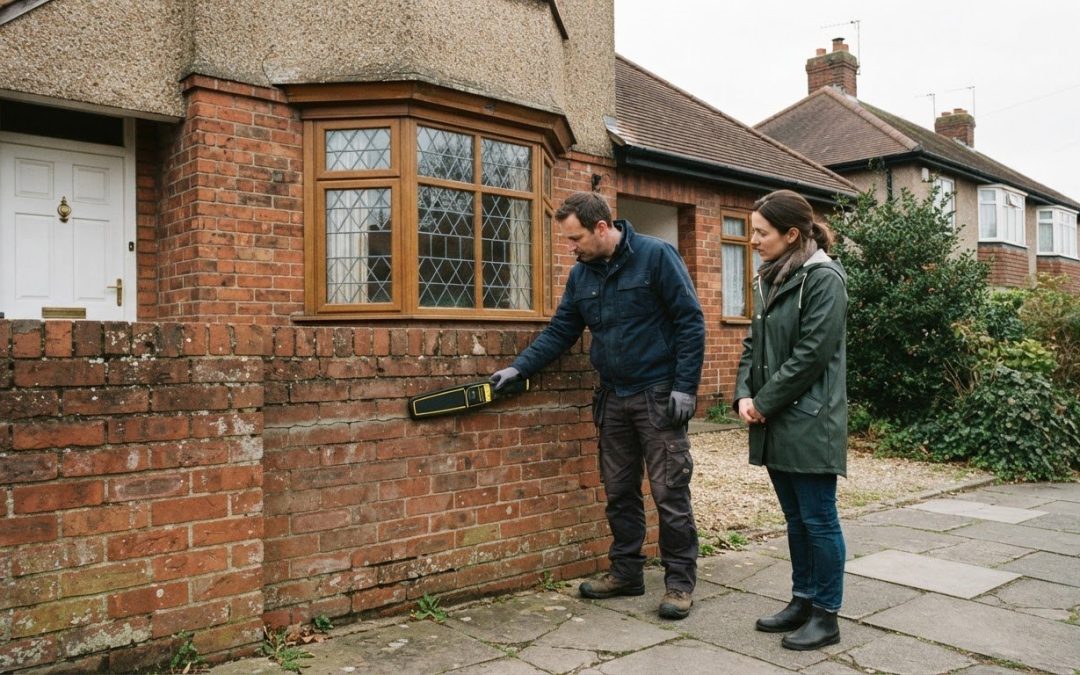
Recent Comments