
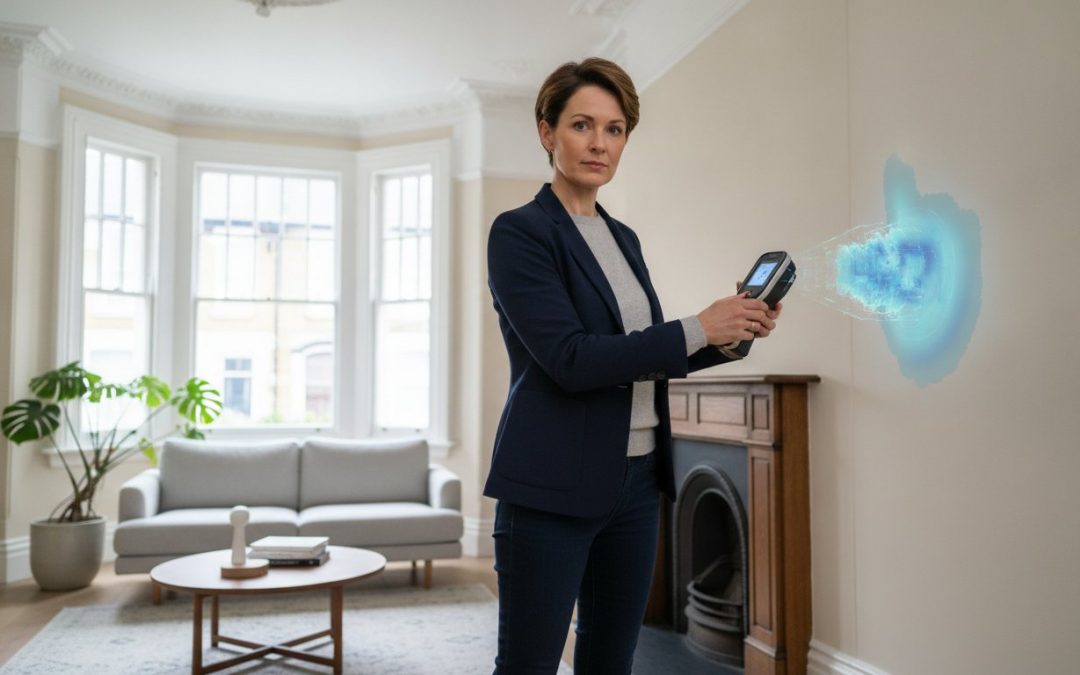
What if the “expert” damp survey you were offered is actually the most expensive mistake you’ll make this year? Many homeowners accept these complimentary inspections only to find themselves pressured into unnecessary, invasive treatments that fail to address the root cause of moisture. We understand the stress of facing unexpected mortgage delays or the confusion of receiving conflicting advice from different contractors. Understanding the professional damp survey cost uk homeowners face is the first step toward securing your property’s structural integrity and long term value.
This guide provides a transparent price breakdown for 2026, ensuring you know exactly what to budget for a specialist inspection. You’ll learn how a paid survey functions as a vital diagnostic tool that prevents you from paying for remedial work you don’t actually need. We’ll explore average pricing for various property sizes, the impact of regional location on fees, and the technical standards required for reports accepted by major lenders. By the end of this analysis, you’ll have a clear roadmap to securing a definitive diagnosis and restoring the comfort and safety of your home.
Key Takeaways
- Identify the standard damp survey cost uk homeowners should expect in 2026, with professional fees typically ranging from £200 for smaller flats to over £600 for large detached properties.
- Understand why “expert” surveys often lead to biased results and unnecessary quotes for damp-proof courses that don’t address the actual underlying structural issue.
- Learn how technical moisture mapping and borescope inspections identify hidden faults within wall cavities that standard visual checks frequently miss.
- Discover how a professional report provides the definitive evidence required by mortgage lenders to secure property transactions and protect long-term asset value.
- Recognize the importance of specialist diagnostics in identifying defective cavity insulation as a primary cause of penetrating damp and structural decay.
Understanding Damp Survey Costs in the UK for 2026
A professional damp survey is a technical inspection designed to identify moisture ingress sources and protect the structural integrity of your property. It’s a diagnostic investment. Unlike a general valuation, it focuses specifically on the internal and external health of the building fabric. When considering the damp survey cost uk homeowners face, it’s essential to understand that you’re paying for a specialist’s ability to differentiate between simple condensation and serious Structural dampness. Government data indicates that millions of homes in England are currently affected by moisture issues. An accurate diagnosis is vital for long term asset health and the preservation of property value.
Fees for these inspections typically range from £150 to £600. This variance depends on the scale of the property and its geographic location. As a nationwide specialist, we see how these costs cover the technician’s professional time, the use of specialist diagnostic tools, and the production of a formal report. This specialist survey differs significantly from a standard mortgage valuation or homebuyer report. General surveyors often only identify the presence of damp without investigating the underlying cause. They often lack the specialist borescopes required to see inside wall cavities and identify saturated insulation.
Average Price Ranges by Property Type
The damp survey cost uk market is largely dictated by the time required to map moisture across all elevations. For a standard 2-bedroom flat, you should expect to pay around £200. A typical 3-bedroom terraced house usually averages £400, while larger 4-bedroom detached homes or complex period properties often reach £600 or more. Price expectations increase for older buildings because they often feature non-standard construction methods or complex structural layouts that require more intensive investigation. Landlords must also consider these costs as part of their legal obligations under the Homes (Fitness for Human Habitation) Act 2018 and Awaab’s Law. These regulations mandate that damp and mould issues must be investigated and resolved within strict timeframes to ensure tenant safety.
For property owners and landlords, managing these maintenance costs alongside tax obligations is a critical part of running a compliant business; you can explore Fixed-fee accountancy and tax compliance services to help manage your accounts more efficiently.
What Your Survey Fee Actually Pays For
Your fee secures the time of an accredited technician who performs a methodical onsite investigation. They don’t just look at damp patches; they use moisture meters and borescopes to analyze what’s happening inside the walls. This process identifies the specific technical fault, such as failing wall ties or defective insulation, and links it to a professional remedy. You’re also paying for a formal documentation package. This report provides the definitive evidence needed by lenders or insurers to approve a mortgage or verify a submission. It’s a transparent process that moves from technical observation to a clear, low-pressure recommendation for restoring your home’s comfort and safety. By identifying the root cause correctly the first time, you avoid the recurring expense of failed cosmetic repairs.
Key Factors Influencing the Cost of a Damp Inspection
Determining the damp survey cost uk homeowners can expect involves evaluating several technical variables beyond simple property size. A specialist inspection is a methodical process that begins with moisture mapping every room to establish a baseline of environmental health. Large properties or those with complex extensions require more time to ensure no hidden faults are overlooked. Our nationwide coverage ensures that every inspection follows the same rigorous standards regardless of the property’s location, though travel logistics for more remote areas and the coordination of specialist equipment are factored into the professional fee. This methodical approach is necessary to provide the long-term assurances that homeowners need when protecting their asset.
Structural Complexity and Access Requirements
The age and design of a building directly influence the diagnostic process. Period properties often feature solid walls or non-standard cavity widths that require a more nuanced approach than modern builds. Multi-storey layouts also increase the complexity of external wall assessments, as technicians must identify high-level ingress points like failing gutters or cracked masonry. Following the RICS guidance on damp and mould, we evaluate whether invasive or non-invasive testing is appropriate for your specific property type. For those concerned about hidden structural issues, a professional wall tie survey provides the clarity needed to protect your home’s long-term value.
Specialist Equipment and Technology Fees
Accurate diagnostics require more than just a visual check. We use electronic moisture meters to detect dampness behind surface finishes that would otherwise remain hidden. One of the most common issues we identify is penetrating damp caused by saturated or defective cavity insulation. To diagnose this, we use high-definition borescopes to look inside the wall cavity itself. This allows us to inspect the condition of wall ties and the state of the insulation without causing disruption to the masonry. This level of detail is essential for a permanent fix, as it identifies exactly where insulation has failed or where wall ties have corroded. Thermal imaging identifies cold bridging without disruption by mapping temperature differences across internal wall surfaces to highlight areas of heat loss. Using these advanced tools ensures that the underlying cause of dampness is correctly identified before any remedial work is recommended.
The “no-obligation Survey” Trap: Why Professional Fees Matter
The appeal of a expert survey is understandable when property maintenance costs are rising. However, these offers often hide a significant conflict of interest. Sales-led contractors use expert inspections as a lead-generation tool for remedial services. Their goal isn’t just diagnosis; it’s the sale of a specific product, such as a chemical damp-proof course. In contrast, paying a professional fee ensures the surveyor has no incentive to “find” work that isn’t necessary. This independence is what makes the damp survey cost uk homeowners pay a genuine investment rather than an expense. As a nationwide specialist, we observe that an unbiased perspective is the only way to ensure the long-term health of your property’s structure.
Misdiagnosis and the Risk of Incorrect Remedial Work
Misidentifying the source of moisture is a frequent and costly error in the industry. We often see condensation misdiagnosed as rising damp because both can cause surface staining and high moisture readings. If a contractor installs a new damp-proof course while ignoring saturated cavity insulation, the problem will persist. The moisture trapped within the wall continues to damage the building’s fabric, leading to wall tie corrosion and structural decay. A professional surveyor focuses on the technical fault, ensuring the remedy matches the actual cause rather than simply treating the symptoms. This methodical approach identifies whether the issue is a simple ventilation problem or a serious structural failure within the wall cavity.
Long-Term ROI of a Specialist Diagnostic Report
Mortgage lenders are increasingly cautious about damp reports. They frequently reject documentation from non-specialist firms because these reports lack the technical depth required for high-value transactions. A specialist diagnostic report provides the evidence-based clarity that lenders demand. By identifying the root cause correctly the first time, you avoid the recurring costs of failed treatments. This protects your property’s market value and ensures structural repairs are executed correctly from the start. Choosing the right dampness specialists involves looking for firms that prioritize structural health over quick-fix sales. The long-term ROI of an accurate diagnosis far outweighs the initial damp survey cost uk, as it prevents the financial burden of ineffective remedial work and the potential for structural instability.

What to Expect from a Specialist Damp and Mould Report
A specialist report is the technical output that justifies the damp survey cost uk homeowners invest. It isn’t a mere quote for work; it’s a diagnostic blueprint. The report begins with a comprehensive moisture map of the affected internal and external walls. This process identifies the specific damp type, whether it’s rising, penetrating, or condensation, by analyzing moisture patterns in relation to the building’s structure. We also conduct a detailed analysis of external defects. Blocked cavities, failing brickwork, and cracked mortar joints are common culprits that allow water to bypass the property’s natural defenses. Every finding is linked to a prioritized remedial action plan that focuses on structural repairs rather than temporary cosmetic fixes.
Diagnostic Evidence and Photographic Documentation
Visual proof is vital for validating findings and securing the trust of third parties. A professional report includes high-definition photographic documentation of every identified fault. We use borescopic evidence to confirm the state of internal wall cavities without causing structural damage. This allows us to see exactly what’s happening inside the wall. If we find saturated insulation or debris, we document it clearly to provide an indisputable record of the technical fault. These technical standards ensure the report meets the requirements of UK mortgage providers and insurance companies. It provides the definitive evidence needed to resolve disputes, finalize a property sale, or plan for long term asset health.
Remedial Recommendations and Structural Solutions
The report concludes with specific, actionable recommendations designed to restore the property’s integrity. Addressing wall tie corrosion is often a critical part of the findings. Failing wall ties can lead to the outer leaf of a wall detaching, which is a significant safety risk. We also evaluate whether cavity wall insulation removal is required. When insulation becomes a bridge for moisture, it must be extracted to allow the cavity to function correctly again. This prevents the recurrence of dampness and protects the wall ties from further corrosion. If you’re dealing with the environmental effects of dampness, our guidance on black mould provides essential health and safety information. Our focus is always on the long-term health of the asset. To ensure your home is professionally diagnosed, you can request a cavity wall survey from our expert team.
Choosing a Nationwide Specialist for Your Property Survey
Hiring a specialist contractor with nationwide UK experience provides a level of technical rigor that local generalists often cannot match. While some platforms suggest looking for local tradesmen, many general builders lack the high-definition borescopes and moisture mapping tools required for a deep structural diagnosis. As a nationwide expert, CavClear ensures that every inspection follows a standardized, methodical process designed to protect your home’s structural integrity. Verifying the credentials and experience of your inspection team is essential; you should look for technicians who specialize in the fabric of the building rather than those who simply sell surface treatments. A specialist’s understanding of how a property functions as a complete system is what justifies the damp survey cost uk homeowners invest.
Specialism in Cavity Maintenance and Remedial Work
Specialist knowledge of wall cavities is essential for modern UK homes, particularly those built with dual-leaf masonry. We frequently identify dampness caused by the installation of retrospective cavity wall insulation, a practice that can bridge the gap between walls and allow moisture to penetrate the interior. This often leads to wall tie corrosion and significant structural decay if left unaddressed. Our technicians focus on identifying these underlying technical faults to ensure a permanent resolution. Understanding the link between structural integrity and effective damp prevention is the key to maintaining a healthy home. For more detailed information on our methodology, you can read our damp survey guide which covers the entire diagnostic process for 2026.
Securing Your Property’s Future with Professional Advice
A specialist report acts as a vital investment in your asset’s health by providing the definitive evidence needed for long-term maintenance. It offers the peace of mind that comes from a permanent structural fix rather than a temporary cosmetic patch. By correctly identifying whether you need cavity wall insulation extraction or wall tie replacement, we prevent the recurring costs of failed moisture treatments. This professional advice is critical for preserving property value and ensuring your home remains a safe, comfortable environment. The damp survey cost uk is a small price to pay for the assurance that your property’s structural health is being managed by nationwide experts. Taking the next steps to protect your investment is simple; booking your nationwide inspection ensures you receive the highest standard of diagnostic care available in the current market.
Securing Your Property’s Structural Integrity for the Long Term
Investing in a professional inspection is the only reliable way to move beyond the confusion of conflicting advice and misdiagnosis. By paying a transparent damp survey cost uk homeowners avoid the financial trap of sales-led surveys that prioritize commission-based fixes over genuine structural health. A specialist diagnostic report identifies technical faults within your wall cavities that generalists often miss; it provides the definitive evidence required by lenders and insurers. This evidence-based approach ensures any remedial work, such as extracting saturated insulation or replacing corroded wall ties, addresses the actual root cause of moisture ingress.
Our team provides the technical clarity needed to protect your property’s value and restore your home’s comfort. With accredited specialist technicians and nationwide UK service coverage, we deliver comprehensive structural reports that ensure long-term asset health. You don’t have to live with the stress of persistent moisture or the fear of deteriorating masonry. Book a specialist nationwide damp survey with CavClear today and take the first step toward a permanent solution for your home.
Frequently Asked Questions
Is a damp survey required for a mortgage in the UK?
Mortgage lenders frequently require a specialist damp survey if their initial valuation identifies high moisture readings or visible staining. This report provides the technical assurance that the property is a sound security for the loan. Without a definitive diagnosis from an accredited technician, lenders may withhold funds or place a retention on the mortgage until the identified issues are resolved and verified.
How long does a professional damp survey take to complete?
A professional damp survey typically takes between two and four hours to complete on-site. This duration varies depending on the property’s size and the complexity of the structural layout. Technicians spend this time mapping moisture levels across all elevations and using borescopes to inspect the condition of wall cavities. A thorough investigation ensures every potential ingress point is identified before the final report is drafted.
Can I get a damp survey for expert?
While some contractors offer expert surveys, these are often lead-generation tools designed to sell remedial treatments. A paid damp survey cost uk homeowners invest ensures an independent and unbiased diagnosis. Paying for the survey removes the conflict of interest inherent in sales-led inspections. This ensures that any recommended work, such as cavity extraction or wall tie replacement, is based purely on structural necessity.
What is the difference between a damp survey and a timber survey?
A damp survey focuses specifically on the source and movement of moisture within the building fabric. A timber survey investigates the secondary effects of that moisture, such as fungal decay or wood-boring insect infestations. While they address different issues, they are often conducted together because persistent dampness is the primary catalyst for timber degradation. Both are essential for a complete understanding of a property’s structural condition.
Will a damp survey damage my walls or wallpaper?
Professional damp surveys are designed to be non-disruptive and won’t damage your wallpaper or internal finishes. We use electronic moisture meters that establish readings through surface contact. If a closer look at the cavity is required, we use small, high-definition borescopes through existing mortar joints. This methodology allows us to gather technical evidence without the need for invasive or destructive testing methods that compromise your home’s aesthetics.
Does a damp survey cost more for older period properties?
Survey fees are often higher for older period properties due to their non-standard construction and complex structural features. Buildings with solid walls or historic masonry require a more nuanced diagnostic approach than modern homes. Technicians must spend additional time evaluating traditional building materials and identifying whether previous interventions, like retrospective insulation, have caused technical faults that compromise the building’s original design and structural health.
What happens if a damp survey finds saturated cavity wall insulation?
If saturated cavity wall insulation is identified, it constitutes a significant technical fault that requires immediate attention. Wet insulation acts as a thermal bridge, allowing moisture to move from the outer leaf to the inner walls. This environment accelerates wall tie corrosion and leads to persistent penetrating damp. The standard professional remedy is the complete extraction of the defective material to restore the cavity’s function and protect the property’s integrity.
Are damp survey reports valid for insurance purposes?
Yes, a specialist damp and mould report is a formal document that is valid for insurance purposes and legal evidence. It provides a methodical record of structural faults and moisture mapping data. Because these reports are produced by accredited technicians using calibrated diagnostic tools, they serve as authoritative proof of a property’s condition. This documentation is vital when validating the necessity of structural repairs for insurers or during property transactions.
Recent Comments