
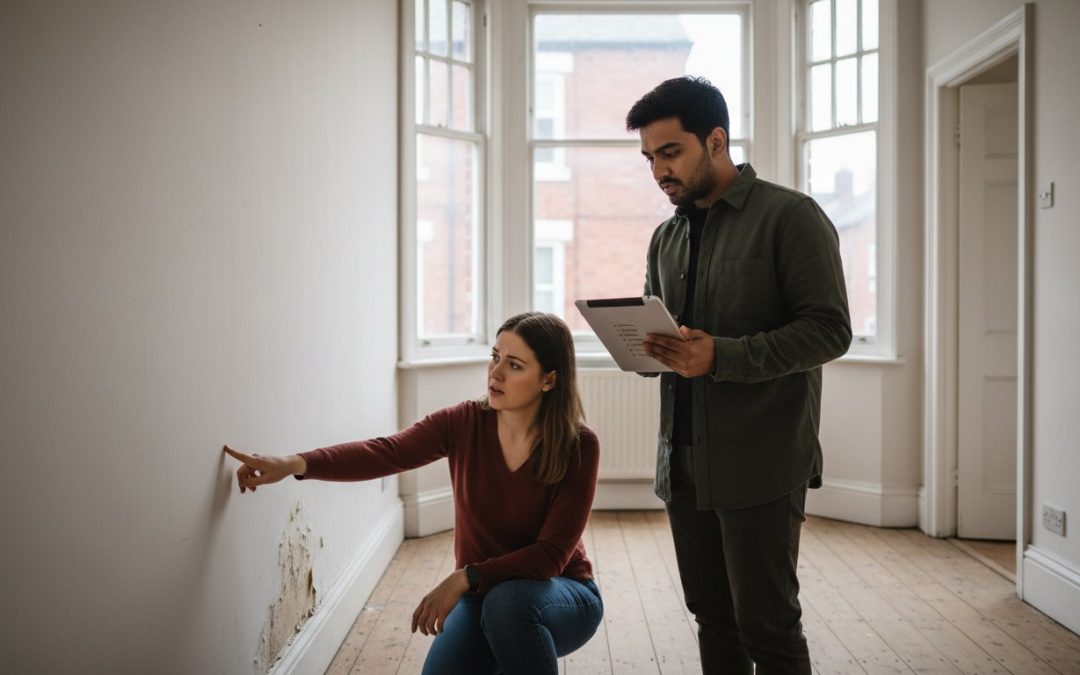
Did you know that only one in three homebuyers in England and Wales commissions a professional survey before exchanging contracts? This statistic is particularly alarming because approximately 25% of UK homes currently report visible mould or damp issues. When you’re viewing a property, it’s easy to be distracted by a modern kitchen or a fresh coat of paint. However, these cosmetic finishes often mask deeper structural failures like defective cavity insulation or failing wall ties. Learning how to check for damp in a house before buying is the only way to protect yourself from a financial nightmare that could cost an average of £5,000 to rectify.
You’re right to feel skeptical of a “freshly decorated” room that smells slightly of air freshener. It’s stressful to commit your life savings to a property when you aren’t sure if the walls are structurally sound. We’ll show you exactly how to identify hidden moisture and structural failures before you sign a contract. This specialist 2026 checklist covers everything from the latest RICS Home Survey Standards updated in April 2026 to the subtle signs of external masonry damage. You’ll gain the technical clarity needed to decide whether a property is a sound investment or a structural risk that requires professional intervention.
Key Takeaways
- Identify “legacy damp” caused by poor previous workmanship or neglected maintenance to avoid inheriting significant repair costs.
- Learn how to check for damp in a house before buying by distinguishing between rising damp, penetrating damp, and simple condensation.
- Perform a systematic room-by-room inspection using all your senses to detect structural failures that visual assessments might overlook.
- Spot common red flags such as isolated patches of fresh paint or the use of air fresheners to mask the characteristic scent of moisture.
- Understand why a standard survey might miss specific cavity wall defects and when to commission a specialist diagnostic report for total peace of mind.
Why Spotting Damp is Essential Before Completing a Property Purchase
A pre-purchase damp check is more than a casual glance at the walls. It is a non-invasive visual and sensory assessment conducted during your property viewing. You must use your eyes to spot staining, your hands to feel for cold or salt-crusted plaster, and your nose to detect the characteristic earthy scent of moisture. Understanding how to check for damp in a house before buying allows you to identify issues that a seller might have intentionally or accidentally overlooked. Properties often carry “legacy damp,” which stems from years of neglected maintenance or poor-quality repairs that failed to address the root cause of moisture ingress. Inheriting these problems means taking on the financial burden of rectifying someone else’s poor workmanship.
The implications of persistent moisture extend beyond aesthetics. Since the implementation of Awaab’s Law in October 2025 and its extension to the private sector in 2026, the health risks of black mould have become a primary concern for the UK housing market. Mould spores are a verified respiratory hazard that should never be ignored. We also distinguish between “lifestyle damp,” which is often manageable condensation caused by daily activities, and Structural dampness. While condensation might be solved with better ventilation, structural damp indicates a failure in the property’s external defenses that requires a specialist solution.
The Financial Impact of Hidden Damp Issues
The cost of ignoring damp can be substantial. When moisture remains trapped within the building fabric, it often leads to timber decay. Wet rot can quietly destroy floorboards and structural joists, making them spongy and unsafe over time. There are also significant hurdles regarding mortgageability. If a surveyor identifies high moisture readings, lenders may withhold funds until a specialist diagnostic report is provided. You should also be aware that most standard UK home insurance policies do not cover damage caused by gradual deterioration or pre-existing damp issues. This leaves the buyer solely responsible for the repair costs, which can average around £5,000 for professional remediation.
Dampness as a Symptom of Structural Failure
Knowing how to check for damp in a house before buying helps you see beyond a simple cleaning task and identify a failing building envelope. In the UK, the cavity wall is the first line of defense in property preservation. It’s designed to prevent moisture from bridging the gap between the external masonry and the internal living space. Structural damp is moisture ingress caused by a breach in the building’s external fabric. This breach could be anything from a failing damp proof course to debris collected within the cavity itself. Identifying these failures early ensures you don’t invest in a property with fundamental integrity issues that could compromise your comfort and safety for years to come.
Understanding the Three Main Types of Damp and Their Hidden Causes
Water behaves predictably. It always seeks the path of least resistance through a building’s structure. When you are learning how to check for damp in a house before buying, you must accurately distinguish between rising damp, penetrating damp, and condensation. Each of these issues has a distinct technical cause and requires a specific, professional remedy. Condensation is frequently a lifestyle or ventilation matter. In contrast, persistent moisture on an external wall usually indicates a fundamental failure in the property’s protective envelope.
External maintenance defects are the most common drivers of penetrating damp. Cracked render, eroded pointing, or blocked gutters allow rainwater to saturate the masonry rather than shedding away from the building. If the masonry remains saturated, moisture will eventually find a way into the interior. Keeping a home dry is critical for long-term health and safety, a point emphasized in the EPA guide to moisture and mold. A single blocked downpipe can cause localized flooding within a wall cavity, leading to internal damage that looks like a minor leak but represents a larger structural risk.
Penetrating Damp and the Cavity Wall Problem
Cavity walls are designed to act as a clear air space that breaks the path of moisture. This gap prevents water from moving from the outer leaf to the inner leaf of the building. Problems arise when this space becomes compromised by debris or saturated material. Saturated insulation acts as a permanent moisture bridge, dragging water directly onto your internal plasterwork. This scenario often requires professional cavity wall insulation removal to stop the cycle of dampness and prevent wall tie corrosion. Restoring the clear cavity is the only way to guarantee the long-term health of the wall and ensure the building functions as intended.
Rising Damp vs. Bridged Damp Proof Courses
Rising damp involves ground moisture traveling upwards through porous bricks via capillary action. The classic sign is a “tide mark” or blistering paint located within one metre of the floor. Most properties have a Damp Proof Course (DPC) to prevent this, but it is easily “bridged.” This happens when external ground levels, such as new driveways or patios, are raised above the original DPC line. Water simply steps over the barrier. Many homeowners mistakenly turn to chemical DPC injections, but these treatments fail if the physical bridge remains in place. You must lower the ground level or create a drainage channel to solve the problem permanently. If you suspect a structural bridge is compromising the property, consulting a specialist surveyor can provide the technical clarity you need before committing to a purchase.

The Pre-Purchase Damp Inspection Checklist: A Room-by-Room Guide
A methodical inspection is the most effective way to protect your investment. When considering how to check for damp in a house before buying, you should begin at the lowest point of the property and work upwards. Don’t rely solely on your eyes; a thorough assessment requires you to engage your senses of touch and smell. Walls that feel cold or clammy to the touch often indicate a lack of thermal efficiency or moisture bridging within the cavity. Similarly, a faint earthy scent in a room that looks otherwise clean is a significant red flag that should not be ignored.
It’s essential to look beyond the obvious living spaces. Pull back curtains and, if possible, check behind large pieces of furniture where air circulation is restricted. These stagnant areas are the first to show signs of structural failure. Don’t forget to look up; staining or bubbling on the ceiling can indicate leaking pipes or defective roof felt, which are common precursors to penetrating damp. Following A Surveyor’s Guide to Damp Issues ensures you maintain the same rigor as a professional during your 20-minute viewing window. This systematic approach allows you to identify patterns of moisture that might otherwise be dismissed as isolated incidents.
Visual and Sensory Indicators Inside the Home
Look for efflorescence, which appears as white, powdery salt deposits on the surface of brickwork or plaster. These salts are carried by moisture and left behind when the water evaporates, signaling an active damp issue. You might also notice “ghosting,” where dark patches appear on cold external walls, tracing the outline of the underlying structure. These cold spots often lead to the development of black mould, which thrives in high-humidity environments. If you detect a sharp, musty odour, it usually indicates that mould spores are present, even if they’ve been temporarily scrubbed from the surface.
The Kitchen, Bathroom, and Utility Room Audit
Wet rooms require extra scrutiny. Inspect the silicone seals around baths, showers, and sinks for any signs of black spotting or peeling. These failures allow water to seep into the floor structure, leading to the timber decay mentioned earlier. Look for discoloured grout or “blown” tiles that feel loose when pressed; this often suggests that water has bypassed the surface and saturated the backing board. Finally, verify that extractor fans are not only present but functional. High-quality mechanical ventilation is a requirement under the 2026 building standards to prevent the accumulation of lifestyle-driven moisture. If a fan sounds excessively noisy or fails to pull a piece of paper against the grille, it is likely ineffective.
Identifying Red Flags: When to Look Beyond the Surface
Sellers don’t always disclose the full history of a property. They frequently apply a fresh coat of paint to mask moisture staining shortly before a viewing. If you notice that only the lower half of a wall or a single corner has been recently decorated, you should treat this as a significant warning sign. Use your sense of smell to detect heavy perfumes, air fresheners, or scented candles. These are often used to disguise the stagnant, musty odour of established damp. You should also perform a “tap test” on the plaster. Gently tap the walls in areas where you suspect moisture; a hollow or “drum-like” sound suggests the plaster has “blown” and detached from the masonry due to prolonged saturation.
External indicators are equally telling. Spalling occurs when the face of a brick flakes away. This is caused by water entering the brick and then expertzing; the ice expands and breaks the brick surface. Missing mortar or eroded pointing also creates an entry point for penetrating damp. When you’re assessing how to check for damp in a house before buying, these external defects indicate a building envelope that is no longer weather-tight. Identifying these issues early prevents you from inheriting a property that requires immediate, expensive masonry repairs.
External Walls and the Risk of Failing Wall Ties
Horizontal cracks appearing in mortar joints every few courses are a classic symptom of wall tie corrosion. As steel wall ties rust, they expand to several times their original thickness, which physically lifts the masonry. This structural instability allows moisture to bypass the cavity and enter the inner leaf. If you observe these specific cracking patterns, you must commission a specialist wall tie survey before proceeding. Neglecting this issue can lead to significant structural failure and high remediation costs that are rarely covered by standard insurance.
Roofing, Gutters, and Downpipes
Look for localized patches of green algae or moss growth on the external brickwork. This growth usually follows the line of a leaking gutter or a cracked downpipe. A single blocked downpipe can cause a wall to become permanently saturated, leading to internal dampness that appears unrelated to the roof. Check the lead flashing around chimneys and roof joins for splits or gaps. These small breaches in the building fabric are often the root cause of penetrating damp in upper-floor rooms. If you identify these red flags, a professional diagnostic inspection is the only way to ensure the property is a safe investment.
Navigating the Survey Process: Professional Investigations vs. Homebuyer Reports
While your own observations provide a strong starting point, a professional investigation is the final line of defense against a poor investment. Understanding how to check for damp in a house before buying is essential, but a specialist survey provides the evidence needed for a secure purchase. Standard RICS Level 2 and Level 3 surveys are predominantly non-invasive. General surveyors rely on visual inspections and basic moisture meters that often only scratch the surface. They frequently identify symptoms without diagnosing the underlying cause, which is why a professional damp survey is a vital step for any property built with cavity walls.
A specialist uses a sophisticated toolkit to provide a definitive diagnosis. Protimeters measure moisture levels deep within the masonry, while hygrometers assess the relative humidity and dew point within the living environment. The most critical tool for a modern inspection is the borescope camera. This allows the specialist to look directly into the building fabric to identify debris, saturated insulation, or corroded wall ties. Once you possess a detailed technical report, you can use it as a powerful negotiation tool. If the survey identifies necessary remediation work, you’re in a position to request a reduction in the purchase price to cover these costs before you exchange contracts.
The Limitations of General Homebuyer Surveys
General surveyors are often cautious in their reporting. They frequently use “boilerplate” text that flags high moisture readings and recommends “further investigation by a specialist.” This leaves the buyer with a warning but no clear solution or cost estimate. A general surveyor might notice a damp patch but fail to identify that the root cause is a bridged cavity or defective insulation. Only a specialist investigation can confirm if wet rot has set into structural timbers, which could compromise the entire floor structure. Without this specific data, you risk moving into a property with a “structural nightmare” that was dismissed as a minor issue.
Next Steps: Booking a Specialist Cavity and Damp Inspection
You should always prioritise independent dampness specialists who provide unbiased reports focused on structural integrity rather than selling a specific product. A truly professional assessment must include a borescope inspection of the wall cavity to ensure the air space is clear and functional. This level of detail is the only way to guarantee the long-term health of the building and your future energy savings. Ensure your future home is structurally sound and your investment is protected by commissioning a specialist survey today. A permanent fix is always better than a temporary mask.
Securing Your Investment with Technical Clarity
Protecting your future home requires looking beyond the superficial allure of a property. You now understand how to check for damp in a house before buying by identifying cosmetic masking, structural red flags, and the subtle signs of cavity wall failure. Remember that a standard homebuyer report often misses the internal debris or saturated insulation that compromises a building’s thermal efficiency. Investing in a specialist diagnostic assessment is the only way to ensure you don’t inherit a structural nightmare that could cost an average of £5,000 to rectify.
CavClear provides nationwide UK coverage with accredited technicians who use specialist borescope technology to inspect the hidden areas of your property. Our comprehensive remedial reports give you the evidence needed to negotiate with confidence and secure a permanent fix. Don’t leave your property’s health to chance; take the proactive step toward long-term peace of mind and structural safety.
Book a Professional Damp and Cavity Survey with CavClear to ensure your new home is safe, dry, and built to last.
Frequently Asked Questions
Is damp a reason to walk away from a house purchase?
Damp is not always a reason to walk away, but it requires a professional diagnosis to determine the remediation cost. If the issue involves fundamental structural failures like wall tie corrosion or saturated cavity insulation, you should use the specialist’s report to negotiate a price reduction. Walking away is advisable only if the seller refuses to acknowledge the root cause or if the structural integrity is beyond economic repair.
Can a surveyor tell if there is damp behind a wardrobe?
General surveyors often miss damp behind heavy furniture because their inspections are non-invasive and they’re restricted from moving a seller’s belongings. However, a specialist can use borescope technology to look inside the wall cavity from the outside or use thermal imaging to detect cold spots. These methods identify moisture trapped in stagnant areas where air circulation is poor without needing to move large items.
How much does a specialist damp survey cost in 2026?
A specialist damp survey in the UK typically ranges from £150 to £500 depending on the property’s size and complexity. According to May 2026 industry data, a 2-bedroom flat costs approximately £200, while a 4-bedroom detached house can reach up to £600. This investment provides a definitive technical diagnosis that a standard RICS Level 2 or 3 homebuyer report simply cannot offer.
What is the difference between condensation and penetrating damp?
Condensation is moisture from internal air hitting cold surfaces, while penetrating damp is water entering from the outside through structural breaches. While condensation might be solved with improved mechanical ventilation, penetrating damp requires fixing the building envelope. Common causes include cracked masonry, defective pointing, or debris within the wall cavity that allows moisture to bridge the gap between external and internal leaves.
Will my mortgage be declined if the house has damp?
Lenders rarely decline a mortgage outright due to damp, but they often place a “retention” on the funds. This means the bank holds back a portion of the loan until a specialist report is provided and necessary repairs are guaranteed. Ensuring you know how to check for damp in a house before buying allows you to address these issues early, preventing delays in your mortgage offer.
Can I fix damp issues myself after moving in?
You can manage minor condensation by adjusting your lifestyle and ventilation, but structural damp requires professional remediation. Attempting to “DIY” a fix for rising damp or saturated insulation often masks the symptoms while the underlying masonry continues to deteriorate. This leads to timber decay and wet rot, which are significantly more expensive to repair if left to progress for several years.
What happens if a seller has hidden damp issues?
Identifying hidden issues after completion is difficult, as most UK property sales are “buyer beware.” If a seller masks damp with fresh paint or scented candles, your legal recourse is often limited and expensive. This is why learning how to check for damp in a house before buying is your best defense. A specialist survey before exchange is the only way to guarantee you aren’t inheriting a structural failure.
How do I know if the cavity wall insulation is causing the damp?
Persistent cold spots and internal mould on external walls are common indicators that cavity wall insulation has become defective. If the material is saturated or has slumped, it acts as a bridge for moisture to travel directly to your internal plaster. A specialist borescope inspection is the only definitive way to see inside the cavity and confirm if the insulation requires professional extraction to restore the building’s thermal efficiency.
Recent Comments