
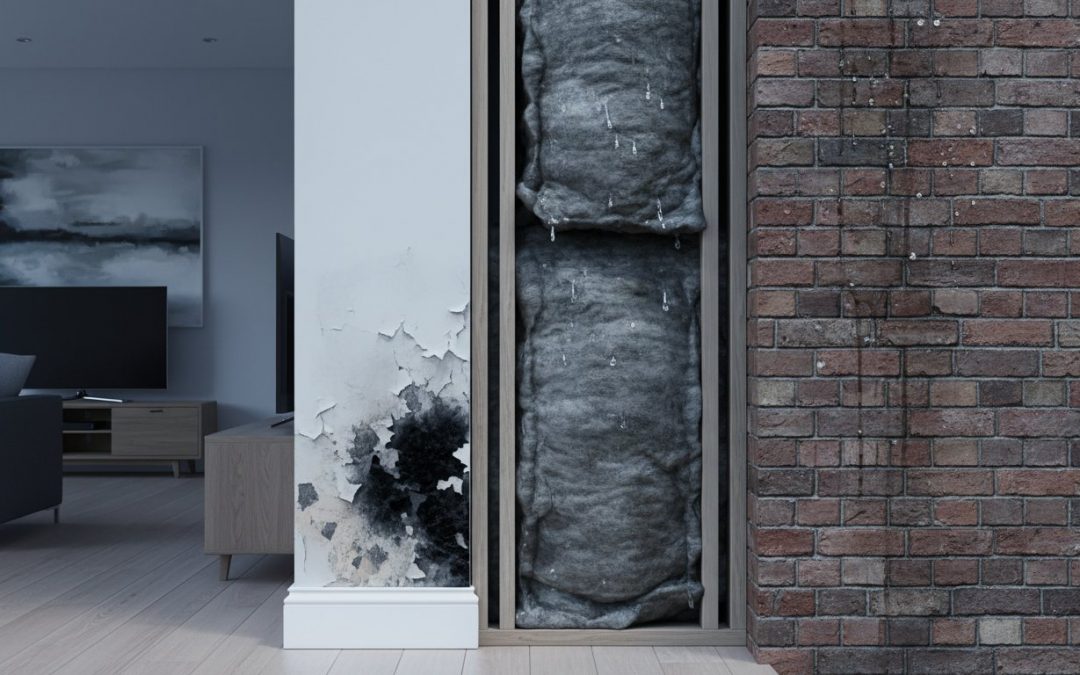
An energy-saving measure designed to lower your monthly bills shouldn’t be the primary cause of structural damage and health risks in your home. You likely expected a warmer, more efficient property, but instead, you’re now battling persistent damp and black mould after cavity wall insulation was installed. It’s a frustrating reality. Industry data from 2021 suggests that up to 25% of retrofitted properties face moisture issues due to poor installation standards. You’ve probably tried scrubbing the walls, yet the spores return because the problem isn’t on the surface; it’s trapped deep within the cavity itself.
We understand the stress that comes with watching your property’s integrity decline while worrying about your family’s respiratory health. This article will help you understand the technical failures, such as debris bridges and saturated material, that lead to these conditions. You’ll learn why professional extraction is the only permanent solution to restore your home’s structural health. We’ll preview the methodical steps our specialists take to clear your walls and return your living space to a safe, dry, and comfortable environment.
Key Takeaways
- Understand how retrofitted materials can create a moisture bridge, leading to persistent black mould after cavity wall insulation in corners and behind furniture.
- Learn why original architectural drainage channels must remain clear to prevent external rain from penetrating your home’s internal leaf.
- Recognise the critical signs of failed insulation, including musty odours and dark patches on plasterboard that indicate a deeper structural issue.
- Discover why surface-level solutions like anti-mould paint fail and why professional extraction is required to restore your property’s integrity.
- Gain insight into the specialist survey process that identifies defective material and provides a clear path toward a dry, healthy living environment.
The Link Between Cavity Wall Insulation and Black Mould Growth
Homeowners across the UK are increasingly discovering a direct link between previous energy-saving upgrades and current property damage. The discovery of black mould after cavity wall insulation is rarely a coincidence. A standard Cavity wall was designed to act as a barrier. It keeps the inner leaf dry by providing an air gap that prevents water from crossing over from the external brickwork. When this gap is filled with retrofitted materials like mineral wool or bonded bead, the natural drainage and ventilation path is obstructed. This allows moisture to seep into the internal walls, creating the damp conditions necessary for fungal colonization.
You won’t always see the damage immediately. It often takes 3 to 7 years for the insulation material to saturate or settle enough to create cold bridges. The appearance of black mould after cavity wall insulation usually indicates that the material has become a saturated bridge for moisture. You’ll typically find the first signs in stagnant areas where airflow is restricted. Corners of rooms, north-facing walls that receive little sunlight, and the hidden spaces behind heavy furniture are prime locations. These spots stay colder than the rest of the room. When warm, moisture-heavy air hits these cold surfaces, it condenses into liquid water, providing the fuel for spores to thrive.
The presence of persistent spores in a living environment isn’t just a cosmetic issue. It creates a stressful atmosphere for homeowners who feel their property is deteriorating despite their best efforts. Breathing in these spores daily can lead to chronic respiratory issues and a general sense of discomfort in the home. Restoring structural integrity is the only way to regain peace of mind.
What is Black Mould (Stachybotrys)?
Stachybotrys chartarum is a toxic fungus that requires high levels of constant moisture to grow. UK homes are particularly vulnerable because of high relative humidity and aging housing stock. Insulation traps moisture within the wall structure, creating a humid microclimate that allows spores to germinate and spread rapidly. Black mould serves as a definitive bio-indicator of underlying structural dampness within the building’s envelope.
Why Energy Saving Measures Sometimes Backfire
Traditional UK brickwork is porous and needs to breathe. Many retrofitted insulation projects prioritize airtightness over structural ventilation. This conflict leads to interstitial condensation, where moisture becomes trapped inside the wall itself rather than evaporating away. This hidden dampness eventually migrates inward, resulting in the visible growth of black mould. Our specialist extraction teams often find that the only way to restore the building’s thermal efficiency and safety is to remove the failing material entirely. This proactive approach ensures the property returns to its original, breathable state.
Understanding the ‘Moisture Bridge’: Why Cavities Should Stay Clear
British properties built after the 1920s were designed with a specific architectural feature: the cavity wall. This system creates a 50mm to 75mm gap between the external brickwork and the internal leaf. This space isn’t an oversight or a simple air pocket; it’s a functional drainage channel. Bricks are naturally porous materials. During typical UK weather cycles, the outer leaf of a property absorbs water. In a correctly functioning wall, this moisture penetrates the brickwork, runs down the internal face of the outer leaf, and exits through weep holes or evaporates through natural airflow. It’s a proven method for keeping the interior of a home dry.
The Purpose of the Wall Cavity
The air gap serves as a vital “rain-screen” that prevents moisture from crossing into the living space. By maintaining a physical break between the two layers of masonry, the design stops capillary action, which is the process where water travels through narrow spaces or porous materials. You can find more technical details on this structure in our guide on what is a wall cavity. Following the principles of Building damp-expert cavity walls is essential for property health, as any bridge across this gap allows liquid water to reach the internal blockwork. When the cavity is clear, the inner leaf remains dry and warm, providing a healthy environment for the occupants.
How Insulation Becomes a Sponge
The “Moisture Bridge” occurs when the cavity is packed with materials like mineral wool, glass fibre, or bonded beads. While these materials are marketed for thermal retention, they often fail under the pressure of heavy, wind-driven rain. Once the insulation becomes saturated, it acts like a sponge, holding water against the inner leaf of the building. Wet insulation is a liability; it can be up to 95% less effective than an empty cavity. Instead of keeping heat in, it draws heat out of the home, creating cold spots on internal walls.
The presence of debris and mortar droppings, often referred to as “snots” in the trade, further complicates the issue. These obstructions catch the insulation and create concentrated points of moisture transfer. This persistent dampness is the primary driver for the growth of black mould after cavity wall insulation. Because the wall can’t breathe or drain, the moisture becomes trapped, leading to a breakdown in the thermal envelope and significant structural risks. Preventing the spread of black mould after cavity wall insulation requires the restoration of that original, clear air gap.
If you’ve identified damp patches or musty smells in your home, it’s vital to act before structural damage worsens. As a nationwide specialist, CavClear provides professional cavity extraction services to remove failed insulation and restore your home’s natural defense against the elements.
Identifying the Signs of Failed Cavity Wall Insulation
Recognising the early indicators of failed insulation is vital for protecting your home’s structural integrity. When insulation becomes saturated or was poorly installed, it stops acting as a thermal barrier and starts acting as a bridge for moisture. One of the most common visual cues is the appearance of dark, damp patches on plasterboard. These patches often start in corners or behind furniture where airflow is restricted. You might also notice wallpaper peeling away from the wall as the moisture degrades the adhesive. Finding black mould after cavity wall insulation is a clear signal that the cavity is no longer breathing correctly.
Sensory signs are just as telling. A persistent musty smell that lingers even after you open windows suggests that moisture is trapped deep within the wall structure. This dampness provides a perfect breeding ground for fungi. According to CDC information on mold, moisture trapped within building materials is the primary catalyst for mould growth, which can eventually impact the air quality inside your living spaces. If your home feels cold or drafty despite the heating being on, the insulation has likely slumped or become a wet mass that pulls heat out of the room instead of retaining it.
Internal vs. External Symptoms
It’s important to distinguish between simple surface condensation and deep-seated insulation failure. Condensation usually appears uniformly across cold surfaces, but insulation-led damp follows a distinct “fill pattern.” This means mould and damp patches appear in specific areas where the insulation is wet, missing, or has slumped to the bottom of the cavity. Externally, you should look for “spalling” bricks, where the brick face begins to flake or pop off. This happens because the saturated insulation prevents the outer leaf of the wall from drying out; when the temperature drops, the trapped water expertzes and expands, shattering the masonry. Homeowners should check for cold spots using a thermal camera to pinpoint exactly where the insulation has failed or settled unevenly.
Structural Implications of Saturated Cavities
The most significant hidden danger of failed insulation is the acceleration of wall tie corrosion. Most homes built before 1981 use mild steel wall ties to hold the inner and outer leaf together. When insulation holds water against these ties, the metal begins to rust and expand. This expansion can exert enough pressure to cause horizontal cracking in the mortar joints or even cause the outer wall to bulge outward. As a nationwide specialist, we frequently see cases where homeowners ignore damp patches only to face much larger repair bills later. If you suspect your insulation is wet, a professional wall tie replacement assessment is an essential structural check to ensure your property remains safe. Addressing the dampness now prevents the catastrophic failure of these critical metal components in the future.
Why Surface Fixes and Mould Sprays Fail Permanently
Many homeowners attempt to resolve black mould after cavity wall insulation by increasing ventilation or applying specialist paints. These methods fail because they address the symptoms rather than the structural defect. When insulation material becomes saturated, it creates a thermal bridge that pulls cold moisture through the brickwork; this process is relentless. Opening a window or installing a trickle vent cannot counteract the physical presence of wet mineral wool or bonded bead within the cavity. Finding black mould after cavity wall insulation is a clear sign that the internal environment of the wall has failed.
Anti-mould paints contain biocides designed to kill surface spores. However, the moisture source remains active behind the plaster. Within 6 to 12 months, the damp usually pushes through the new coating. This often brings more aggressive fungal growth with it. This cycle leads to wasted expenditure on decorating while the underlying structure continues to deteriorate. You’re effectively placing a sticking plaster on a structural wound that requires a surgical solution.
The Myth of Drying Out
Waiting for the cavity to dry naturally is a mistake that leads to significant property damage. A standard 50mm cavity is a dark, confined space with minimal airflow. Once insulation is soaked, it retains water like a sponge. This trapped moisture often migrates to floor joists and roof plates. If the moisture content in these timbers exceeds 20%, it triggers wet rot, which compromises the structural integrity of the home. Natural evaporation in these conditions is physically impossible. The material must be removed to stop the decay.
The Limitations of Dehumidifiers
A dehumidifier can help manage indoor humidity, but it does not establish or resolve every cause of dampness. Black mould and damp patches require assessment of relevant moisture sources and conditions. Insulation extraction should be recommended only where the findings support it.
If you’re struggling with persistent damp, our specialists provide a professional cavity extraction service to remove the source of the problem for good.
The Professional Solution: Cavity Wall Insulation Extraction
Addressing the presence of black mould after cavity wall insulation requires a technical approach that goes beyond surface-level cleaning. The root cause is almost always trapped moisture within the insulation material itself, which creates a bridge for damp to travel from the outer brickwork to your internal walls. A specialist extraction is the only reliable method to break this cycle. By removing the defective or saturated material, we restore the cavity to its original purpose: providing a clear air gap that keeps your home dry and healthy.
A professional survey is the mandatory first step for any UK homeowner facing these issues. This assessment uses diagnostic tools to confirm the condition of the insulation and the extent of the moisture ingress. It ensures the extraction plan is tailored to your specific property type, whether it’s a detached house or a mid-terrace. Removing the failed material prevents long-term structural issues like wall tie corrosion, which can cost thousands of pounds to repair if left unchecked. This process is essential for properties where the insulation has compromised the building’s ability to shed water.
The Extraction Process Explained
The process begins with detailed borescope inspections. Technicians insert these optical devices into the cavity to map out saturation levels and identify where the material has slumped or compacted. This allows for a targeted approach that minimizes disruption to the building’s exterior. We don’t remove bricks; we work through small holes in the mortar joints that are easily repaired afterward. This ensures the structural integrity of the facade remains intact throughout the procedure.
- Industrial Vacuum Method: We use high-suction extraction units to pull the material out. This is a clean and non-invasive technique that prevents dust and debris from entering your living spaces.
- Clearing Ventilation: Technicians ensure that bell-mouth vents and air bricks are completely clear. This is vital for maintaining the 50mm air gap required for proper ventilation within the wall.
- Full Cavity Emptying: We verify the removal with a final camera inspection to ensure no pockets of damp material remain to cause future issues.
Taking the Next Step for Your Home
Booking a survey with accredited technicians provides the technical clarity you need to move forward. This isn’t just a repair; it’s an investment in your property’s structural safety and thermal efficiency. Once the cavity is clear, the building can finally breathe and dry out naturally. This restoration of the building envelope significantly improves internal air quality and protects the resale value of your home. You’ll gain the peace of mind that comes with a permanent, professional fix rather than a temporary patch. To get started, Contact CavClear for a specialist cavity wall survey today.
Protect Your Home’s Structural Integrity
Living with black mould after cavity wall insulation isn’t just a cosmetic issue; it’s a clear sign that your home’s cavity is no longer functioning as a protective barrier. When insulation becomes saturated or slumped, it creates a moisture bridge that transfers external dampness directly to your internal walls. Attempting to scrub away the growth with mould sprays won’t solve the underlying problem. True restoration requires the complete removal of the compromised material to allow the cavity to breathe and function as intended. This process eliminates the root cause of dampness rather than just masking the symptoms.
Our accredited specialist technicians provide a reliable path forward through professional cavity wall extraction. We use non-invasive borescope inspections to view the internal state of your walls without causing damage, ensuring a precise diagnosis of the failure. With nationwide UK service coverage, we help homeowners across the country reclaim their living spaces from damp and decay. Taking action now prevents further structural deterioration and protects your property’s long-term thermal efficiency. You deserve a home that’s dry, safe, and comfortable for your family.
Book a Professional Cavity Wall Survey with CavClear
Frequently Asked Questions
Can cavity wall insulation cause black mould years after installation?
Yes, black mould after cavity wall insulation can appear 10 or 15 years after the initial install. This often occurs because the material settles or absorbs moisture over time, which creates cold bridges across the cavity. When internal humidity hits these specific cold spots, condensation forms and leads to persistent mould growth. Data from property surveys indicates that up to 25% of properties with retrofitted insulation eventually face moisture issues due to material degradation or poor installation practices.
Is it possible to clean black mould without removing the insulation?
Cleaning the surface provides only a temporary solution because it doesn’t address the root cause hidden within the wall. If the insulation is wet or slumped, the cold bridge remains active regardless of how many times you scrub the interior surface. You’ll likely see the mould return within 3 to 6 months if the damp material stays inside the cavity. Specialist extraction is the only way to ensure the wall dries out completely and stops the cycle of condensation for good.
What are the health risks of living with mould after insulation failure?
Living with black mould increases the risk of respiratory infections, allergies, and asthma by 40% according to World Health Organization data. Mould spores act as potent allergens and irritants that significantly degrade the air quality throughout your property. Vulnerable groups, including children under 5 and adults over 65, face the highest risks from these conditions. Removing the damp insulation restores the building’s health and protects the occupants from these documented airborne hazards.
How much does it cost to remove wet cavity wall insulation?
CavClear quotes for extraction after assessing the material, construction and access. The proposed works, disposal and making-good arrangements are confirmed for the property.
Will my home be colder after the insulation is extracted?
Your home won’t feel colder because wet or slumped insulation actually loses its thermal properties and fails to insulate. In many cases, damp material draws heat out of the house faster than an empty cavity would. Once we remove the debris, the wall’s natural air gap functions correctly again. This allows the inner leaf of the wall to stay dry and warm; this often improves the overall comfort levels compared to living with failing, damp insulation.
How do I know for sure if the insulation is the cause of my mould?
A professional borescope inspection is the only definitive way to confirm if the insulation is the culprit. Specialists insert a small camera into the cavity to check for voids, dampness, or debris. If the camera reveals saturated wool or beads, it’s a clear indicator that the material is causing the black mould after cavity wall insulation. We look for specific patterns of damp that align with where the insulation has failed or become contaminated.
Does the extraction process create a lot of mess inside the house?
No, the extraction process is almost entirely external and creates minimal disruption inside your home. We remove individual bricks at the base of the walls and use high-powered vacuum machinery to pull the material out through these points. This method ensures that dust and debris stay outside the living areas. Our teams follow a strict clean-up protocol to leave the site tidy; we typically complete the work in 1 to 2 days depending on the house size.
Can I remove the cavity wall insulation myself?
Removing insulation yourself isn’t recommended because it requires industrial-grade vacuum equipment and technical expertise. Attempting a DIY removal often leaves behind pockets of wet material that continue to cause damp issues. Specialists use compressed air and borescope cameras to ensure 100% of the debris is gone. Professional extraction also ensures the structural integrity of your walls remains intact and that all air vents are kept clear for proper ventilation throughout the property.
Recent Comments