
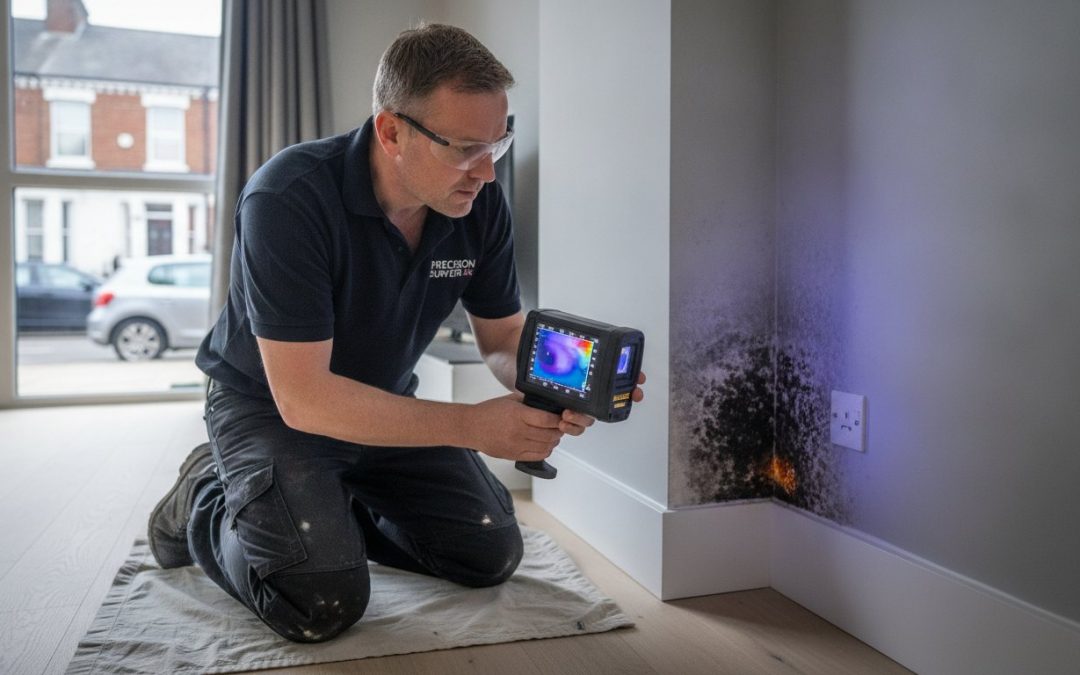
With the NHS spending an estimated £1.4 billion annually on treating illnesses related to poor housing, that persistent patch of dark spotting in your corner is far more than a cosmetic nuisance. You’ve likely spent weekends scrubbing surfaces only to watch the growth return, leaving you concerned about persistent respiratory issues and the structural integrity of your property. It’s a common frustration for many homeowners who find that standard cleaning fails to address the underlying moisture source.
Understanding the specific health risks of black mould in house UK environments is the first step toward reclaiming your living space. This specialist’s guide details the physiological impacts of spore exposure, from chronic coughs to heightened anxiety over property value. We’ll move beyond surface-level symptoms to examine how technical faults, such as saturated or defective cavity wall insulation, create the ideal conditions for fungal growth. By the end of this article, you’ll have a clear plan to identify the root cause of dampness and discover why professional extraction is the only reliable method for restoring long-term asset health and safety.
Key Takeaways
- Identify the biological nature of Stachybotrys chartarum and how its life cycle from dormant spores to active colonies impacts your indoor air quality.
- Understand the specific health risks of black mould in house UK environments, including the progression from minor respiratory irritation to chronic systemic issues.
- Recognize the link between structural failure and fungal growth, specifically how saturated cavity wall insulation provides a bridge for moisture to enter your home.
- Learn about the specialist diagnostic tools, such as hygrometers and thermal imaging, used to map moisture and locate the technical root cause of dampness.
- Discover why professional cavity wall insulation extraction is a necessary investment to permanently protect your health and restore the structural integrity of your property.
Understanding Black Mould (Stachybotrys chartarum) in UK Homes
The species known as Stachybotrys chartarum is a toxigenic fungus that requires high levels of moisture to flourish. In the UK, our traditional brick and mortar construction often facilitates this growth when moisture becomes trapped within the structure. This fungus feeds on high-cellulose materials, such as the paper backing on plasterboard, wallpaper paste, and timber floorboards. Understanding the health risks of black mould in house UK properties begins with recognizing that this is a biological failure within the building’s environmental control.
The life cycle of black mould is a persistent threat to property safety. It starts as dormant spores that can remain inactive for years until they encounter water. Once activated, these spores form colonies that eventually release secondary metabolites called mycotoxins. You might notice a distinct, musty odour before you see any visual evidence of growth. This smell is actually a microbial volatile organic compound (mVOC); it serves as a clear technical indicator of an active, hidden colony.
The Difference Between Mildew and Toxic Black Mould
Homeowners often confuse common mildew with more dangerous fungal growth. Mildew typically appears as a flat, powdery grey or white patch that stays on the surface of materials. In contrast, black mould is often slimy or gelatinous when wet and develops a soot-like appearance as it dries. Because this fungus requires constant moisture, it frequently hides in dark, unventilated voids. You’ll often find it behind heavy furniture, inside built-in wardrobes, or beneath damp carpets where condensation or structural leaks are most prevalent. Surface-level cleaning is insufficient because it fails to reach the root of the colony embedded within the substrate.
How Mould Spores Travel Through a Property
Respiratory and Systemic Health Risks of Prolonged Exposure
The physical response to fungal spores is often the first warning sign of a compromised property. When you inhale these microscopic particles, your immune system reacts immediately. This typically manifests as sneezing, persistent coughing, or wheezing. While these symptoms might seem like a seasonal allergy, the health risks of black mould in house UK properties are often more systemic. The annual cost to the NHS for treating illnesses related to poor housing in England is estimated at £1.4 billion, reflecting the serious nature of these environmental hazards. Prolonged exposure can lead to chronic asthma or hypersensitivity pneumonitis, a condition where the lungs become inflamed due to an allergic reaction to inhaled organic dusts.
The impact isn’t limited to the respiratory system. Many residents report red, itchy eyes and skin irritation. There is also a documented link between mould exposure and chronic fatigue. Beyond the physical symptoms, the mental health toll of living in an environment that feels “unhealthy” or “unsafe” is significant. The constant worry about property value and family safety creates a baseline of stress that affects daily wellbeing. A technical cavity wall survey is often the most effective way to determine if hidden moisture is the source of your poor indoor air quality.
Vulnerable Groups: Who is Most at Risk?
Certain demographics face much higher risks. The tragic case of Awaab Ishak highlighted the severe impact on infants and children, leading to the introduction of Awaab’s Law in 2026. This legislation now mandates strict timelines for landlords to address damp and mould issues within 14 days of a report. The elderly and those with pre-existing conditions, such as COPD or heart disease, are also highly susceptible. For immunocompromised individuals, even low levels of spore exposure can lead to serious fungal infections that require intensive medical treatment.
The Hidden Danger: Mycotoxins and Indoor Air Quality
While spores trigger allergies, many species of black mould produce mycotoxins. These are toxic chemical products that can be far more hazardous than the mould itself. Mycotoxins attach to dust particles and circulate throughout the home; they remain in the air even after you have wiped away visible growth. A wall that appears clean to the naked eye can still be a significant health hazard if the underlying structure remains damp and continues to release toxic particles into the living space. This is why surface cleaning never provides a permanent solution to a structural moisture problem.
The Structural Connection: Why Damp Walls Lead to Mould Growth
While many sources blame tenant lifestyle or simple condensation for fungal growth, the reality is often found within the building’s fabric. Cleaning surfaces or opening windows rarely provides a permanent solution because these actions don’t address the structural root causes. In many UK homes, the primary driver of persistent dampness is a technical failure within the wall cavity. When moisture remains trapped inside a wall, it creates a constant supply of humidity that fuels the health risks of black mould in house UK environments. This internal moisture source makes surface-level remediation efforts futile.
A major culprit is retrospective cavity wall insulation that has become saturated or has slumped over time. Cavities were originally designed to act as a barrier; they prevent rainwater from crossing from the outer masonry leaf to the inner leaf. When these gaps are filled with unsuitable materials, the insulation often acts as a moisture bridge. It allows external water to seep through, saturating the inner wall and providing the perfect habitat for mould colonies to thrive. Similarly, structural integrity issues like failing wall ties can cause horizontal cracking in mortar joints. These cracks facilitate penetrating damp that bypasses any internal ventilation improvements you might make.
The Risk of Retrospective Cavity Wall Insulation
Installing insulation into cavities not designed for it often results in significant “cold spots” across internal walls. These temperature imbalances lead to interstitial condensation, where moisture forms inside the wall structure rather than just on the surface. This hidden dampness is particularly problematic because it sustains mould growth behind plasterwork or under floorboards long before it becomes visible. We consistently find that the only effective remedy for this technical fault is the complete extraction of the defective material to restore the cavity’s original protective function and allow the structure to dry naturally.
Identifying Penetrating Damp vs. Condensation
Distinguishing between different types of damp is essential for a correct diagnosis. While condensation often appears as small droplets on cold surfaces, penetrating damp leaves distinct visual markers like tidemarks, blown plaster, or crumbling mortar. These signs indicate that water is actively entering the property through a structural defect or saturated insulation. To accurately map these moisture levels and identify hidden saturated zones, a professional damp survey is the necessary first step. This technical inspection uses specialized equipment to check for debris or wet insulation within the cavity, ensuring the resolution addresses the cause rather than just the symptom.

Professional Assessment: Beyond Surface-Level Mould Cleaning
Resolving the health risks of black mould in house UK properties requires a move away from superficial cleaning toward technical diagnostics. A professional assessment follows a methodical process to ensure the building’s future safety. This diagnostic approach begins with a technical property inspection to locate the precise moisture source. Specialists don’t just look for mould; they look for the reason it has successfully colonised the space.
We use specialist equipment, such as hygrometers and thermal imaging, to map dampness throughout the structure. These tools identify moisture gradients and cold spots that are invisible to the naked eye. Following this mapping, the inspection evaluates the condition of cavity insulation and structural wall ties. This is vital because, as previously discussed, saturated insulation is often the primary moisture bridge. The process concludes with a comprehensive report. This document details technical findings and provides specific remedial recommendations to restore the property’s health permanently.
Why DIY Mould Removal Often Fails
Many homeowners attempt to resolve the issue themselves, but DIY mould removal often fails. Scrubbing at colonies without professional PPE or proper containment systems can actually increase the spore load in your home. This process disturbs the mould, causing it to release millions of spores into the air currents. Additionally, using household bleach is frequently counterproductive. Bleach only removes the surface colour; it doesn’t kill the root system, known as hyphae, which remains embedded in porous plaster. This creates a cycle of regrowth where the mould returns as soon as environmental conditions allow.
What to Expect from a Professional Damp and Mould Survey
A standard visual check is not the same as an accredited technical survey. A specialist focuses on identifying the “path of ingress”—the exact route moisture takes to enter your living space. This involves checking for debris in the cavity or inspecting for wall tie corrosion that might be letting water through. For property owners, choosing the right dampness specialists is the most important step in ensuring a permanent resolution. If you suspect your home’s structure is compromised, you can book a technical survey to receive a definitive, no-nonsense diagnosis of your property’s condition.
Long-Term Remediation and Restoring Property Safety
Achieving a permanent resolution to dampness requires a technical shift from reactive cleaning to proactive structural restoration. While surface treatments might offer temporary visual improvement, they don’t address the environmental conditions that allow colonies to thrive. To mitigate the health risks of black mould in house UK residences, you must eliminate the moisture source at its origin. This often involves a combination of technical extraction and structural repair to ensure the building envelope remains watertight.
When a survey identifies that internal damp is caused by compromised materials within the wall, cavity wall insulation removal becomes a technical necessity. Saturated or degraded insulation acts as a permanent reservoir for moisture, making it impossible for the inner leaf of the wall to dry. Alongside extraction, we often perform wall tie replacement to fix horizontal cracking and prevent future water ingress. These repairs restore the structural integrity of the property, which is a vital investment in both your health and the long-term asset value of the home.
Following the removal of the moisture source, specialists apply biocidal treatments to sterilise the affected internal areas. These professional-grade solutions penetrate the substrate to eradicate any remaining hyphae that surface cleaners cannot reach. This process, combined with permanent structural drying, restores comfort and ensures that the air quality within your home meets safety standards.
The Process of Specialist Insulation Extraction
Our technicians use a methodical, non-disruptive process to remove wet or degraded material. We access the cavity through small, strategically placed holes in the external mortar joints, ensuring we don’t damage the property’s fabric. High-pressure air and industrial vacuums extract the material, while we use borescope cameras to verify the cavity is completely clear of debris. This thoroughness is essential; even small amounts of leftover wet insulation can sustain a cold spot and allow mould to return. By clearing the cavity, we restore the natural air barrier that starves fungal colonies of their required moisture.
Creating a Healthy Home for the Future
Securing Your Property and Health for the Long Term
Protecting your home from environmental hazards requires a move from temporary fixes to technical solutions. We’ve established that black mould isn’t just an aesthetic issue; it’s a biological indicator of structural moisture, often trapped within saturated wall cavities. Addressing the health risks of black mould in house UK properties means identifying the technical path of moisture ingress and removing the materials that sustain fungal growth. By focusing on the structural integrity of your building, you ensure a dry, safe environment that protects your family’s respiratory health and your property’s long-term value.
Our accredited technical surveyors provide detailed reports that go beyond surface observations to find the root cause of dampness. Whether the issue stems from failed wall ties or degraded insulation, we offer the specialist expertise needed to restore your home’s comfort. As a nationwide UK service provider, we take pride in rectifying structural faults with a clean, non-disruptive methodology that serves as a vital investment in your property’s future.
Book a Professional Damp and Mould Survey with CavClear today. You can regain control over your living environment and enjoy the peace of mind that comes with a permanent, professional resolution.
Frequently Asked Questions
Is black mould always toxic to humans?
Not all species of black mould produce toxins, but many common types, such as Stachybotrys chartarum, release mycotoxins that are hazardous to human health. Medical professionals agree that all fungal growth in the home should be treated as a significant risk. Even non-toxic moulds trigger allergic reactions and respiratory distress, making prompt identification and removal essential for occupant safety.
Can I stay in my house if I have black mould?
You can typically remain in the property if the growth is localized, but large-scale infestations require professional evaluation. Vulnerable individuals, including infants, the elderly, and those with compromised immune systems, face higher risks and may need to relocate during remediation. Under Awaab’s Law, landlords must inspect reported dampness within 14 days to determine if the environment is fit for habitation.
How long does it take for black mould to affect your health?
Reactions can occur within hours for sensitive individuals, while others may not notice symptoms for several weeks. The health risks of black mould in house UK properties are often cumulative, meaning prolonged exposure increases the likelihood of developing chronic conditions like asthma. Consistent inhalation of spores over months leads to a higher risk of systemic issues and long-term respiratory inflammation.
Does a dehumidifier stop black mould from growing?
A dehumidifier only manages ambient air moisture and cannot stop mould growth caused by structural failures. While it might reduce surface condensation, it doesn’t address the root cause of dampness, such as saturated cavity wall insulation or penetrating damp. To permanently stop growth, you must identify and fix the technical fault that is allowing moisture into the building fabric.
What are the first signs of mould-related illness?
The earliest indicators are usually upper respiratory symptoms that mimic common seasonal allergies. You might experience persistent sneezing, a dry cough, or red, itchy eyes that don’t improve with standard allergy medication. These symptoms often worsen when you’re in specific rooms where the spore load is highest, indicating that the health risks of black mould in house UK environments are actively affecting your wellbeing.
Why does the mould keep coming back after I clean it?
Mould returns because surface cleaning doesn’t remove the root system, or hyphae, that is embedded deep within porous materials like plaster. If the underlying moisture source remains active, the colony will regrow as soon as the cleaning agent dissipates. Permanent resolution requires a technical survey to locate the moisture ingress and a plan to dry the structure completely.
How much does a professional mould survey cost in the UK?
A professional mould inspection typically costs between £100 and £300 according to 2026 market data. This fee covers a technical assessment that often includes moisture mapping and air quality testing. It’s a vital investment that provides a clear diagnostic report, distinguishing it from a basic visual check that might miss hidden structural dampness within the wall cavities.
Can failed cavity wall insulation cause black mould?
Failed or saturated cavity insulation is a primary driver of internal mould growth in UK homes. When insulation material slumps or becomes wet, it creates a bridge that allows moisture to travel from the external leaf to the internal wall. This technical failure keeps the inner wall permanently damp, providing the constant moisture supply that black mould requires to thrive and spread.
Recent Comments