
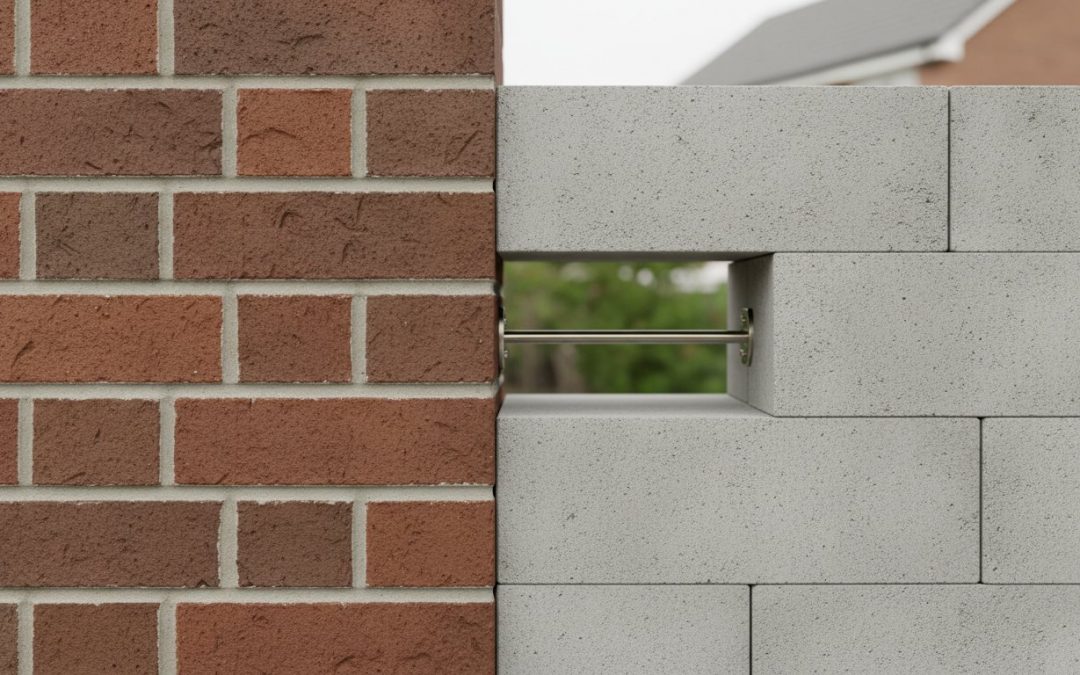
The empty space between your bricks is actually the most critical line of defence against the British weather. While it seems counterintuitive, the 15.6 million cavity wall properties across the UK depend on this void to remain structurally sound. Understanding what is cavity walls and their specific engineering purpose helps you identify why moisture might be penetrating your living space. You’ve likely noticed unexplained damp patches or felt concerned by small, horizontal cracks appearing in your mortar; these often signal that the internal environment of your walls is compromised.
We understand how unsettling it is to see your home’s integrity decline. You deserve a property that remains dry and secure regardless of the season. This specialist guide will clarify the structural role of your walls, teach you how to identify your specific construction type, and explain why a clear air gap is vital for preventing damp. We’ll examine the signs of failing wall ties and provide the knowledge you need to manage your home’s health with confidence. By the end of this article, you’ll know exactly how to protect your investment for the long term.
Key Takeaways
- Learn exactly what is cavity walls and how their dual-layer masonry design serves as a critical weather shield to protect your home’s structural integrity.
- Discover the two reliable methods for identifying cavity construction, including inspecting brickwork patterns and measuring wall depth at door or window reveals.
- Recognise the structural importance of wall ties in binding masonry leaves together and preventing hazardous bowing or external wall collapse under wind pressure.
- Understand why maintaining a clear, unobstructed air gap is the most effective defence against penetrating damp and the structural risks posed by internal debris.
- Learn how specialist surveys and the professional extraction of debris can restore your property’s moisture protection and ensure long-term property health.
Understanding the Basics: What is a Cavity Wall?
Most British homes constructed after 1920 feature a specific architectural design intended to combat the damp, temperate climate of the United Kingdom. To understand the root cause of many modern damp issues, one must first grasp what is a cavity wall and why its structural integrity is vital for your home. Unlike the solid stone or brick walls found in Victorian terraces built before 1900, a cavity wall consists of two distinct layers of masonry. These layers, known as leaves, are separated by a hollow space that serves as a dedicated buffer zone between your living space and the external environment.
The external leaf serves as the primary weather shield. It’s designed to take the brunt of wind-driven rain and frost. While this outer layer is durable, masonry is naturally porous. During a typical British winter, where rainfall can exceed 150mm per month in some regions, the outer brickwork becomes saturated. The central gap, or cavity, is the critical feature that prevents this moisture from reaching the interior of your property. In UK homes, this gap typically measures between 50mm and 100mm. It creates a physical break that stops liquid water from tracking through the wall via capillary action.
Our specialists often find that homeowners are unaware of the complexity within their walls. When investigating property health, understanding what is cavity walls construction helps clarify why internal dampness often stems from debris or blockages within this 75mm void. If this space is compromised, the protective benefits are lost, leading to structural degradation and unhealthy living conditions.
The Primary Purpose of the Wall Cavity
The primary function of the cavity is moisture control. By separating the two leaves, the design ensures that any water penetrating the external brickwork drops down the internal face of the outer leaf and exits through weep holes, rather than ‘bridging’ to the inside. Thermal performance is another critical factor. Because still air is a natural insulator, the cavity helps regulate the temperature of the internal leaf. This reduces heat transfer by approximately 35% compared to solid walling. Finally, the cavity facilitates pressure equalisation. This reduces the physical force of wind-driven rain against masonry joints, which prevents water from being pushed deep into the mortar beds during storms.
Anatomy of the Leaves: Inner vs. Outer
The external leaf is usually built from high-quality facing bricks or stone. It’s chosen for its aesthetic appeal and its ability to withstand expertze-thaw cycles. In contrast, the internal leaf provides the main structural support for the building’s floors and roof. In roughly 85% of modern UK builds, this inner layer is constructed from high-density concrete blocks or secondary bricks. These materials are excellent for load-bearing but are highly susceptible to moisture damage if the cavity is bridged. This ‘hollow centre’ is the defining characteristic that separates these properties from older, solid-walled buildings. Maintaining the cleanliness of this hollow centre is the only way to ensure the internal leaf remains dry and structurally sound for the long term.
How to Identify if Your Property Has Cavity Walls
Determining the construction type of your home is the first step in maintaining its structural integrity and ensuring effective moisture control. Homeowners often ask what is cavity walls when they notice damp patches on internal plasterwork; essentially, it’s a system comprising two separate masonry layers with an air gap between them. This design was specifically engineered to prevent external moisture from reaching the interior of the building. As a nationwide specialist, we find that identifying this construction correctly is vital before any remedial work begins.
Property age serves as a reliable initial indicator for most UK residents. If your home was built after 1930, it’s highly likely to have cavity walls. While some experimental cavity constructions exist from the late Victorian era, the 1930s marked the period where this method became the industry standard to combat the limitations of solid wall dampness. Properties built before 1920 are predominantly solid wall construction, which requires a completely different approach to ventilation and insulation management.
Brick Patterns: Stretcher Bond vs. Flemish Bond
A primary indicator of your wall type is the visible pattern of the bricks on the exterior of the house. Stretcher bond is the most common pattern found in cavity construction. In this layout, all bricks are laid lengthwise, showing only their long sides (stretchers) to the outside. This uniform appearance suggests that the outer leaf is a single skin of brickwork, which is almost always supported by an internal leaf with a gap in between.
Solid walls typically utilise a Flemish or English bond pattern. These designs feature “headers,” which are bricks laid with their short ends facing outwards to bridge the thickness of the wall. Because these headers tie the front and back of the wall together, there’s no room for a cavity. Beyond aesthetics, the distinction is critical; solid walls rely on breathability, whereas cavity walls rely on the air gap to break capillary action. If you’re unsure about your brickwork, a professional cavity assessment can provide the clarity needed to protect your home’s value.
Measuring Wall Depth at Apertures
Measuring the thickness of your walls at a window or door frame provides concrete data regarding the internal structure. You can do this easily with a standard tape measure by opening a window and measuring from the external brick face to the internal plaster. Cavity walls are significantly wider than their solid counterparts to accommodate the two layers of masonry and the essential 50mm to 100mm air space.
Solid walls usually measure approximately 230mm (9 inches) thick. In contrast, a standard cavity wall will typically exceed 270mm, often reaching 300mm or more in modern builds. If your measurement falls into this higher bracket, you’ve confirmed the presence of a cavity. These dimensions are standard across the UK construction industry and serve as a non-invasive way to understand your property’s blueprint.
Another telltale sign of cavity construction is the presence of weep holes. These are small, vertical gaps left in the mortar between bricks, usually located just above the damp proof course or above window frames. These gaps are essential damp-proofing measures that prevent water from bridging the internal leaf by allowing moisture to escape the cavity. If you see these vents, your home is designed with a cavity system that must remain clear of debris to function correctly. Understanding what is cavity walls and how they breathe is the first step in preventing the long term decay associated with blocked or contaminated voids.
The Critical Role of Wall Ties in Structural Stability
To understand the structural risks associated with property neglect, one must first understand what is cavity walls construction and how the internal components interact. Wall ties are the invisible metal connectors that bind the internal and external leaves of a property together. While they remain hidden from view within the void, they’re the primary component preventing the external brickwork from bowing outwards or collapsing under wind pressure. These ties act as a bridge, transferring lateral loads between the two skins of masonry to ensure the building remains a single, rigid unit.
When these ties fail, the two leaves begin to act independently. This is a dangerous scenario for any property. The external leaf effectively becomes a slender, expertstanding wall that’s no longer supported by the weight and stability of the internal load-bearing structure. In a typical UK gale, wind suction can pull on this outer skin with significant force. Without the “stitching” effect of the ties, the risk of a sudden structural failure increases. Most properties built after 1981 use stainless steel ties which offer high resistance to corrosion. However, millions of UK homes constructed between 1920 and 1980 contain iron or galvanised steel ties. These older materials are highly susceptible to oxidation, especially when moisture is trapped against them by wet debris or failing insulation.
If you’re unsure about the construction of your property, learning how to identify cavity walls is a vital first step in assessing your maintenance needs. Understanding what is cavity walls and the specific materials used in your home’s ties can help you predict potential structural issues before they manifest as visible damage.
Signs of Wall Tie Failure and Corrosion
Identifying wall tie failure early can save a homeowner thousands of pounds in masonry repairs. Corrosion is a progressive issue that often starts with subtle visual cues. You should monitor your property for the following indicators:
- Horizontal cracking: When iron ties rust, they expand to nearly seven times their original thickness. This physical expansion forces the mortar joints apart, creating distinct horizontal cracks every 450mm to 900mm.
- Bulging or bowing: This is most common on gable ends where wind loads are highest. You may notice the brickwork appears to “belly” outwards when viewed from a side profile.
- Roof movement: In advanced cases, the outward movement of the external leaf causes the lifting of roof edges or creates visible gaps where the wall meets the soffits and fascias.
The Importance of a Wall Tie Survey
Visual inspections from the ground can’t accurately determine the condition of the metal within the wall. A specialist must use a borescope camera to look inside the void to check for thinning, “snapping,” or heavy rust scales. Early detection is vital because it prevents the need for an expensive rebuilding of the external leaf, which can cost upwards of £12,000 for a single elevation on a standard semi-detached home. A wall tie survey is a non-invasive technical inspection using specialised cameras to assess metal integrity.
By identifying these issues during a routine cavity cleaning or inspection, we can install remedial stainless steel ties to secure the property. This proactive approach ensures the long-term health of the building and provides peace of mind that the structural “skeleton” of your home is sound. We focus on rectifying these faults using industry-standard techniques that restore the bond between your masonry leaves without damaging the aesthetic of your brickwork.

Why a Clear Cavity is Essential for Damp Prevention
The primary function of a cavity is to act as a physical break between the external elements and your internal living space. In the United Kingdom, driving rain frequently saturates external brickwork. Without a clear 50mm air gap, this moisture travels directly through the masonry to your interior walls. Understanding what is cavity walls and their structural purpose is the first step in protecting your home. A clear cavity allows for natural ventilation; this ensures any moisture that enters the gap evaporates quickly before it can cause structural damage.
Maintaining this empty space is the most effective way to prevent penetrating damp. When the air gap is clear, the internal leaf of the building remains dry and thermally stable. If this gap is compromised, the building loses its ability to regulate moisture. Our specialist teams often find that properties built between 1920 and 1980 are particularly susceptible to these issues because of the construction methods used at the time. A clean cavity isn’t just a preference; it’s a requirement for the long-term health of British masonry.
The Risks of Blocked Cavities
During the original construction of many homes, mortar droppings, commonly known as “snots,” frequently fall to the bottom of the wall. These accumulate on the wall ties or settle on the Damp Proof Course (DPC). This debris creates a physical bridge that allows ground moisture or penetrating rain to bypass the DPC. When a property has had retrospective insulation installed, the risk of dampness increases significantly. This material often acts like a sponge, drawing moisture across the gap and holding it against the inner skin. Saturated insulation can lead to a 35% reduction in thermal performance and provides the damp conditions necessary for black mould to thrive indoors.
Identifying Damp Bridging Issues
Homeowners should look for specific indicators that their wall cavities are no longer functioning correctly. Common signs include:
- Cold spots: These are areas on internal walls that feel significantly colder to the touch. In many cases, these spots measure 2 to 3 degrees Celsius lower than the surrounding wall surface when checked with thermal imaging.
- Persistent mould: If black mould continues to grow in specific patches despite improved room ventilation, it’s likely a sign of an external moisture bridge.
- Efflorescence: These are white, salty deposits appearing on the external brickwork. They indicate that moisture is trapped within the cavity and is carrying minerals to the surface as it tries to evaporate.
- Damp patches at floor level: This often suggests that debris has piled up above the DPC, allowing moisture to rise into the internal skirting boards.
A clear, ventilated cavity is a breathing cavity. When we perform an extraction, we restore the building’s natural ability to manage water. Our specialist teams operate across the entire United Kingdom, using non-invasive techniques to remove rubble, mortar, and failed insulation. We focus on structural integrity and the restoration of your home’s original design. By removing these obstructions, we provide a permanent solution to damp issues that topical treatments simply cannot fix. This process is a vital investment in the future of your property, ensuring it remains dry and energy-efficient for decades to come.
Maintaining Your Cavity Walls: Surveys and Remedial Care
Understanding what is cavity walls and how they function is the foundation of effective property maintenance. A standard cavity wall consists of two masonry layers separated by a hollow space, typically measuring 50mm. This gap serves as a vital barrier against moisture penetration. For properties across the United Kingdom, environmental exposure often leads to debris accumulation within this void. Regular inspections are essential for nationwide homeowners because wind-driven rain forces moisture across bridge points created by mortar droppings or rubble. When this happens, the protective function of the wall fails, leading to internal damp and mould growth.
Cavity cleaning, or the professional extraction of debris, is the primary method to restore your home’s defences. By removing blockages, specialists ensure that the air gap remains clear, allowing moisture to drain away naturally through weep holes. This process is particularly critical when dealing with wall tie corrosion. Original mild steel ties used in 20th-century builds often rust over time. As these ties oxidise, they can expand to seven times their original thickness, causing structural instability and horizontal cracking in your masonry. Remedial care involves installing new, high-grade stainless steel ties and isolating the old ones to prevent further damage. A professional survey provides a detailed, evidence-based report that is often required for insurance renewals or mortgage approvals, giving you the documentation needed to prove your home’s structural health.
What Happens During a Cavity Wall Survey?
The diagnostic process is methodical and focuses on accuracy without causing disruption. Technicians drill small 12mm holes into the mortar joints at strategic points across the elevation. A high-definition borescope camera is then inserted into the gap, allowing the specialist to view the internal condition of the cavity in real time. We check for rubble bridges, the state of the wall ties, and the presence of any defective or wet insulation. This process is entirely non-invasive and provides the technical data required to identify the root cause of damp issues rather than just treating the symptoms. Because the fundamental design of what is cavity walls relies on an empty air gap, any obstruction identified during the survey is a serious risk to the property.
Why Choose a Specialist for Remedial Works?
General builders rarely possess the industrial extraction equipment required for deep cavity cleaning. Our technicians use high-powered vacuum units and compressed air tools specifically designed to remove debris from the tight 50mm space without damaging the brickwork. Choosing an accredited specialist ensures that all structural repairs meet current UK building standards and provide long-term reliability. We focus on restoring your property’s thermal efficiency and structural integrity through proven engineering methods. It’s an investment that prevents the degradation of your masonry and ensures a dry, healthy living environment. Protect your home’s structural integrity by booking a specialist cavity survey with CavClear today.
Ensuring the Longevity of Your UK Property
Understanding what is cavity walls and how they function is vital for every homeowner. These dual-layer structures rely on two critical factors: the integrity of metal wall ties and a cavity that’s completely expert from debris. When internal obstructions or corroded ties compromise this space, the risk of damp penetration and structural instability increases significantly. Maintaining a clear, dry cavity is the only way to ensure your home remains thermally efficient and safe for years to come.
CavClear provides the expert technical reporting you need to identify hidden faults before they become costly repairs. We’re accredited nationwide specialists with over 7 years of specialist remedial experience, focusing on precision and long-term property health. Our surveyors use non-invasive techniques to assess your home’s condition, providing a transparent path to restoration without the need for alarm. You’ll receive a detailed report that outlines exactly what’s happening behind your brickwork. Professional oversight ensures your peace of mind and protects the value of your investment.
Secure your property’s future with a professional wall tie and cavity survey from CavClear. It’s a proactive step toward a drier, safer home.
Frequently Asked Questions
What is the difference between a cavity wall and a solid wall?
A cavity wall consists of two separate layers of masonry with a 50mm to 100mm gap between them, whereas a solid wall is a single, continuous thickness of brickwork. When homeowners ask what is cavity walls, they’re usually referring to this dual-skin construction designed to prevent moisture from reaching the interior. Solid walls, common in pre-1920 properties, are typically 225mm thick and lack this protective air space.
How do I know if my cavity wall insulation is causing damp?
You can identify failing cavity wall insulation by specific damp patterns or cold spots on your internal walls. If the insulation material has slumped or become saturated, it bridges the gap and allows moisture to travel from the outer leaf to your living space. Look for damp patches at the 1.2 metre level or black mould growth, which indicates the cavity is no longer functioning as a thermal barrier.
Can cavity walls collapse if the wall ties fail?
Structural collapse is a genuine risk if the metal wall ties corrode and fail to secure the two leaves of the wall together. These ties are essential for stability; without them, the outer brickwork can bulge outward or peel away entirely during high winds. Statistics from UK building surveys suggest that 15% of homes built before 1981 suffer from some degree of wall tie oxidation that threatens structural integrity.
Is it possible to remove debris from inside a cavity wall?
It’s entirely possible to remove debris from a cavity using non-invasive specialist extraction techniques. Our team uses high-velocity suction equipment and 12.5mm access points to clear mortar snots, rubble, and failed insulation from the base of the wall. This process restores the 50mm clear air space required for effective moisture drainage and prevents damp issues from bypassing your damp proof course.
What is a wall tie survey and how often do I need one?
A wall tie survey involves a borescope inspection of the cavity and should be conducted every 25 years for peace of mind. Our specialists use 10mm drill holes to insert a camera and assess the condition of the zinc coating on your ties. This 45-minute diagnostic check provides a clear report on whether your structural fixings require replacement or if they’re fit for another two decades of service.
What happens if a cavity wall is built without weep holes?
A cavity wall built without weep holes will trap moisture within the 50mm gap, leading to internal damp and potential timber rot. These small openings, typically spaced every 450mm above lintels and at the base of the wall, allow water to escape the structure. Without them, hydrostatic pressure forces water through the inner leaf, often resulting in damp patches appearing above windows and doors.
Why is my 1930s house feeling damp despite having cavity walls?
Your 1930s house likely feels damp because the 50mm cavity has become bridged by mortar droppings or rubble over the last 90 years. Even though the property was designed with a gap, decades of construction debris at the foot of the wall allow moisture to travel across the cavity. Understanding what is cavity walls and how they accumulate debris is the first step in restoring your home’s thermal efficiency and comfort.
Can you replace wall ties without taking the wall down?
You can replace wall ties using remedial stainless steel fixings without the need for any structural demolition or taking the wall down. We drill 10mm pilot holes through the outer leaf and into the inner leaf, then install mechanical or resin-bonded ties to restore structural integrity. This method is 70% faster than rebuilding and ensures your home remains stable for the long term with a professional guarantee.
Recent Comments