
What if the “minor” damp patch noted in your homebuyer’s report is actually the only thing standing between you and your new home? It’s frustrating when a lender pauses your application, but they’re simply protecting their investment against underlying structural risks. You’re likely worried about the mortgage offer being withdrawn or the potential cost of remedial works identified in a damp survey for mortgage purposes. This is a common hurdle in the UK property market, particularly with the stricter 2026 housing standards now in effect.
This guide provides a clear path to resolving these concerns by explaining why lenders demand specialist diagnostics and how a factual, expert report can actually facilitate your purchase. You’ll gain a professional understanding of your property’s health and how to satisfy lender requirements with precision. We’ll break down the specific elements of a lender-approved report, the impact of the latest Decent Homes Standard regulations, and how to differentiate between superficial symptoms and serious structural faults that require methodical resolution. Our focus is on long-term asset health and ensuring your investment remains secure for the future.
Key Takeaways
- Learn why lenders view moisture as a significant risk to loan security and why they require a specialist damp survey for mortgage purposes to protect their investment.
- Discover how advanced diagnostic tools like thermal imaging and borescopes provide a level of technical depth that general home surveys cannot achieve.
- Understand the critical difference between independent specialists and general contractors when seeking an unbiased assessment of a property’s structural health.
- See how a professional survey report serves as a powerful tool for price negotiation and provides a clear technical roadmap for essential repairs.
- Gain insight into how identifying issues early, such as failing wall ties or breached damp proof courses, ensures the long-term structural integrity of your property.
Why Mortgage Lenders Require a Specialist Damp Survey
A damp survey for mortgage purposes is a focused technical investigation. It’s usually triggered when a general surveyor identifies moisture symptoms during a standard valuation. While a homebuyer’s report provides a broad overview of a property’s condition, it lacks the diagnostic depth required to identify the root cause of moisture ingress. Lenders require this specialist report to quantify the risk before they finalize a loan agreement. It’s a protective measure that ensures the property is structurally sound and worth the price you’re paying.
Lenders view structural dampness as a primary threat to loan security. From an underwriter’s perspective, damp is a liability that can lead to rapid asset depreciation. If moisture is allowed to compromise the building fabric, the property’s market value could drop below the outstanding loan amount. To mitigate this risk, lenders often apply a mortgage retention. This means they withhold a portion of the mortgage funds until a specialist confirms the extent of the issue or until necessary remedial works are completed. It’s a safety mechanism that prevents you from inheriting a failing structure without a clear plan for restoration.
When a general surveyor carries out a Level 2 or Level 3 Home Survey, they use basic moisture meters to check for surface damp. These devices often produce high readings that don’t necessarily indicate a serious fault. However, the surveyor must flag these readings to the lender. A specialist damp investigation goes much further. It uses calibrated equipment and invasive techniques, such as borescope inspections, to look inside the wall cavities. This methodical approach separates superficial condensation from deep-seated structural faults, providing a factual basis for the lender’s decision.
Protecting the Lender’s Asset and Your Investment
Financial institutions prioritize structural integrity because they need to know the property will last the full term of the mortgage. Certain conditions can make a property effectively unmortgageable if they aren’t addressed. Severe dry rot, widespread timber decay, or significant wall tie failure are deal-breakers for most lenders. A specialist report identifies these “unmortgageable” conditions before you exchange contracts. It provides a technical roadmap for property preservation, ensuring that your investment is protected from the start. By diagnosing the true state of the building, we help restore the lender’s confidence in the asset’s long-term health.
Common Red Flags in a Standard Home Survey
General surveyors look for specific warning signs that indicate the building envelope is failing. These red flags often include:
- High moisture readings: Elevated levels on internal walls often lead to a “suspected rising damp” tag in the report.
- Timber decay: Signs of softening or fungal growth in floor joists and roof timbers suggest a lack of ventilation or active leaks.
- External indicators: Failing mortar joints, blocked wall cavities, or visible rust on wall ties suggest that water is penetrating the outer leaf of the masonry.
Identifying these issues early is vital for maintaining the efficiency and safety of the property. A specialist survey will determine if these red flags are isolated incidents or symptoms of a wider systemic failure that requires professional intervention.
Key Areas Covered in a Mortgage-Grade Damp Inspection
A professional damp survey for mortgage purposes utilizes moisture mapping to create a technical profile of the building’s moisture levels. Our nationwide specialists use calibrated diagnostic tools to measure moisture at various depths within the masonry, rather than relying on the surface-level readings found in general valuation reports. This data allows us to distinguish between temporary condensation and persistent structural faults. By establishing a baseline of moisture readings across the entire floor plan, we can identify anomalies that suggest a specific breach in the building’s defensive envelope.
The external building envelope receives a methodical evaluation during this process. We inspect the damp proof course (DPC) to ensure it hasn’t been bridged by high ground levels, new paving, or accumulated debris. Blocked gutters, failing mortar joints, and cracked render are documented as these are primary entry points for water. Our team also looks for evidence of wall tie corrosion, which often manifests as horizontal cracking in the mortar. These external defects are not just cosmetic; they are the primary drivers of internal deterioration and structural instability.
Internally, we evaluate the balance of ventilation and heating to rule out atmospheric moisture issues. Hygroscopic salts are a key indicator during this phase. These salts often remain in the plaster long after a leak is resolved, continuing to draw moisture from the air and creating persistent damp patches. We also conduct sub-floor inspections where access allows. We check for adequate airflow through air bricks to prevent the stagnant, humid conditions that lead to timber rot in floor joists. Ensuring sub-floor voids are clear of debris is vital for the long-term asset health of any UK property.
Identifying Rising and Penetrating Dampness
Rising damp occurs when ground water travels upwards through porous masonry via capillary action, often leaving a distinct tide mark on internal walls. This is a specific failure of the DPC or the masonry itself. In contrast, penetrating damp is the result of external water ingress through structural vulnerabilities. This might be caused by a slipped roof tile or a hairline crack in the brickwork that allows driving rain to soak through the outer leaf. Our diagnostics differentiate these two issues to ensure the remedy is effective rather than just a cosmetic patch.
Evaluating Cavity Wall Integrity and Insulation Issues
Modern moisture problems are frequently linked to the condition of the cavity itself. When debris, known as snots, accumulates on wall ties during construction, it creates a physical bridge for water to cross from the outer leaf to the inner leaf. Defective or wet cavity wall insulation significantly worsens this problem by holding water against the internal wall. This saturated material prevents the cavity from breathing and leads to cold spots and mold growth. In many cases, cavity wall insulation removal is the only permanent fix for these issues. Removing the failed material restores the cavity’s original function as a moisture barrier. A professional CavClear survey can pinpoint these hidden bridge points before they cause irreversible damage to the building fabric.

Choosing Between Independent Specialists and General Contractors
Choosing the right professional determines whether your mortgage application proceeds or stalls. When a lender requests a damp survey for mortgage purposes, they expect a report from an expert who lacks a financial interest in the subsequent remedial work. This distinction is critical. An independent specialist provides a factual assessment of the property’s health without attempting to sell unnecessary chemical treatments or localized patches that fail to address the root cause.
Independent specialists offer a level of transparency that general contractors often cannot match. Their methodology relies on high-end diagnostics rather than visual guesswork. Lenders prioritize these reports because they are unbiased. If a surveyor suggests that a damp issue is caused by a bridged cavity rather than rising damp, the lender knows the advice is based on technical data rather than a desire to quote for a new damp proof course. This professional integrity protects your future investment from poor workmanship and misdiagnosis.
Lenders prioritize reports from specialists who hold specific technical qualifications and comprehensive professional indemnity insurance. This insurance is a non-negotiable requirement for lender-approved documentation. It provides a layer of security for the financial institution, ensuring that if a diagnosis is incorrect, there is a clear path for recourse. You should always verify that your chosen surveyor holds professional indemnity insurance specifically for damp and timber reporting before they arrive on site.
General builders typically lack the specialist moisture diagnostic equipment used by dedicated surveyors. While a builder might be skilled at laying bricks, they rarely possess the calibrated moisture meters, thermal imaging cameras, or borescopes needed for a mortgage-grade inspection. Relying on a generalist often results in surface-level observations that fail to satisfy an underwriter’s technical queries. This leads to delays in the mortgage process and may even result in the lender requesting a second, more expensive survey from a specialist.
The Importance of Technical Expertise and Insurance
Accurate diagnosis requires a deep understanding of the building’s fabric. This includes knowing what is a cavity wall and how its specific design influences moisture movement. A specialist knows that a cavity is meant to be a clear air space. If that space is compromised by debris or failing insulation, the resulting dampness requires a different solution than a standard solid wall property. Professional indemnity insurance ensures these complex technical conclusions are backed by a formal standard of care, giving the lender the confidence they need to release funds.
Why “no-obligation” Surveys Often Fail Lender Scrutiny
The appeal of a “expert” survey is often overshadowed by the inherent conflict of interest. Remedial contractors offer these surveys as a sales tool to generate work for their own teams. Lenders are increasingly aware of this bias and frequently reject reports that appear to be structured toward selling a specific product or treatment. Paying for a professional, independent damp survey for mortgage purposes acts as an insurance policy. It guarantees that the findings are objective, which is the only way to secure a clear path to resolving structural damp issues without overpaying for unnecessary repairs.
The Damp Survey Process and Report Requirements
A professional damp survey for mortgage purposes follows a methodical five-step protocol designed to provide the technical certainty required by lenders. We begin with the initial enquiry, where we gather data from your standard Home Survey report. This allows our nationwide specialists to target the specific areas of concern flagged by the general surveyor. By understanding the initial findings, we ensure that our specialist investigation is both efficient and comprehensive, addressing the underwriter’s queries from the outset.
The second stage is the on-site inspection. This is a technical diagnostic session where we use moisture mapping to identify the movement of water through the building fabric. Following this, we perform detailed timber probing. This involves testing the structural integrity of floor joists and roof timbers to identify any presence of fungal decay or wood-boring insects. Once the data is collected, we move to the analysis phase, where we produce a formal written report. The final step is the delivery of this document to you, your solicitor, and the mortgage lender to facilitate the release of any retained funds.
On-Site Diagnostics and Specialist Equipment
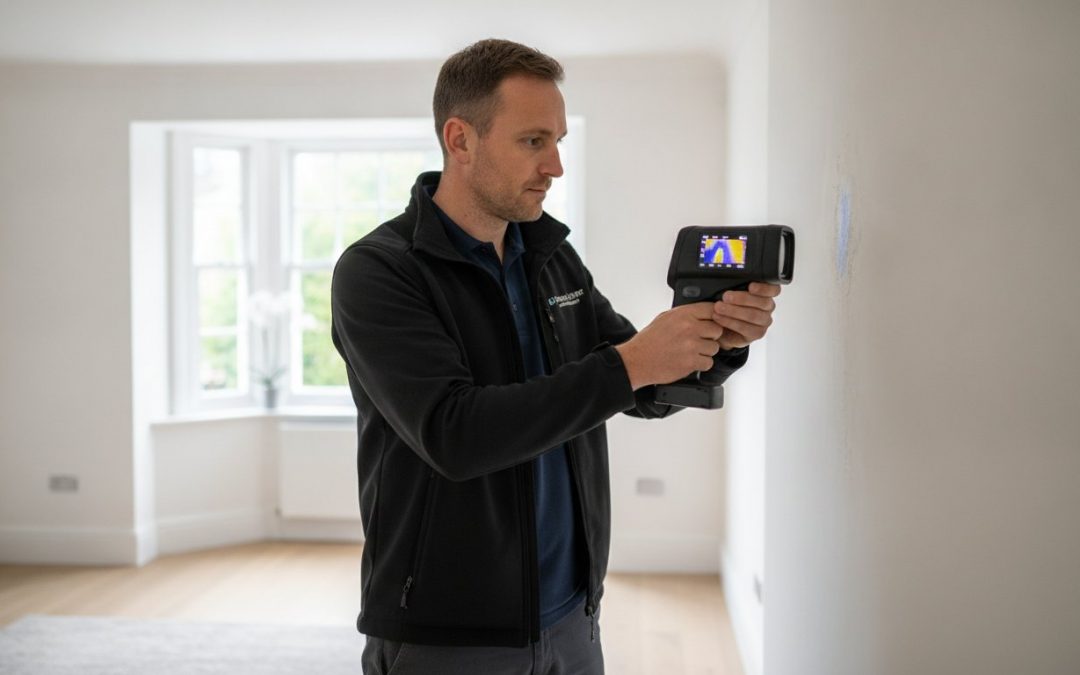
Our specialists utilize advanced technology to look beyond surface-level symptoms. Thermal imaging cameras identify cold spots and hidden moisture paths that are invisible to the naked eye. These tools highlight areas where saturated insulation or debris in the cavity is creating a thermal bridge. We also use high-definition borescopes to inspect the internal condition of the wall cavities. Borescope inspections allow surveyors to see inside the wall without significant disruption. This non-invasive technique is essential for evaluating the condition of wall ties and identifying blockages that lead to penetrating damp. For a definitive assessment of your property’s structural health, you can book a specialist CavClear survey to satisfy your lender’s requirements.
Interpreting the Final Survey Report for Your Lender
A mortgage-grade report must be clear, factual, and devoid of ambiguity. Underwriters look for a distinction between “essential repairs,” which affect the immediate security of the loan, and “remedial recommendations” for long-term maintenance. Our reports provide indicative costs for any necessary specialist works, allowing you to understand the financial implications before you exchange contracts. We ensure the report uses the precise wording requested by the underwriter, focusing on structural stability and the restoration of a dry environment. This professional clarity often prevents further delays and helps secure your mortgage offer by providing a transparent roadmap for the property’s future health.
Resolving Specialist Damp Issues and Securing Your Mortgage
Receiving the final report marks the transition from investigation to resolution. A professional damp survey for mortgage purposes provides a factual basis for price negotiations. If the surveyor identifies essential structural repairs, you can use the indicative costs within the report to request a reduction in the property purchase price. This ensures that the financial burden of restoring the building’s integrity falls on the current value of the asset rather than your future savings. Lenders appreciate this proactive approach because it demonstrates that the funds for necessary remedial works are secured before the completion of the sale.
Hiring accredited technicians for these repairs is a requirement for most financial institutions. General builders often lack the specific equipment and technical training needed for high-stakes structural tasks. For example, wall tie replacement requires precision and a deep understanding of masonry stress points. If these ties are installed incorrectly, the structural stability of the property remains at risk, which may lead the lender to maintain their retention on your funds. We ensure that every remedial action follows a methodical, industry-standard process that satisfies the most stringent underwriter requirements.
It’s vital to note that we never recommend the installation of retrospective cavity wall insulation as a solution for dampness. While often marketed as an efficiency measure, injecting material into an existing cavity frequently creates moisture bridges and accelerates wall tie corrosion. This practice compromises the building’s ability to shed water and can lead to the very issues a mortgage lender wants to avoid. Instead, we focus on restoring the original design of the building envelope to ensure long-term asset health.
Professional Remedial Works and Long-Term Assurances
Restoring a property often requires the removal of failed materials that hinder the building’s natural breathability. Cavity wall insulation extraction is a primary tool in our methodology. By removing saturated or debris-filled insulation, we allow the cavity to function as a clear moisture barrier once again. This process eliminates cold spots and prevents the internal transfer of dampness. All structural repairs must be performed to high technical standards to satisfy both your current lender and any future buyers. CavClear operates as a nationwide specialist, providing the high-value remedial execution needed to protect your property’s future marketability.
How CavClear Supports Your Property Purchase
Our nationwide reach ensures that homeowners across the United Kingdom receive consistent, specialist standards. We combine expertise in damp survey diagnostics with the capability to execute complex remedial tasks. We provide the precise technical documentation required to clear lender retentions, moving your purchase toward a successful completion. By focusing on permanent, non-disruptive solutions, we help you secure your home while ensuring its structural integrity remains uncompromised for the long term. Our goal is the restoration of comfort and the absolute security of your investment.
Secure Your Property’s Future with Expert Diagnostics
Cav Clear provides nationwide UK coverage with accredited technicians who deliver detailed lender-approved reporting and remedial plans. we specialize in identifying the root cause of moisture issues, from failing wall ties to compromised cavities, without the use of ineffective retrospective insulation. Book your specialist damp survey with Cav Clear today to resolve structural issues and secure your home with professional assurance. Taking this methodical step ensures the comfort and efficiency of your new property for years to come.
Frequently Asked Questions
How much does a damp survey for mortgage purposes cost?
A specialist report for mortgage approval generally involves a fee that reflects the technical depth of the inspection. This cost varies based on the property’s size and the specific diagnostic tools required, such as thermal imaging or salt analysis. Investing in a professional damp survey for mortgage purposes ensures you receive a lender-approved document that accurately identifies structural risks. This avoids the much higher costs associated with misdiagnosis or property depreciation.
Will a mortgage lender accept a damp report from a general builder?
No, most mortgage lenders will not accept a damp report from a general builder. They lack the specific technical qualifications and professional indemnity insurance required for rigorous valuation risk assessment. Lenders require a specialist who uses calibrated diagnostic equipment to provide an unbiased technical profile. Relying on a generalist often leads to delays in the application process or a complete rejection of the report by the underwriter.
What is the difference between a damp survey and a timber survey?
A damp survey focuses on moisture ingress within the masonry and building envelope, while a timber survey assesses the structural integrity of wood elements like floor joists and roof rafters. Timber inspections specifically look for fungal decay, such as dry rot, and wood-boring beetle activity. While they are often combined into a single report, each addresses a different aspect of the property’s long-term health and structural safety.
How long does a specialist mortgage damp report take to produce?
The on-site inspection typically takes between one and three hours depending on the size of the property. Following the visit, a formal written report is usually produced and delivered within two to five working days. This timeframe allows the specialist to analyze moisture mapping data and borescope footage to ensure the final document meets the specific wording requirements requested by your mortgage lender.
Can I use a damp survey to negotiate a lower house price?
Yes, you can use the findings of a specialist report to negotiate a reduction in the property purchase price if essential repairs are identified. The report provides a factual basis for these discussions by outlining indicative costs for remedial works like wall tie replacement or insulation extraction. Presenting this technical evidence to the seller often leads to a price adjustment that covers the cost of restoring the building’s integrity.
What happens if the damp survey finds serious issues like dry rot?
If serious issues like dry rot are discovered, the lender will likely apply a mortgage retention until a professional remedial plan is in place. You will need to obtain quotes from accredited technicians to address the structural failure and restore the dry environment. Once the works are completed and verified by a specialist, the lender will usually release the withheld funds to complete the mortgage process.
Do I need a damp survey if the property has a damp proof course?
Yes, you still need a survey because a physical damp proof course (DPC) can be bridged by high ground levels, debris in the cavity, or failing mortar. Even if a DPC is present, external defects like blocked gutters or cracked render can cause penetrating damp that compromises the internal walls. A specialist survey verifies that the DPC is functioning correctly and identifies any secondary moisture paths that a standard valuation might miss.
Can failing wall ties cause a mortgage to be rejected?
Yes, evidence of failing wall ties can lead to a mortgage rejection or a significant retention of funds if they compromise the structural stability of the property. Lenders view corroded ties as a high-risk liability because they can lead to the collapse of the outer masonry leaf. A specialist damp survey for mortgage purposes often includes a wall tie inspection to provide the lender with the technical assurance that the building remains secure.
Recent Comments