
A saturated cavity wall can hold over 120 litres of trapped moisture in a single square metre, effectively acting like a wet sponge pressed against your home’s inner skin. If you’ve spent years battling persistent black mould or damp smells, you understand the frustration of a problem that refuses to clear despite constant heating. You deserve a home that feels dry and structurally sound. This guide explains exactly what happens after cavity wall insulation is removed, detailing the immediate transition from a stagnant, moisture-heavy environment to a functional, ventilated structure.
You’ll discover how your property finally begins to breathe and dry out once the failed material is professionally extracted by a specialist. We’ll outline the restoration of structural health and provide a clear timeline for when you can expect a permanently mould-expert living space. We’ll walk through the technical stages of property recovery, from the clearance of debris to the long term protection of your wall ties.
Key Takeaways
- Identify the immediate “extraction reset” that restores atmospheric balance and eliminates musty odours within the first 48 hours of specialist removal.
- Follow the technical recovery timeline from initial surface evaporation to deep core drying, ensuring your property’s inner leaf stabilizes correctly over several months.
- Gain clarity on what happens after cavity wall insulation is removed by uncovering hidden structural damage and preventing further corrosion of metal wall ties.
- Learn why maintaining a clear cavity is the safest long-term strategy for UK homes and how masonry protection creams provide an essential secondary line of defence.
- Understand the value of a professional damp survey and specialist extraction to secure a structural guarantee and permanent peace of mind for your home’s future.
Immediate Changes Following Cavity Wall Insulation Extraction
The moment our specialists complete the extraction process, your property undergoes an “extraction reset.” This marks the point where the external wall assembly stops functioning as a giant, wet sponge. For years, failing insulation may have held gallons of water against your inner masonry. Removing this debris immediately breaks the cycle of saturation. Understanding what happens after cavity wall insulation is removed is the first step toward reclaiming your home’s structural health. Once the cavity is clear, the building’s natural ventilation resumes, allowing the structure to function as it was originally designed.
You’ll notice atmospheric changes within the first 48 hours. That characteristic “musty” or “earthy” smell, often caused by stagnant moisture and mould spores trapped behind the plaster, begins to dissipate. This happens because the constant supply of dampness has been cut off at the source. The internal air starts to feel lighter and less “heavy” as the walls no longer sweat moisture into your living spaces. This transition is a vital indicator that the property’s drying phase has officially commenced.
The most critical technical change is the end of active moisture transfer. In a standard Cavity Wall Construction, the 50mm or 75mm gap serves as a protective barrier against driving rain. Wet insulation acts as a bridge, allowing water to cross from the outer brickwork to the inner leaf. By removing this bridge, you ensure that external rain can no longer migrate inward. Interestingly, you might see damp patches on internal walls look slightly darker in the first few days. This occurs because moisture is no longer being pushed deeper into the brick; instead, it’s moving toward the surface to evaporate.
The First 72 Hours: Internal Air Quality
Within three days, relative humidity levels inside the home typically begin to stabilise. As the damp source is gone, air circulation within the rooms improves because the walls start to “exhale” trapped water vapour. This is the reversal of the wicking effect. The wicking effect refers to the process where saturated mineral wool fibres draw liquid moisture across the cavity and into the internal masonry through capillary action. As this process stops, the risk of new black spot mould growth significantly decreases.
External Observations: The Brickwork Recovery
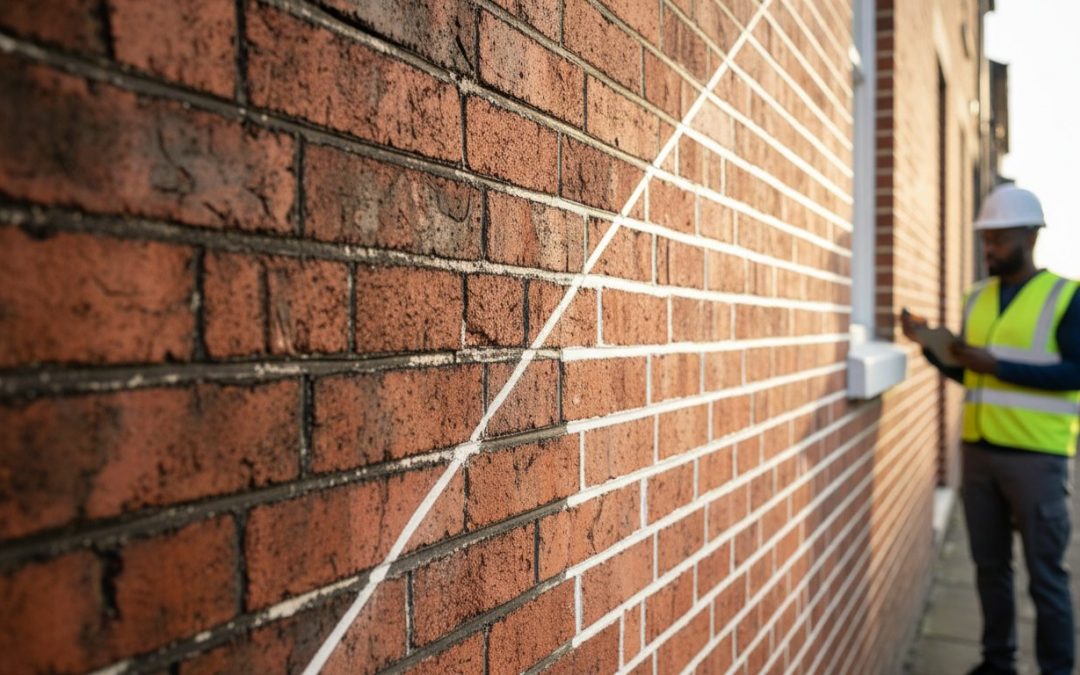
On the exterior, the property will show signs of the technical extraction. Specialists seal the 12mm or 25mm drill holes used during the process with colour-matched mortar to ensure a seamless finish. You may notice “efflorescence” appearing on the bricks; these are white, powdery salt deposits. This is a positive sign, indicating that moisture is leaving the brickwork and bringing natural minerals to the surface. Our team also ensures all weep holes are clear, allowing any residual liquid to drain away from the cavity base immediately, preventing future pooling at the damp proof course level.
The Thermal and Moisture Recovery Timeline
Understanding what happens after cavity wall insulation is removed involves tracking the physical transition of your masonry from a saturated state to a dry, breathable one. This recovery isn’t immediate; it follows a predictable three-phase timeline that dictates when you can safely redecorate and how your heating system will perform. Our nationwide team sees this progression in every property we service across the United Kingdom.
- Phase 1: The Evaporation Stage (Weeks 1-4): Once the saturated material is extracted, air circulation returns to the cavity. You’ll notice surface moisture on external brickwork beginning to patch dry. The heavy, damp smell often associated with failing insulation typically starts to dissipate during this first month.
- Phase 2: Deep Core Drying (Months 2-6): Masonry is porous. Bricks and internal breeze blocks act like sponges, holding moisture deep within their structure. During these months, the inner leaf of the wall stabilizes. This is a critical period where the moisture levels in the wall ties and structural elements drop significantly.
- Phase 3: Thermal Equilibrium (6 Months+): The walls reach a consistent moisture level that matches the local climate. Your heating system no longer wastes energy trying to evaporate water trapped in the masonry, allowing the property to retain heat more effectively.
Will My House Feel Colder Without Insulation?
A common concern for homeowners is whether the property will lose more heat once the cavity is empty. In reality, wet insulation acts as a thermal bridge. It draws heat out of the house much faster than an empty air gap. While dry insulation is an asset, wet insulation is a liability that increases thermal conductivity. The consumer guide to CWI issues highlights how failing material leads to significant heat loss and structural damp. During the first winter after cavity wall insulation removal, you might need to run your heating slightly higher to aid the final drying stages. However, once the masonry is dry, the natural insulating properties of the air gap provide a more comfortable environment than saturated wool or foam ever could.
Monitoring Internal Damp and Mould Regression
Mould requires a constant source of moisture to survive. While existing mould spores won’t disappear the moment the insulation is gone, the colony will stop growing because the moisture source has been cut off. You must maintain high levels of ventilation through trickle vents and extractor fans to pull residual humidity out of the rooms. Don’t rush to redecorate internal walls immediately. We recommend waiting at least 4 to 6 months to ensure the deep core moisture has fully evaporated; otherwise, new paint may bubble or peel. If you’re concerned about the current state of your walls, a professional survey from a specialist at CavClear can provide a precise moisture reading to confirm when it’s safe to proceed.
Assessing Structural Integrity: Wall Ties and Cavity Debris
Extraction reveals the true condition of your property’s masonry. For many years, insulation material can act as a mask, hiding structural issues that develop out of sight. When mineral wool or foam becomes saturated, it holds moisture against the inner and outer leaves of the building for decades. This persistent dampness often triggers structural decay that only becomes visible once the cavity is empty. Understanding what happens after cavity wall insulation is removed involves looking past the immediate relief of a dry wall to ensure the building’s skeleton remains sound. A post-extraction survey is a mandatory step in our process to confirm that your home remains stable and secure.
The Link Between Failed Insulation and Wall Tie Corrosion
Steel wall ties provide the essential connection between your home’s internal and external walls, keeping the two leaves from bowing or separating. When insulation becomes saturated, it traps moisture directly against these metal components. This leads to oxidation, a process where the steel begins to rust. As the steel rusts, it can expand to seven times its original thickness. This expansion exerts immense pressure on the surrounding masonry, often cracking the external mortar joints or causing the brickwork to bulge.
Homeowners often notice horizontal cracking in the mortar or “stepping” patterns in the brickwork. These are clear signs of distress that require urgent attention. If these issues are ignored, the structural stability of the property is at risk. We recommend a full inspection to determine if you require wall tie replacement to restore the integrity of the building. Our specialists use borescope cameras to inspect the cavity once the material is gone, allowing us to see exactly where ties have failed without damaging your bricks.
Clearing the Cavity Floor
A critical part of what happens after cavity wall insulation is removed is the thorough cleaning of the cavity floor. Original building designs rely on a clear 50mm air gap to allow moisture to drain away. Over time, “snots,” which are excess mortar droppings from the construction phase, and rubble can collect at the base of the wall. When combined with wet insulation remnants, this debris creates a bridge between the two leaves.
- Debris at the bottom of the cavity allows moisture to travel from the external leaf to the internal leaf, effectively bypassing the damp proof course (DPC).
- Wet mortar snots can lead to localized damp patches on internal skirting boards and floor joists.
- A clean cavity allows for natural ventilation, which is the primary defense against interstitial condensation.
Many properties suffer from damp problems after insulation because this debris wasn’t managed properly during the initial install. We use specialist suction tools and high-pressure air to ensure the very bottom of the wall is clear of all remnants. Restoring a clean, empty cavity wall ensures the DPC can function as intended, protecting your home from rising and penetrating damp for the long term.
Long-Term Maintenance and Protecting Your Restored Cavity
After a professional extraction, your property returns to its original design intent. The cavity serves as a dedicated drainage and ventilation plane. This “Clear Cavity” philosophy is vital because properties in Exposure Zones 3 and 4, which cover approximately 35% of the UK landmass, are fundamentally unsuitable for retrospective filling. Maintaining this void ensures that moisture doesn’t bridge the gap between the external and internal leaves. Understanding what happens after cavity wall insulation is removed involves shifting your focus to the preservation of the external leaf to ensure the cavity remains dry and functional.
Regular inspections are your primary defense against future issues. You should check your masonry annually for hairline cracks or failing mortar joints. If the external envelope remains porous, the risk of water entering the empty cavity increases. Applying a breathable masonry protection cream can reduce water absorption by up to 90% while still allowing internal moisture to escape. This proactive maintenance ensures that the restored cavity can effectively manage any minor water ingress that occurs during heavy storms.
Brickwork and Mortar Health
Wet insulation often subjects mortar joints to prolonged saturation. This leads to expertze-thaw damage, where water expands as it expertzes and causes the mortar to crumble. When repairing these areas, you must use lime-based or breathable mortars rather than modern cement-heavy mixes. These materials allow the building to shed moisture naturally. You should also identify spalling bricks, where the outer face has detached. This damage typically occurs when wet insulation holds moisture against the brick during sub-zero temperatures, compromising the brick’s structural integrity.
Why CavClear Advises Against Re-Insulation
A common question regarding what happens after cavity wall insulation is removed is whether the property can be re-insulated with “better” materials. We strictly advise against re-pumping cavities. The UK’s traditional housing stock relies on the air gap to manage moisture. Re-insulating often repeats the same failure cycle, leading to renewed damp and wall tie corrosion. Instead of re-filling the walls, we recommend improving energy efficiency through increased loft insulation or high-performance glazing. These methods provide thermal benefits without compromising the breathability of your home’s structure.
The focus must remain on the long-term health of the building. By keeping the cavity clear, you allow the property to function as it was designed, protecting the wall ties and internal finishes from the devastating effects of interstitial condensation. This approach provides a permanent solution to damp issues rather than a temporary patch that could cause further damage in the future.

Why Professional Extraction is a Permanent Investment in Home Health
Homeowners often underestimate the complexity of clearing a wall cavity. Attempting a DIY extraction or using standard household equipment is ineffective because it fails to reach the compacted debris at the base of the wall. Professional extraction relies on industrial-grade vacuums and high-pressure compressed air systems that create a powerful centrifugal force. This equipment removes 100% of the saturated material, restoring the vital 50mm air gap that keeps your home dry. Without this specialist intervention, damp pockets remain, continuing to bridge the gap and transfer moisture to your internal plaster.
Investing in a professional service provides a level of structural security that manual methods can’t match. A key part of the process involves a damp survey to confirm the walls are drying correctly. This isn’t just about comfort; it’s about protecting your financial interests. In the current UK housing market, surveyors and mortgage lenders are increasingly cautious about properties in high-exposure zones with retrospective insulation. A clear cavity, backed by a specialist report, ensures your property remains mortgageable and retains its full market value. The journey from a cold, damp house to a dry, secure home depends entirely on the quality of the extraction.
- Industrial Vacuums: These machines extract debris at a rate that manual tools can’t replicate, ensuring no blockages are left behind.
- Structural Integrity: Removing wet material stops the accelerated corrosion of wall ties, which can cost thousands of pounds to replace if left unchecked.
- Thermal Regulation: Once the cavity is clear, the natural air pocket allows the building to breathe, preventing the stagnant humidity that leads to black mould.
The CavClear Specialist Approach
We provide a nationwide service that prioritizes non-invasive techniques. Our technicians don’t need to remove bricks or cause structural disruption; instead, we use small, strategically placed boreholes to access the cavity. During the extraction, our specialists are trained to spot secondary issues like wet rot in floor joists or timber frames that have been in contact with damp insulation. We don’t just leave you with a clean wall; we provide a comprehensive report that documents the condition of the cavity for your permanent property records.
Next Steps for Homeowners
Understanding what happens after cavity wall insulation is removed is the first step toward restoring your home. If you’ve noticed internal damp patches or a persistent musty smell, it’s time to book a technical inspection. When you contact our team, please have the approximate age of your property and any history of previous damp treatments ready. This helps our specialists prepare the correct diagnostic tools for your survey. Don’t let failing insulation compromise your building’s skeleton. Secure your home’s structural future with CavClear.
Restoring Your Property’s Structural Health
Understanding what happens after cavity wall insulation is removed is the first step toward reclaiming a dry, safe home. Once the saturated or failing material is extracted, your property begins a natural drying phase that stops the cycle of damp and protects your wall ties from further oxidation. This process isn’t just a quick fix; it’s a permanent investment in the structural integrity of your masonry. Our accredited specialist technicians use precise, non-invasive methods to ensure 100% of the debris is cleared from the cavity. We provide nationwide UK coverage and deliver comprehensive structural reports to give you complete transparency regarding your home’s condition.
Choosing a professional extraction ensures your property’s ventilation is restored to its original design. We don’t just clear the space; we provide the peace of mind that comes with knowing your home is protected against future moisture ingress. Your property’s recovery starts with an expert assessment to confirm the cavity is clear and the wall ties are secure.
Book a Specialist Cavity Survey with CavClear Ltd
You can trust our team to restore the comfort and safety your home deserves.
Frequently Asked Questions
Is it normal for my house to feel damp immediately after insulation removal?
It’s common for a property to retain moisture for several weeks after the extraction process. The wet material previously acted as a sponge, and a single saturated brick can hold approximately 1.5 litres of water. Once the cavity is clear, the drying process begins, but the internal atmosphere might feel humid until the masonry stabilizes. This is a standard part of what happens after cavity wall insulation is removed from a damp property.
How long does it take for walls to dry out after cavity wall insulation is removed?
Walls typically take between 4 and 12 months to dry out completely. This duration depends on the 225mm thickness of your brickwork and the local UK weather conditions. Natural ventilation through the newly cleared 50mm cavity is the primary drying mechanism. We recommend monitoring internal humidity levels to track this progress over the first year.
Will removing my cavity wall insulation cause my energy bills to go up?
You might see a marginal increase in heating costs, but this is often offset by the improved thermal performance of a dry structure. Wet insulation acts as a thermal bridge, actively drawing heat out of your home. Once the cavity is empty and the masonry dries, the wall’s natural thermal resistance increases, which helps stabilize internal temperatures.
Do I need to re-insulate the cavity once the old material is gone?
We strongly advise against installing retrospective cavity wall insulation after an extraction. Cavity walls were originally designed with a clear air gap to prevent moisture from crossing the external leaf to the internal skin. Maintaining this 50mm void is the most effective way to protect your wall ties from corrosion and prevent future damp issues.
What happens if the insulation isn’t fully removed from the cavity?
Residual material creates “cold spots” where moisture continues to bridge the gap between your walls. If even 5% of the debris remains at the base or around wall ties, it can lead to localized mould growth and structural decay. This highlights why a professional extraction using high-powered vacuum systems is vital for the long-term health of your property.
Can I redecorate my internal walls straight after the extraction?
You should wait until the moisture content in your plaster drops below 15% before applying new finishes. Redecorating too soon traps moisture within the substrate, which leads to peeling paint or bubbling wallpaper. Most specialists suggest waiting at least 3 months to ensure the internal surfaces are sufficiently dry for decoration.
How do I know if the removal has been successful?
A successful extraction is verified through a comprehensive borescope inspection of the entire cavity. Technicians insert cameras into the 12mm drill holes to confirm that all debris and obstructions are cleared. This visual evidence provides peace of mind and ensures that the what happens after cavity wall insulation is removed process has met professional standards.
Will the holes drilled during extraction be visible on my house?
The 12mm extraction holes are filled with mortar that is carefully colour-matched to your existing masonry. Specialists use dust from your own bricks to create a seamless finish that blends with the original facade. After 6 months of natural weathering, these points are typically invisible to the naked eye, preserving your home’s kerb appeal.
Recent Comments