
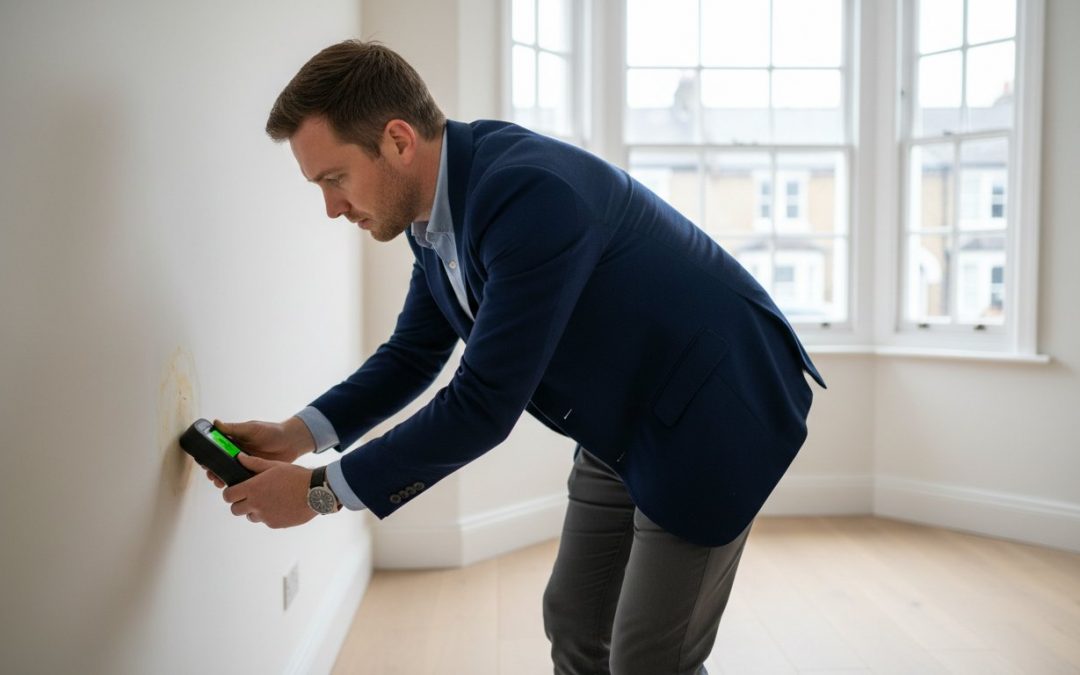
Is a “expert” damp survey actually the most expensive mistake you can make for your property’s structural integrity? Many homeowners feel a natural distrust when faced with conflicting price quotes or surveys that feel more like sales pitches than technical assessments. It’s common to feel anxious about the health risks of mould or the threat of hidden decay behind your walls. Gaining a clear understanding of the damp survey cost UK 2026 is the first step toward securing an unbiased, professional diagnosis that protects your home’s long-term value.
This guide provides a transparent look at current inspection fees, helping you distinguish between a basic visual check and a comprehensive diagnostic report. You’ll learn how experts identify the true root causes of moisture, such as cavity wall failures or wall tie corrosion, rather than just masking the symptoms. We’ll also preview the latest 2026 regulatory changes, including the expansion of Awaab’s Law into the private sector, to ensure you have the technical knowledge needed to maintain a safe and dry environment. By focusing on methodical evidence rather than guesswork, you can invest in a permanent resolution that restores your property’s health and comfort.
Key Takeaways
- Understand how property dimensions and regional demand influence the total damp survey cost UK 2026, allowing for accurate budgeting of your technical assessment.
- Distinguish between basic visual inspections and comprehensive investigations that use calibrated moisture meters to identify structural environmental health issues.
- Recognize the inherent risks of “expert” surveys, which often prioritize sales targets over an unbiased diagnosis of your property’s technical faults.
- Learn to interpret professional diagnostic reports by focusing on photographic evidence and moisture readings that pinpoint the actual cause of dampness.
- Evaluate how professional remedial actions, such as cavity wall insulation extraction, serve as a vital investment in your property’s long-term structural integrity.
Understanding the Value of a Professional Damp Survey in 2026
A professional damp survey is a technical assessment of a property’s moisture levels and structural environmental health. In 2026, standards for property maintenance have evolved significantly. A simple moisture meter reading is no longer sufficient to satisfy modern safety requirements or the rigorous demands of the UK housing market. Instead, a specialist investigation identifies the specific mechanisms causing moisture ingress. This process is vital for protecting property value and ensuring long-term asset health through precise, evidence-based diagnostics.
Many homeowners confuse a general mortgage valuation with a specialist damp investigation. A valuation is a surface-level check conducted primarily for a lender’s benefit. It doesn’t provide the technical depth required to diagnose complex moisture issues within the building fabric. In contrast, a specialist survey uses a methodical diagnostic approach. It examines the building envelope to find faults that a general surveyor might miss, such as failing wall ties or saturated insulation materials. Understanding the damp survey cost UK 2026 allows you to budget for an expert opinion that prevents expensive, incorrect remedial works in the future.
Why Homeowners Invest in Damp Surveys
Proactive owners invest in these surveys to identify issues like penetrating damp, rising damp, and condensation before they cause visible damage. Early detection is a key strategy for maintaining a building’s integrity. A professional report also provides essential documentation for insurance purposes or property sales. It offers peace of mind by confirming that any structural dampness affecting the property has a clear, technical solution. This documentation is increasingly important as 2026 regulations place a higher onus on property owners to maintain healthy living environments.
The Consequences of Ignoring Early Damp Signs
Ignoring the early warning signs of moisture leads to severe structural issues. When water penetrates the building envelope, it creates a habitat where structural timber decay and wet rot develop rapidly. This compromise often affects floor joists and roof timbers, leading to hazardous living conditions. You shouldn’t wait for visible mould to appear before taking action.
- Remedial costs increase significantly when the root cause, such as a compromised cavity or failed wall ties, remains untreated for years.
- Prolonged exposure to black mould spores presents serious health risks, which are now more strictly regulated under updated housing standards.
- Unchecked moisture leads to wall tie corrosion, which eventually threatens the stability of the external masonry leaf.
Addressing these faults immediately is a vital investment in the property’s future health. A professional survey provides a clear, low-pressure path toward a resolution. It ensures a permanent fix that restores both the comfort and the structural integrity of your home across the United Kingdom.
Key Factors Influencing Damp Survey Costs Across the UK
Determining the damp survey cost UK 2026 requires an understanding of the technical variables involved in a thorough property inspection. Fees aren’t arbitrary. They reflect the time, expertise, and equipment required to assess specific structural vulnerabilities. While a surface-level check might seem affordable, it often fails to identify deep-seated issues within the building fabric. National pricing averages are influenced by property size, geographic location, and the specific complexity of the construction, particularly in buildings with cavity walls.
Geographic location remains a significant factor in 2026. Regional demand in metropolitan areas often leads to higher service fees compared to rural locations. However, the most critical cost driver is often the accessibility of the structure. Inspecting high-level masonry or accessing sub-floor voids involves additional safety equipment and time. Professional surveyors must also consider the health of the occupants. Following official government guidance on damp, modern inspections now place greater emphasis on identifying mould risks, which necessitates a more meticulous diagnostic process.
Property Size and Inspection Duration
A standard 2-3 bedroom semi-detached home typically requires a two to four-hour inspection to gather sufficient data. Larger period properties or those with multiple extensions demand a more intensive investigation. These complex layouts often hide “bridged” cavities or mismatched wall ties that a quick walkthrough will miss. Commercial properties also carry different fee structures due to their scale and the specific regulatory standards they must meet. Investing in a detailed wall tie survey during this process ensures that the fundamental stability of the masonry leaf is also confirmed.
Specialist Equipment and Technical Requirements
Technical investigations often require advanced diagnostic tools that go beyond a basic moisture meter. Using thermal imaging cameras or borescopes allows a specialist to see inside the building envelope without causing major disruption. These tools are essential for identifying failing cavity wall insulation, which is a frequent but hidden cause of internal dampness.
- Invasive inspections involve drilling small, discreet holes to inspect the cavity directly.
- Thermal imaging helps map cold spots where condensation is likely to form.
- Hygrometers measure relative humidity to distinguish between structural leaks and environmental moisture.
The cost of producing a formal technical report is also factored into the final fee. A professional report includes photographic evidence, moisture mapping, and a clear remedial path. This document is a vital investment in the property’s future, providing a factual basis for any necessary repairs or insulation extraction. By identifying the actual cause of the fault, you avoid the high costs associated with ineffective “quick-fix” treatments.
Comparing Survey Methodologies: From Visual Inspections to Technical Investigations
Not all property inspections follow the same criteria. Choosing the correct methodology is essential for obtaining an accurate diagnosis. The damp survey cost UK 2026 is largely determined by the depth of investigation required to identify a fault. While many providers focus on trade body accreditations, high-quality independent specialists often provide a more objective technical analysis. They use evidence-based data rather than relying on surface-level observations. This methodical approach ensures that the root cause of moisture is identified before any remedial work is commissioned.
A comprehensive investigation typically moves from external observations to internal data collection. It’s a logical progression that mirrors a diagnostic process. By evaluating the building envelope first, a surveyor can rule out simple maintenance issues before moving to complex structural faults. This prevents the misdiagnosis of penetrating damp as rising damp, a common error that leads to unnecessary and expensive treatments.
Level 1: Basic Visual Assessment
A Level 1 assessment is a non-invasive walkthrough. It focuses on obvious signs of moisture, such as salt staining, peeling wallpaper, or external maintenance failures like blocked gutters. This level is generally suitable for modern properties built after 2015 that have no prior history of dampness. In 2026, a basic visual inspection serves as a preliminary check but lacks the technical data required for a full structural guarantee. It’s often the most affordable entry point for homeowners who simply want a professional second opinion on a minor concern.
Level 2: Standard Diagnostic Survey
This is the industry standard for property purchases and general peace of mind. A Level 2 survey includes moisture mapping using calibrated electronic meters and hygrometers to measure relative humidity. The surveyor performs internal and external structural checks to identify bridged damp proof courses or compromised masonry. For a detailed breakdown of what to expect from this tier, you can consult our Professional Damp Survey Guide. It ensures you receive a factual report that supports informed decision-making.
Level 3: Specialist Structural & Cavity Inspection
When standard checks suggest a hidden fault, a Level 3 investigation is required. This involves a deep-dive into the wall cavity using high-definition borescope cameras. It’s a critical step for properties where cavity wall insulation removal may be necessary due to saturation or poor installation. This methodology also allows for the analysis of wall tie health. Corroded wall ties or debris-filled cavities are structural technical faults that a moisture meter cannot detect. Identifying these issues early protects the long-term asset health of your property.
For older properties, a combined damp and timber survey is often recommended. This methodology evaluates structural wood health simultaneously, checking for signs of wood-boring insects or fungal decay. This level of technical scrutiny is comparable to the methodical building and pest inspections performed by Academic Building Inspections for residential properties. By assessing the timber and the masonry together, you gain a complete overview of the building’s environmental health, which is a vital investment in the property’s future stability.

The “no-obligation Survey” Myth vs. Specialist Diagnostic Inspections
The promise of a “expert” damp survey often masks a significant conflict of interest. While it appears to be a cost-saving measure, these inspections are frequently conducted by salespeople rather than technical specialists. Their primary objective is to secure a contract for remedial works, which can lead to biased results. In contrast, understanding the damp survey cost UK 2026 as a diagnostic investment ensures you receive an objective assessment of your property’s environmental health. Paying for an independent survey often saves thousands of pounds by preventing the installation of unnecessary treatments that fail to address the root cause of the moisture.
A specialist diagnostic inspection provides a clear, factual basis for any recommended repairs. It moves beyond the surface to understand how your building functions as a system. When a surveyor is paid for their time and expertise, their loyalty is to the accuracy of the report, not a sales target. This transparency is vital for homeowners who want to avoid the cycle of ineffective “quick-fixes” that don’t solve the underlying structural fault.
Conflict of Interest in Sales-Led Surveys
A salesperson is incentivized to find faults that their company can fix. This often leads to recommendations for invasive damp-proof courses in instances where the actual issue is simply poor ventilation or a bridged cavity. These “expert” inspections rarely investigate the building envelope with technical rigor. CavClear prioritizes diagnostic accuracy over sales targets. We identify technical faults based on empirical evidence, ensuring that our recommendations focus on the long-term structural integrity of your home across the United Kingdom. We don’t use high-pressure tactics; we provide technical solutions.
What a Professional Fee Actually Covers
A professional fee covers the high-level expertise of a qualified technician. This includes professional indemnity insurance, which protects you if a diagnosis is incorrect. You aren’t just paying for a walkthrough. You’re paying for a comprehensive, evidence-backed action plan. This report includes moisture readings, photographic evidence, and technical justifications for every recommendation. It serves as a vital investment in your property’s future health.
- Unbiased assessments may conclude that a simple maintenance fix, like clearing a gutter or unblocking an air brick, is all that’s required.
- Detailed reports provide a factual basis for negotiations during property transactions or insurance discussions.
- Technical specialists use calibrated equipment to distinguish between condensation, penetrating damp, and structural leaks.
Investing in an independent assessment is the most reliable way to protect your property’s value and your family’s health. You can secure a professional cavity wall tie inspection to ensure your masonry is stable and your home remains dry. This methodical approach provides the long-term assurances that a sales-led survey simply cannot offer. By identifying the correct technical remedy the first time, you ensure a permanent fix and restore the comfort of your living space.
Interpreting Your Professional Report and Planning Remedial Action
Once you’ve accounted for the damp survey cost UK 2026, the real value of the investment lies in the technical report you receive. A professional report is a diagnostic tool, not a sales brochure. It must include empirical evidence, such as moisture readings from calibrated hygrometers and high-resolution photographs taken during the inspection. These data points provide a factual baseline for your property’s environmental health. You should look for specific moisture mapping that identifies exactly where the building envelope has failed. This evidence ensures that any proposed remedial action is based on technical necessity rather than guesswork.
A high-quality report allows you to obtain accurate quotes for repair work because it acts as a technical specification. Contractors can see exactly what needs to be fixed, whether it’s a blocked cavity or corroded wall ties. This clarity prevents “scope creep” where costs escalate during the repair phase. By identifying the root cause first, you avoid paying for treatments that only mask symptoms. It moves your property from a state of uncertainty to a clear, low-pressure path toward a resolution.
Common Remedial Recommendations in 2026
Modern property maintenance focuses on permanent structural solutions rather than temporary fixes. Successfully addressing black mould in UK homes requires more than just surface cleaning; it demands the removal of the moisture source. Often, this involves cavity wall insulation extraction if the material has become saturated and is bridging moisture to the inner leaf. Survey findings might also indicate a need for wall tie replacement to restore structural stability. These interventions use non-disruptive methodologies to preserve the building’s masonry while ensuring its long-term health.
Securing Your Property’s Future
A professional diagnosis is the only way to ensure that remedial work is targeted and effective. To ensure your home is assessed by nationwide experts who prioritize diagnostic accuracy and structural integrity, you can Book your professional survey with CavClear. This ensures a permanent fix and provides the long-term assurances every homeowner deserves.
Securing Your Property’s Structural Health for the Future
Investing in a professional assessment is the most effective way to protect your building’s envelope from long-term decay. We’ve explored how the damp survey cost UK 2026 reflects the technical expertise and specialist equipment required to diagnose root causes like cavity wall failure or wall tie corrosion. By choosing an independent specialist over a sales-led inspection, you ensure that remedial recommendations are based on empirical evidence rather than sales targets. A detailed diagnostic report provides the factual roadmap needed to restore your home’s comfort and efficiency.
Our accredited specialist technicians provide nationwide UK coverage, delivering comprehensive reporting and clear remedial action plans to resolve your property’s moisture issues permanently. This methodical approach ensures that your investment in a survey translates into lasting structural integrity. Book your professional damp and mould survey with CavClear today. You can move forward with confidence, knowing your property is in expert hands and its future health is secured.
Frequently Asked Questions
How much does a damp survey cost for a 3-bedroom house in the UK in 2026?
Fees for a 3-bedroom home are determined by the complexity of the elevations and the accessibility of the sub-floor or roof voids. The damp survey cost UK 2026 varies depending on whether you require a basic visual check or a technical investigation with borescope cameras. A professional assessment ensures that all structural vulnerabilities are identified, providing a technical baseline for your property’s long-term health and efficiency.
Is a damp survey different from a mortgage valuation?
A damp survey is a technical structural assessment, whereas a mortgage valuation is a financial risk appraisal for a lender. Valuations often miss hidden faults like wall tie corrosion or saturated insulation because they don’t involve diagnostic tools. A specialist survey uses moisture mapping and structural checks to provide a factual report on the building’s environmental health, which is vital for any property transaction.
What actually happens during a specialist damp survey?
Technicians perform a methodical investigation of the building envelope using calibrated moisture meters and hygrometers. They map internal moisture levels and inspect external masonry for maintenance failures or bridged damp proof courses. If hidden issues are suspected, they use borescope cameras to view the internal wall cavity. This diagnostic process allows the surveyor to link technical faults to specific, permanent solutions.
How long does it take to receive the final damp survey report?
Most homeowners receive their final technical report within three to five working days after the physical inspection. This period is necessary for the specialist to analyze the gathered data and produce a detailed, evidence-backed action plan. The resulting document includes moisture readings and photographic evidence, serving as a vital investment in your property’s future maintenance and structural integrity.
Do I need a damp survey if I only see a small amount of black mould?
Yes, because black mould is a symptom of an underlying environmental or structural fault. Even small patches can indicate significant issues like failing cavity insulation or thermal bridging that requires a professional remedy. A survey identifies the specific cause of the moisture, ensuring you don’t waste money on surface treatments that fail to prevent the mould from returning.
Can a damp survey detect if my cavity wall insulation is failing?
Specialist surveys are designed to detect failing cavity wall insulation through invasive borescope inspections. Technicians drill discreet holes in the mortar to view the insulation’s condition within the cavity. They can identify if the material is saturated, slumped, or incorrectly installed. This evidence is essential for determining if cavity wall insulation extraction is the necessary technical solution to your damp issues.
Will a damp survey identify issues with wall ties?
Professional surveys include wall tie inspections to identify corrosion or structural instability. Corroded wall ties can cause horizontal cracking and allow moisture to penetrate the building fabric. By assessing these components, the surveyor confirms the stability of the external masonry leaf. If faults are found, the report will recommend a wall tie replacement to secure the property’s long-term structural integrity.
Is it worth paying for a survey if I already know I have damp?
Paying for a survey is the only way to ensure you don’t invest in ineffective remedial works. The damp survey cost UK 2026 is a diagnostic investment that identifies the actual cause of moisture rather than just the visible signs. This prevents you from commissioning expensive repairs, such as a new damp proof course, when the real problem might be a simple maintenance failure or a compromised wall cavity.
Recent Comments