
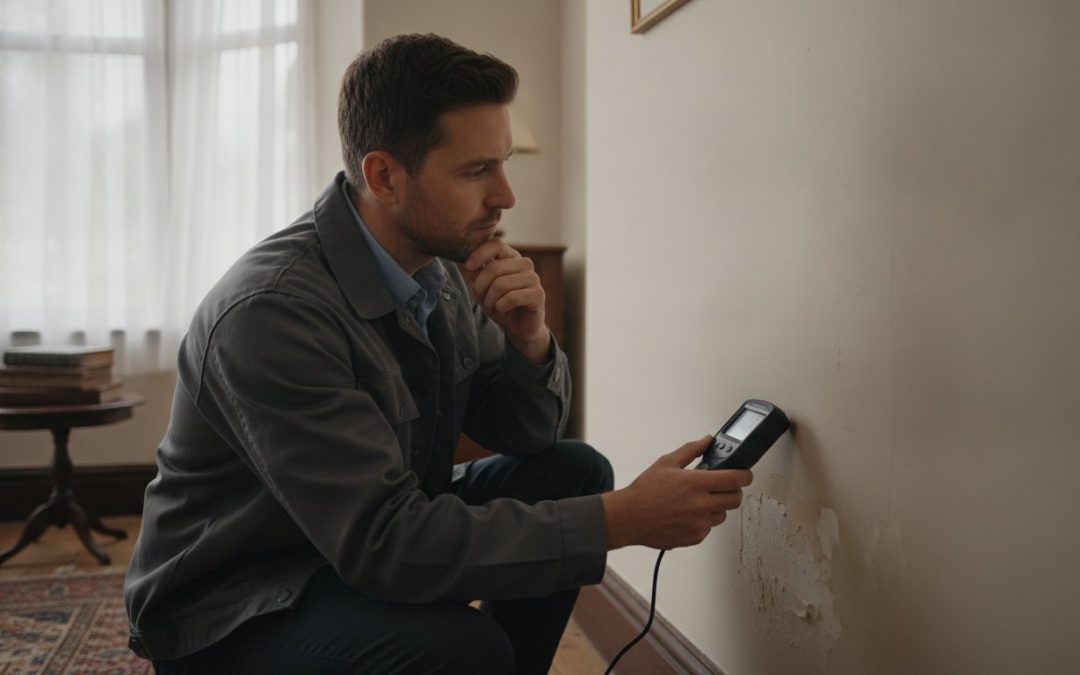
A superficial repair for damp is often nothing more than a temporary mask for a serious structural failure that continues to erode your property’s value. When you’re trying to calculate how much to fix damp walls UK property owners often find themselves caught between conflicting quotes and recurring mould growth that refuses to stay away. It’s natural to feel anxious about the integrity of your home when general repairs fail to address the underlying technical cause.
We’ve developed this guide to provide a professional and transparent breakdown of damp remediation costs for 2026, focusing on the permanent specialist interventions required to restore comfort and safety. You deserve a clear understanding of the investment needed to stop moisture at its source rather than simply painting over the symptoms.
We’ll examine the specific requirements for professional diagnostics, salt-resistant replastering, and the critical role of cavity-level inspections. This methodical approach ensures you can move forward with confidence, knowing your property’s long-term health is the priority.
Key Takeaways
- Understand why professional damp remediation is a structural investment rather than a cosmetic fix, ensuring your property’s long-term asset health is protected.
- Learn exactly how much to fix damp walls UK wide by exploring the 2026 cost variations between rising damp, penetrating moisture, and cavity-bridge issues.
- Discover how failed cavity wall insulation often acts as a bridge for moisture, necessitating specialist extraction to prevent permanent wall tie corrosion.
- Identify the critical variables that influence your remediation quote, from the number of affected elevations to the requirement for specialist access equipment.
- Recognise the financial risks of hiring general builders for specialist structural work and why a diagnostic-led approach prevents the cost of repeating failed repairs.
How Much to Fix Damp Walls in the UK: 2026 Cost Overview
Professional damp remediation is a structural engineering project. It isn’t a cosmetic task. When homeowners ask how much to fix damp walls UK, the answer depends on whether they want a surface-level patch or a permanent solution. In 2026, the industry has moved toward a diagnostic-led model. This approach uses advanced moisture profiling and thermal imaging to identify technical faults within the wall cavity or masonry. It ensures that the root cause is addressed, rather than just the visible symptoms on the plaster.
Contracting fees are typically calculated based on the scale of the property and the volume of material required for remediation. For example, treating a single elevation for penetrating damp involves different logistical requirements than a full-house rising damp project. Ignoring these issues is a costly mistake. Dampness accelerates the corrosion of wall ties and the decay of structural timbers. This leads to escalating repair bills and significant property devaluation. A proactive approach protects your investment and ensures the long-term health of the building fabric.
The Essential Role of the Professional Damp Survey
A technical property inspection is the first non-negotiable step in any remediation project. It’s the only way to determine if you’re dealing with rising damp, penetrating moisture, or a bridge within the cavity. An accredited technician evaluates moisture profiles and performs salt analysis to understand the chemistry of the masonry. This process identifies exactly where Damp proofing methods have failed. A formal remedial action plan provides the documentation needed for property sales, offering long-term asset protection and peace of mind for future buyers.
Diagnostic Inspection Fees and Reporting
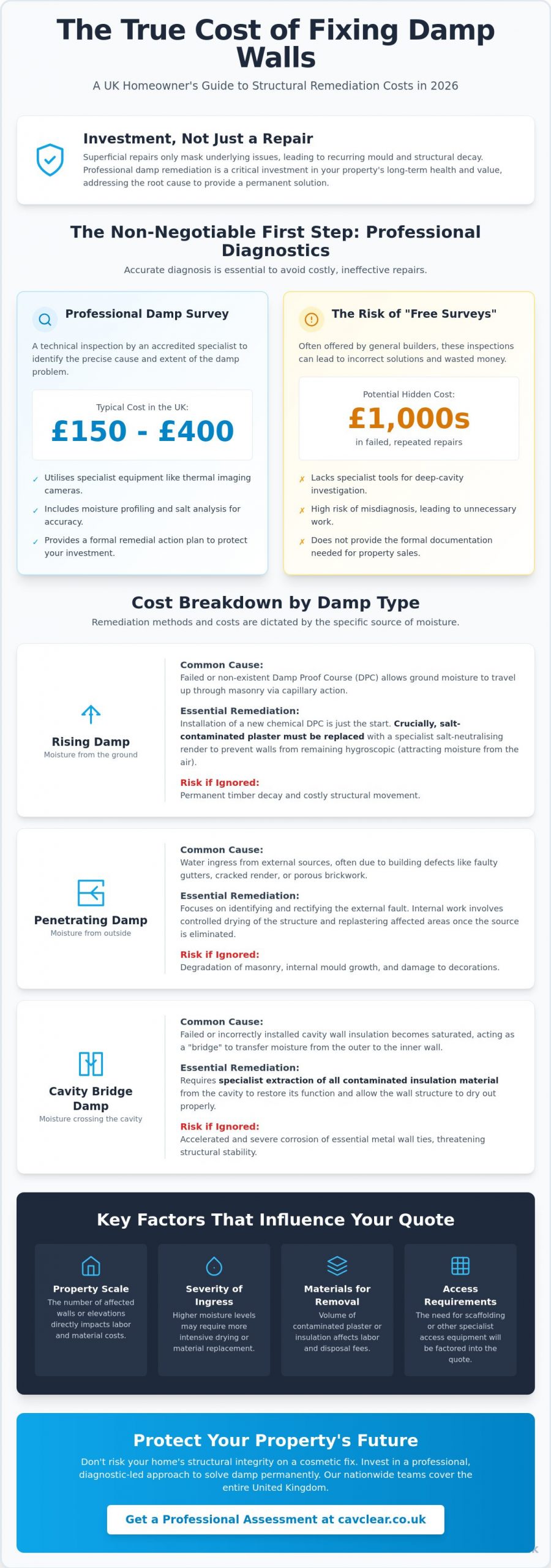
A professional damp survey in the UK typically costs between £150 and £400. This fee covers the expertise of a specialist who uses calibrated equipment to look beyond the surface. You should be cautious of “expert surveys” offered by general builders. These often result in misdiagnosis because the person inspecting the property lacks the specialist tools to conduct a deep-cavity investigation. A professional report protects you from paying for unnecessary work. It ensures that every pound spent is directed toward a verified technical fault. This transparency is vital for homeowners who want to secure their property’s future and avoid the cycle of recurring damp issues.
Cost Breakdown by Damp Type and Professional Treatment Method
Determining how much to fix damp walls UK properties require involves a technical assessment of the moisture source. Project fees aren’t calculated solely on the square footage of a room. Instead, they’re dictated by the severity of the water ingress and the specific remediation methodology required to stop it. Professional contractors must also account for the safe removal and disposal of contaminated building materials, such as salt-laden plaster and timber affected by fungal decay. This ensures the environment remains safe for occupants during and after the works.
Addressing the root cause is the only way to avoid the cycle of failed repairs. Whether the issue is rising, penetrating, or caused by a cavity bridge, the remediation must be permanent. A technical approach ensures that the structural integrity of the property is restored, protecting its long-term asset health and market value.
Remediating Rising Damp and DPC Failure
Rising damp occurs when ground moisture travels upward through porous masonry via capillary action. This is usually caused by a compromised or non-existent Damp Proof Course (DPC). Remediation typically involves the installation of a specialist chemical DPC or, in rarer structural cases, a physical membrane. However, the installation of the barrier is only one part of the project. A significant portion of the final invoice is often attributed to internal salt-neutralising plasterwork. Ground salts, such as nitrates and chlorides, are hygroscopic. They remain in the wall even after the DPC is fixed, drawing moisture from the air. Failing to replace contaminated plaster with a specialist render means the walls will appear damp indefinitely. If left untreated, this moisture leads to permanent timber decay and structural movement, which are far more expensive to rectify.
Addressing Penetrating Damp and External Masonry Defects
Penetrating damp is caused by water entering the building through the external envelope. This often stems from defective mortar, porous brickwork, or failed rainwater goods. Professional treatment focuses on restoring the integrity of the external masonry through specialist repointing or the application of high-grade masonry protection creams. These creams create a breathable, water-repellent barrier that prevents liquid ingress while allowing internal moisture to escape. It’s vital that external treatments are integrated with a comprehensive internal drying plan. Simply fixing the outside won’t remove the moisture already trapped within the structural core. Before committing to a treatment plan, a professional cavity wall survey can identify if the ingress is being exacerbated by debris or failed insulation within the wall itself.
The Impact of Cavity Wall Failures on Remediation Costs
Defective cavity wall insulation is a primary driver of damp issues in modern UK homes. When retrospective insulation is injected into a property, it often bridges the gap that was designed to prevent moisture transfer. This material becomes saturated over time, acting as a conduit for water to move from the external masonry to the internal plaster. When calculating how much to fix damp walls UK residents should consider that internal treatments alone will never solve this structural fault. Insulation extraction is a high-value, permanent solution that restores the original protective function of the building envelope. Clearing the cavity is often more cost-effective than constant internal redecoration, which only masks the symptoms of a deeper technical failure.
The long-term risks of leaving saturated insulation in place are severe. Beyond the obvious mould growth, trapped moisture accelerates the corrosion of wall ties and the degradation of masonry. A specialist approach ensures that the property’s structural integrity is maintained. By removing the bridge, you allow the internal walls to dry out naturally, protecting the asset’s value and the health of its occupants.
Cavity Wall Insulation Removal Costs
Several factors influence cavity wall insulation removal fees. These include the type of material present, the height of the building, and the ease of access to all elevations. The technical process begins with a detailed borescope inspection to identify wet or slumped material. Technicians then use high-pressure compressed air and industrial vacuums to extract the debris through small, discreet holes in the mortar. This process is essential for restoring natural airflow in what is a wall cavity. Without this airflow, the masonry remains damp, and the risk of internal dampness persists regardless of how much you spend on internal waterproofing.
Wall Tie Replacement and Structural Stability
Failing wall ties contribute significantly to moisture ingress and structural wall movement. When ties are exposed to moisture within a bridged cavity, they begin to rust. This corrosion causes the metal to expand, which can force apart the mortar joints and lead to horizontal cracking. The cost of wall tie replacement is often integrated into a wider remediation package. It’s a critical safety requirement for properties built before 1981, as the galvanisation standards for ties were less robust during that era. A thorough structural survey must assess tie condition to prevent expensive masonry repairs or even wall failure in the future. Addressing ties alongside insulation removal ensures a comprehensive fix that secures the property’s structural future.
Key Factors That Influence Your Damp Remediation Quote
Every property presents a unique set of technical challenges that dictate the final project cost. When calculating how much to fix damp walls UK homeowners must look beyond simple surface area measurements. The total property size and the number of affected elevations are primary variables. A project involving multiple external walls or higher storeys requires more complex logistics than a single ground-floor room. Property age also plays a critical role. Solid stone masonry in period homes requires different moisture management strategies compared to modern brick cavity constructions, where the focus often shifts to the integrity of the wall ties and insulation.
Logistical requirements and site setup also influence the quote. Nationwide service providers must account for the safe transport of specialist extraction machinery and the setup of a secure workspace. The disposal of contaminated waste is another factor that general builders often overlook. Saturated mineral wool insulation or salt-damp plaster cannot be treated as standard building rubble. These materials require professional handling and disposal to ensure the site remains clean and non-disruptive to your daily routine.
Specialist Labour vs. Standard Building Costs
Accredited technicians and project-based remedial contracts carry a premium because they provide a permanent solution. Specialist materials, such as salt-retardant additives and high-grade breathable renders, cost significantly more than standard gypsum plaster. These materials are essential for preventing hygroscopic salts from ruining your new decor. The duration of the project also impacts the timeline. A professional remediation plan includes a necessary drying-out phase, which ensures the structural core is moisture-expert before final finishes are applied. This methodical approach prevents the recurring failures common with “quick-fix” general building work.
Additional Remedial Requirements
A comprehensive quote often includes secondary repairs that are vital for long-term asset health. This may include wet rot identification and the subsequent treatment of affected floor joists or skirting boards. If moisture has reached the structural timbers, failing to treat them will lead to fungal decay and further instability. Specialist re-plastering is almost always required to stop salt migration. Finally, we often recommend mechanical ventilation improvements. Improving airflow works alongside physical damp proofing to manage internal humidity and prevent future condensation issues. To ensure your property receives a tailored technical solution, you should request a specialist cavity wall survey to identify every underlying fault.
Investing in Structural Integrity: The Professional Remediation Path
Hiring a general builder for specialist structural damp or cavity issues is a significant risk. While a local tradesperson might be skilled in general construction, they often lack the calibrated diagnostic equipment and specific technical training required to resolve complex moisture ingress. When property owners research how much to fix damp walls UK, they frequently encounter quotes that vary wildly. Selecting the lowest price often results in double the expenditure within twenty-four months, as a cosmetic patch fails to address the underlying structural fault. The damp inevitably returns and requires a second, more intensive professional intervention.
Modern remedial contracting relies on clean and non-disruptive methodologies. Specialist technicians use targeted extraction and injection techniques that protect the property’s fabric, ensuring a permanent fix without the chaos of a standard building site. You should evaluate a specialist based on their adherence to high technical standards and their ability to provide nationwide reliability. A reputable firm offers a clear, methodical path from the initial diagnostic phase to the final restoration of comfort. They take pride in rectifying the poor workmanship of others and restoring the structural health of the building through proven methodology.
Long-Term Assurances and Property Value
The restoration of structural integrity is the ultimate goal of any professional remediation project. A dry, safe home is a vital asset, and choosing a permanent, expert-led fix provides peace of mind that a surface patch cannot offer. Technical reports and detailed documentation of the works performed serve as a shield for your property’s value, providing future buyers with a certified history of professional care. Having a documented record of professional damp remediation and cavity clearance reassures surveyors. It transforms a necessary repair into a strategic investment in the property’s future health and efficiency.
Next Steps for UK Homeowners
The path to a dry home follows a methodical process. It starts with a technical survey to identify the specific moisture profile and any structural bridging. Following this, specialists develop a clear remedial action plan to resolve the fault permanently. This diagnostic approach mirrors a professional assessment, moving from observation to recommendation at a steady pace. You can request a structural inspection for your property today to stop the cycle of recurring mould and masonry damage. Proactive remediation is the most cost-effective choice, as it prevents the escalation of high-value repair costs. It ensures your home remains a healthy and secure environment for years to come.
Securing Your Property’s Structural Future
Professional damp remediation is a vital investment in the long-term health and value of your home. By prioritising technical diagnostics over cosmetic patches, you ensure that the root cause of moisture ingress is permanently resolved rather than simply hidden. Understanding how much to fix damp walls UK property owners should budget involves looking beyond the initial quote and considering the cost of inaction. Failing to address cavity bridges or compromised wall ties leads to severe masonry decay and structural instability that is far more expensive to rectify later.
Our team of accredited specialist technicians provides comprehensive technical diagnostic reporting to identify the exact source of failure within your building’s fabric. With nationwide UK service coverage, we deliver the structural integrity and restoration of comfort your property deserves. Book a professional structural damp survey with CavClear today to protect your asset’s value. Taking this proactive step today ensures a dry, healthy environment and secures the future of your property.
Frequently Asked Questions
How much does a professional damp survey cost in 2026?
A professional damp survey in 2026 typically costs between £150 and £400 depending on the size and location of the property. This fee covers a technical diagnostic inspection using calibrated equipment to identify moisture profiles and the root cause of ingress. It’s a vital investment that prevents you from spending money on unnecessary or incorrect treatments based on a poor initial diagnosis.
Is damp proofing a permanent solution for my home?
Professional damp proofing is a permanent solution when it addresses the underlying technical fault rather than just masking the symptoms. By installing a correct damp proof course or clearing a bridged cavity, you restore the building’s natural protective functions. These specialist interventions are designed to provide long-term asset health, provided the external masonry and rainwater goods are properly maintained.
Can I stay in my house while damp remediation treatment is being carried out?
You can typically remain in your property while professional remediation is carried out. Modern specialist techniques are designed to be clean and non-disruptive, focusing on targeted areas rather than total site upheaval. Technicians use industrial extraction and dust-control measures to ensure that your daily routine isn’t significantly impacted during the structural works.
Why is my cavity wall insulation causing damp problems?
Cavity wall insulation causes damp when it acts as a bridge for moisture to travel from the external masonry to your internal walls. Retrospective insulation often becomes saturated or slumps over time, trapping water against the inner leaf of the building. This technical failure bypasses the original design of the wall cavity, which was intended to keep the internal structure dry and ventilated.
How long does it typically take to complete a damp proofing project?
A standard damp proofing project usually takes between two and five days to complete, though this depends on the scale of the affected elevations. This timeline covers the physical works, such as DPC injection or insulation extraction. However, the internal drying-out phase can take several weeks or even months depending on the severity of the initial moisture levels within the masonry.
Will professional damp remediation increase the value of my property?
Professional remediation protects and often enhances property value by securing the building’s structural integrity. A home with a documented history of specialist damp treatment is far more attractive to buyers and mortgage lenders than one with visible mould or uncertified repairs. It provides the necessary assurances that the asset is healthy and expert from hidden decay, which is a key factor in determining how much to fix damp walls UK buyers will consider a fair price.
Do I need to replaster after a damp proof course is installed?
Replastering is almost always necessary after a DPC installation because hygroscopic ground salts remain embedded in the old plaster. These salts continue to draw moisture from the air even after the rising damp has been stopped. Using a specialist salt-resistant render ensures that your new decorations aren’t ruined by persistent damp patches or salt efflorescence in the future.
What is the difference between damp proofing and structural damp remediation?
Damp proofing typically refers to the installation of a moisture barrier, while structural damp remediation involves fixing the physical fault causing the ingress. This might include extracting failed cavity insulation or replacing corroded wall ties. Remediation is a more comprehensive approach that restores the building’s original structural performance and ensures long-term asset health through a permanent fix.
Recent Comments