
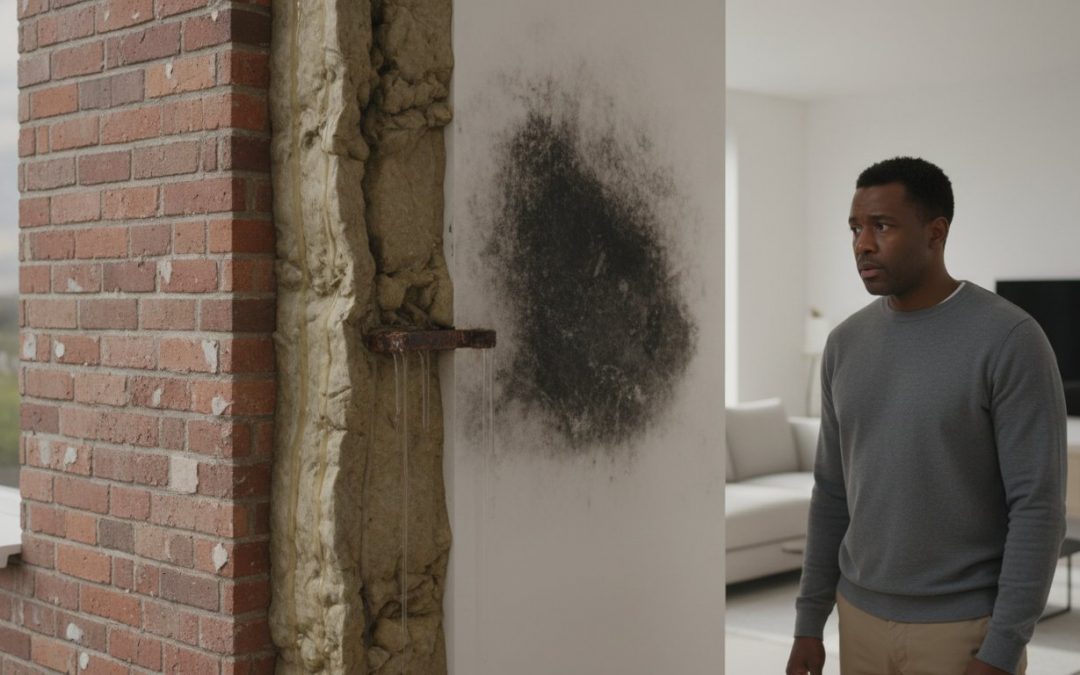
What if the very material meant to protect your home is actually the primary cause of your rising energy bills and damp walls? You likely expected your insulation to lower your costs and keep you warm, but for many UK homeowners, the opposite has become a reality. By 2026, industry data indicates that over 1.5 million UK homes will require professional intervention for failed cavity materials. Dealing with persistent mould growth that returns every winter is exhausting. It’s frustrating to pay for a solution that ends up causing more harm than good. When internal damp patches appear, they often signal significant cavity wall insulation issues that require immediate professional attention to prevent long-term structural decay.
We understand the stress that comes with fearing for your property’s structural integrity, especially regarding wall tie corrosion. This article provides a clear technical breakdown of why these failures occur and how to spot the early warning signs before they escalate. You’ll discover the specialist steps our teams take to safely extract failed material and restore your home to a dry, healthy state. We will guide you through the entire diagnostic and extraction process so you can regain peace of mind and a comfortable living environment.
Key Takeaways
- Understand how moisture bridges and internal debris compromise the cavity, leading to a total breakdown of your property’s moisture barrier.
- Learn to identify the early warning signs of cavity wall insulation issues, ranging from internal black mould to external spalling brickwork.
- Discover the direct link between saturated insulation material and the accelerated corrosion of structural wall ties.
- Recognise why specialist extraction is the only safe, non-invasive method for removing defective material and restoring structural integrity.
- Gain expert insight into the professional diagnostic steps required to ensure a permanent resolution and protect your property’s long-term health.
Common Cavity Wall Insulation Issues in UK Properties
Cavity wall insulation failure describes a fundamental breakdown in the moisture barrier of a building. It’s a situation where the material intended to keep heat in actually brings dampness through. Many UK properties suffer because retrospective installations were applied to buildings that weren’t suitable for the process. Between 1995 and 2015, thousands of homes received insulation without a proper survey of the external masonry. This has led to a widespread national trend of structural dampness that now requires specialist intervention.
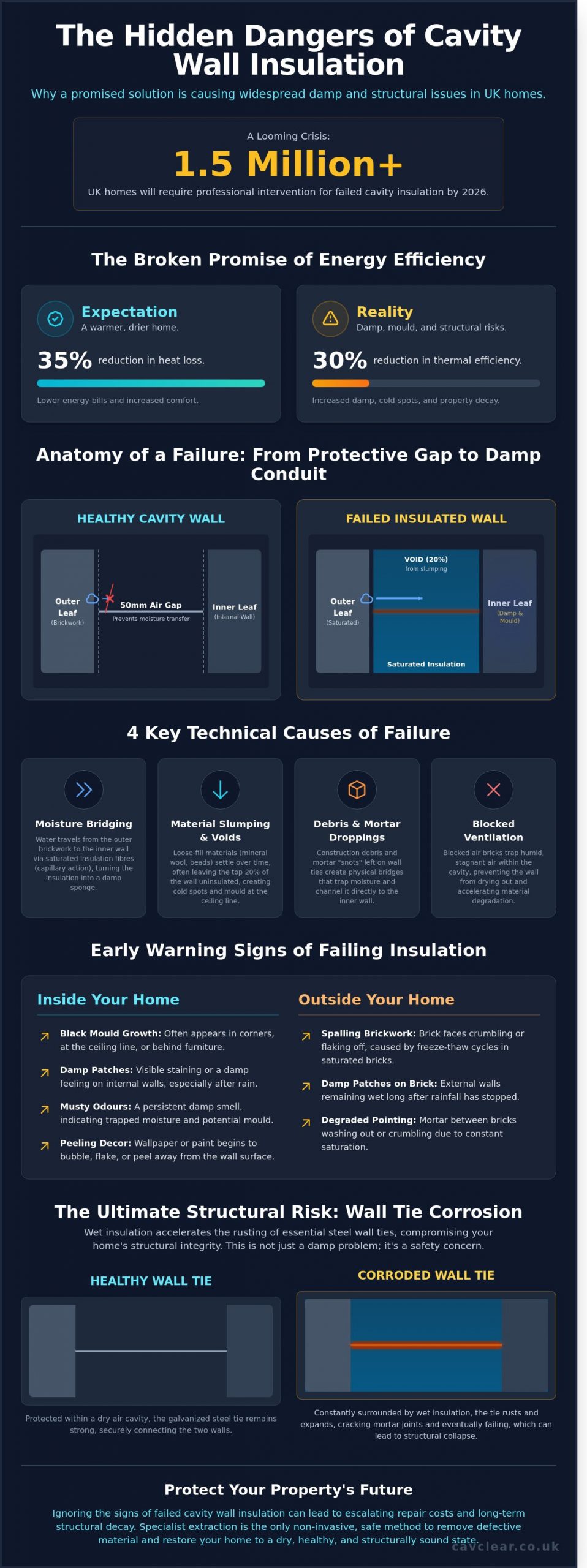
The “broken promise” of energy efficiency has left many homeowners frustrated. While the theory suggests a 35% reduction in heat loss, the reality often involves cold bridging. This occurs when the insulation material becomes wet or develops gaps. These faults create cold spots on internal walls that attract heavy condensation. To understand why this happens, it’s helpful to ask: What is a cavity wall? Historically, the 50mm gap between the inner and outer leaf was designed to prevent water from crossing into the home. Filling this gap removes that essential safety feature, often with disastrous results.
The Problem with Unsuitable Wall Types
Properties located in high-exposure zones, such as coastal regions in Cornwall or Western Scotland, face driving rain that can saturate outer brickwork. If the pointing is degraded or the bricks are porous, moisture seeps into the cavity. In these environments, the insulation material holds onto the water like a sponge. This leads to internal dampness that affects approximately 25% of incorrectly insulated homes in exposed areas. Some properties, specifically those with timber frames or narrow cavities under 50mm, should’ve never been insulated in the first place. For these buildings, cavity wall insulation issues are an inevitable consequence of poor initial assessment.
Material Breakdown and Settling
Loose-fill materials like mineral wool or polystyrene beads often settle over time. This process, known as slumping, often leaves the top 20% of the wall empty. These voids create significant temperature differences, leading to black mould growth at the ceiling line. Older properties treated in the 1970s and 1980s often used urea-formaldehyde foam. We now know this material breaks down into a fine, toxic dust as it ages. As it disintegrates, it loses all thermal properties and can release unpleasant odours into the living space. Professional extraction is the only way to restore property health and ensure the structural integrity of the building is maintained for the long term.
- Damp transfer: Moisture travels across saturated insulation to the inner leaf.
- Cold bridging: Gaps in material lead to localised condensation and mould.
- Wall tie corrosion: Wet insulation accelerates the rusting of structural wall ties.
- Debris accumulation: Mortar droppings at the bottom of the cavity create bridges for water.
The Technical Causes of Cavity Wall Failure
Cavity walls function by maintaining a 50mm clear air space between the external brickwork and the internal leaf of a property. This design prevents rainwater from penetrating the inner structure. When materials such as mineral wool or bonded bead are introduced, they can bridge this gap. If the outer leaf becomes saturated during a standard UK winter, moisture travels across the insulation fibres to the internal walls. This capillary action is a primary driver of cavity wall insulation issues, turning a protective barrier into a conduit for damp.
Mortar “snots” and construction debris frequently compromise the cavity’s performance. These mortar droppings, often left on wall ties during the original build, create physical bridges. When insulation is injected around these obstructions, it traps moisture against the inner leaf. Saturated insulation also exhibits hygroscopic behaviour, meaning it actively absorbs and retains water from the atmosphere. This prevents the wall from drying out naturally, which can lead to a 30% reduction in the brickwork’s thermal efficiency and eventual structural decay.
Air bricks provide essential ventilation to the sub-floor and the cavity itself. Many installers historically blocked these vents to reduce draughts, which traps stagnant, humid air within the wall. Without a minimum 150mm clearance from the ground level, these vents can also allow liquid water to enter the cavity during heavy rainfall. This lack of airflow accelerates the degradation of the insulation material and the surrounding masonry.
Thermal Bridging Explained
Thermal bridging is the path of least resistance for heat loss through structural gaps. It occurs when a specific part of the wall has a higher thermal conductivity than the rest of the structure. If insulation settles over time or was never correctly installed in a 10mm gap, that spot becomes significantly colder. Surface temperatures in these areas can drop by 5 degrees Celsius compared to the rest of the wall. This temperature differential causes airborne moisture to liquefy on the internal surface, creating the perfect environment for black mould.
Interstitial Condensation
This is the hidden danger where moisture forms inside the wall structure rather than on the visible surface. Warm, moist air from inside the home migrates through the plaster and hits the cold outer leaf. When it reaches the “dew point” inside the cavity, it transforms into liquid water. This trapped vapour degrades the inner leaf of the property over several years. It often rots timber joists where they meet the masonry and causes internal plasterwork to crumble or “blown.” Following Energy Saving Trust guidance can help homeowners identify these symptoms before they cause permanent damage.
Protecting your home’s structural integrity requires a specialist approach to professional cavity extraction to ensure the wall can breathe again.
How to Identify Failing Cavity Wall Insulation
Identifying cavity wall insulation issues requires a methodical approach to inspecting your property’s performance. Because the insulating material is hidden between two layers of brickwork, you won’t see the failure directly until it begins to impact the structural integrity or the internal environment of your home. Properties insulated between 2005 and 2017 are statistically more likely to experience material degradation or moisture bridging, often due to the use of unsuitable materials in high-exposure zones.
The “Cold Room” syndrome is one of the most frequent indicators of a failed system. If a specific room remains difficult to heat despite the radiators being fully operational, it typically suggests the insulation has slumped or contains significant voids. A 2024 analysis of UK residential properties found that approximately 12% of retrofitted homes suffered from uneven thermal distribution. This isn’t just a comfort issue; it’s a sign that the cavity is no longer providing a thermal barrier, often because the material has become saturated with water.
To confirm these suspicions, homeowners should commission a specialist damp survey. These inspections use borescope cameras to look inside the cavity and thermal imaging to map heat loss. This data provides the concrete evidence required to move from observation to a professional extraction solution.
Visual Signs of Internal Damp
Internal symptoms often begin with black mould growth, specifically Aspergillus or Cladosporium, appearing in the corners of rooms or behind furniture. Unlike standard condensation, mould caused by failing insulation often follows the pattern of the mortar joints, creating a “grid” effect on your wallpaper. You might notice a persistent, musty odour that doesn’t disappear with ventilation. Secondary symptoms include peeling wallpaper and bubbling paintwork, which occur when the moisture levels in the plaster exceed 15%.
External Inspection Points
The exterior of your home offers vital clues about the health of your cavity. You should inspect the brickwork for “spalling,” where the face of the brick crumbles or pops off. This occurs when wet insulation holds moisture against the outer leaf, which then expertzes and expands during winter. Other key inspection points include:
- Blocked Weep Holes: Check that the small gaps in the mortar above windows and doors aren’t clogged with insulation debris.
- Poor Remedial Pointing: Inconsistent or “patchy” pointing often traps moisture within the wall rather than letting it escape.
- Wall Tie Stains: Look for small, rusty orange spots on the external bricks. These suggest that damp insulation is causing the metal wall ties to corrode, which threatens the building’s stability.
If you identify more than two of these symptoms, your insulation has likely reached the end of its functional life. Acting quickly prevents the moisture from migrating further into the inner leaf of the building, where repairs become significantly more expensive.
The Structural Risks of Defective Insulation
Defective insulation isn’t just a thermal problem; it’s a structural threat that develops silently behind your masonry. When materials like mineral wool or bonded bead become saturated, they act as a bridge for moisture to travel from the outer leaf to the inner leaf of your property. This moisture traps against the metal components within your walls, leading to significant cavity wall insulation issues that compromise the building’s skeleton. It’s a common misconception that insulation remains inert when wet. In reality, saturated material holds water against the inner structure for decades, preventing the building from ever drying out naturally.
The presence of water within the cavity triggers the rapid oxidisation of structural components. Steel wall ties, which are essential for holding your home’s two layers of brickwork together, begin to rust when exposed to this damp environment. As the metal oxidises, it expands to up to seven times its original thickness. This physical expansion exerts immense pressure on the mortar joints, leading to “blown” bricks and visible horizontal cracking. Beyond the structural damage, the persistent dampness fosters the growth of black mould. These fungal spores pose serious health risks to residents, often causing or exacerbating respiratory conditions and skin irritations.
Wall Tie Failure and Structural Stability
Saturated cavities are the primary catalyst for rapid tie degradation in UK homes built before 1981. When the protective zinc coating on a tie fails, the structural integrity of the entire wall is at risk. Our specialists frequently perform wall tie replacement in properties where damp insulation has been left to fester. Wall tie corrosion can lead to the eventual separation of the masonry leaves. This separation makes the outer wall susceptible to bulging or even collapse during high winds, especially in exposed coastal regions.
Impact on Property Value
Defective insulation is a major red flag during RICS Level 2 and Level 3 surveys. Mortgage lenders are increasingly cautious, often insisting on a full extraction before they’ll release funds for a purchase. If cavity wall insulation issues are identified, it can lead to a property being devalued by £10,000 to £20,000 to cover the cost of remedial works. Extracting the failed material is the only way to restore the breathable nature of the original wall cavity. Taking action now prevents the far higher costs associated with rebuilding unstable masonry later.
Protect your home from long-term structural damage. Contact our specialist team today for a professional cavity assessment.
Professional Cavity Wall Insulation Extraction
Resolving cavity wall insulation issues isn’t a task for a general builder or a DIY enthusiast. It requires a systematic approach to ensure every trace of contaminated or wet material is removed. Attempting this without specialist machinery often leads to partial clearance. This leaves damp bridges inside the wall. Trapped moisture continues to degrade the internal plaster and can cause structural timber rot within 18 months of the initial failure. Professional extraction is the only way to restore the 50mm or 75mm air gap required for your home to breathe correctly.
DIY attempts are dangerous and often result in compacted debris. Standard domestic vacuums lack the lift capacity to pull heavy, saturated wool or bonded beads from a two-storey height. Our teams use industrial-grade suction units that move 2,500 cubic feet of air per minute. This power ensures that even the smallest particles are cleared from the cavity base, preventing future blockages of the damp proof course.
The Extraction Process Step-by-Step
The process begins with a 10mm borescope inspection. We drill small pilot holes at 1.5-metre intervals to map the exact location of the failed material and identify any obstructions like mortar snots or rubble. This diagnostic phase ensures we don’t miss hidden pockets of damp insulation. We then remove specific bricks at the lowest point of the wall. These act as exit ports for the waste. High-pressure compressed air is fed into the top of the cavity to agitate the material, pushing it down toward the industrial vacuum nozzles. This twin-action method clears 99% of debris, leaving the cavity completely empty and ready to dry.
This diagnostic principle of identifying hidden faults before they become costly problems is a universal form of quality control. The same logic applies in global trade, where importers must verify product quality before goods are sent from factories overseas. For readers interested in how this works in a commercial setting, you can explore Pre-Shipment Inspection to learn about quality assurance in supply chains.
Post-Extraction Care and Guarantees
Once the cavity is empty, we focus on the structural health of the building. Our technicians inspect the wall ties for signs of corrosion, as 85% of failed insulation cases involve some level of metal degradation due to prolonged moisture contact. We clear any debris resting on these ties to prevent future moisture tracking. After the inspection, we replace the bricks using a colour-matched mortar to ensure the external appearance remains seamless. The CavClear guarantee provides a 25-year assurance that your property is expert from insulation-related damp. This certificate is vital for property valuations and provides peace of mind that the thermal integrity of your home is restored. We operate nationwide, ensuring every UK homeowner has access to these specialist standards.
Securing Your Home’s Future Against Structural Damp
Leaving cavity wall insulation issues unresolved leads to progressive masonry decay and internal moisture problems. Technical failures documented throughout 2026 show that saturated material or rubble within the void creates a direct bridge for damp to enter your living space. Extraction is the only viable method to restore the essential airflow required for a healthy building. Our accredited specialist technicians operate across the entire United Kingdom, bringing professional standards to every project. We provide comprehensive technical reports that offer a clear diagnostic view of your property’s condition. This allows you to make informed decisions based on factual evidence rather than guesswork. It’s essential to act before damp affects the structural wall ties or creates hazardous mould growth. Our nationwide team focuses on precision and cleanliness, ensuring your home is returned to its optimal state. You don’t need to tolerate a cold or damp house when a permanent technical solution is available. Book a Specialist Cavity Wall Survey Today and restore the comfort your property deserves.
Frequently Asked Questions
Can cavity wall insulation cause damp and mould in my home?
Yes, faulty or incorrectly installed material is a leading cause of internal dampness. When insulation becomes saturated or slumps, it creates a bridge that allows moisture to travel from the external brickwork to your internal walls. Data suggests that 1 in 4 UK properties with retrofitted insulation may experience moisture ingress due to these cavity wall insulation issues. This process often leads to visible mould growth and a persistent musty smell within 12 months of the initial failure.
How do I know if my cavity wall insulation needs removing?
You’ll notice specific warning signs like dark patches on your wallpaper, peeling paint, or cold spots that don’t warm up even when the heating is on. A professional borescope inspection provides 100% certainty by looking inside the cavity with a camera. Specialists find that 85% of failing installations show clear signs of debris or moisture saturation during these checks. If your home feels damp despite regular ventilation, the insulation is likely the culprit.
Is cavity wall insulation removal a messy or invasive process?
The extraction process is clean and entirely external, so we don’t need to enter your living spaces. We remove a small number of bricks at the base of your property and use high-powered industrial vacuums to suck the material out. Our teams ensure that 98% of the debris is captured directly into sealed bags for disposal. This method protects your garden and driveway, leaving your property in the same condition we found it.
How much does it cost to resolve cavity wall insulation issues?
The cost for a standard 3-bedroom semi-detached house typically ranges between £1,800 and £3,500. These figures depend on the type of material originally used, such as mineral wool or urea-formaldehyde foam, and the height of the building. Investing in professional extraction prevents long-term structural damage that can cost over £6,000 to repair if left unaddressed. Our specialists provide a fixed quote after a survey to ensure there aren’t any hidden surprises.
Can I just top up my existing insulation to fix cold spots?
No, topping up existing material is a practice we strongly advise against because it often traps moisture against the inner leaf. Adding new insulation on top of failing or wet material creates pockets of condensation that accelerate wall tie corrosion. 100% of reputable specialists recommend a full extraction to restore the original 50mm air gap. This is the only way to ensure your home remains dry and structurally sound for the future.
What happens if I leave saturated insulation in my walls?
Leaving wet insulation in place causes the thermal efficiency of your home to drop by up to 30%. The constant presence of water against your wall ties leads to corrosion, which can eventually compromise the stability of your outer brickwork. Within 2 years, saturated insulation can cause internal plaster to perish, requiring expensive replastering and redecoration. Quick action prevents these escalating costs and protects your property’s market value.
Will removing the insulation make my house colder?
You won’t notice a significant drop in temperature because wet or slumped insulation provides almost no thermal benefit. In fact, removing saturated material often makes a home feel warmer because it eliminates the “cold bridge” effect and reduces internal humidity. Once the cavity is clear, the natural air gap allows your walls to dry out properly. This restoration of the building’s original design is vital for maintaining a healthy, comfortable living environment.
How long does the extraction process usually take for a standard house?
A standard extraction for a semi-detached property usually takes 1 to 2 working days to complete. A team of 2 specialists can typically clear all debris and replace the bricks within 14 working hours. Larger detached homes or properties with difficult access might require an additional day. We provide a specific timeline during your initial survey so you know exactly what to expect from our nationwide service team.
Recent Comments